In an unprecedented escalation of tensions, Venezuelan President Nicolás Maduro has been brought before a United States court following his capture by American forces in a military operation in Caracas. The dramatic event, which unfolded on Monday 5 January 2026, has sent shockwaves through the international community and raised profound questions about sovereignty and international law.
Court Appearance and Updated Charges
Nicolás Maduro was scheduled for an initial appearance in a federal court in New York after being seized in the raid. The Venezuelan leader faces serious criminal charges, including conspiracy to commit narco-terrorism. US prosecutors allege he used state resources to facilitate the movement of cocaine and provided support to major drug trafficking organisations.
In a significant development, the indictment has been updated to include charges against his wife, Cilia Flores, deepening the legal crisis for the Maduro family. The court proceedings mark a historic and contentious moment, as a sitting foreign head of state is tried under US jurisdiction.
US Ultimatum and Defiant Response from Caracas
Following the operation, the US President indicated that further military strikes against Venezuela remain a possibility. The warning is contingent on the South American nation's failure to cooperate with American demands concerning its state oil industry and its role in international drug trafficking networks.
Despite Maduro's capture, his government has not fallen. Under the interim leadership of Vice President Delcy Rodríguez, the administration in Caracas has struck a defiant tone. Officials have publicly contradicted claims from Washington that Venezuela is willing to negotiate or comply with US stipulations, setting the stage for a potential further confrontation.
International Fallout and Legal Challenges
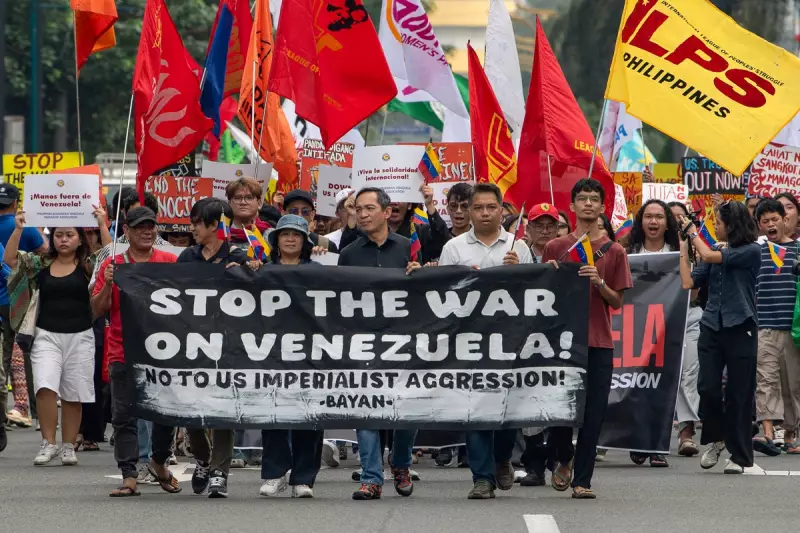
The military incursion and seizure of President Maduro have sparked immediate international concern. Key questions are being raised about the legality of capturing a foreign head of state on sovereign soil, with many nations viewing the act as a blatant violation of international norms.
The matter is now so pressing that it has been placed on the agenda of the United Nations Security Council for an urgent discussion. The global diplomatic fallout is likely to be substantial, testing alliances and challenging the framework of international relations. The situation remains fluid, with the world watching closely for the next move from both Washington and the embattled government in Caracas.