White House Aides Reportedly Blindsided by Joe Kent's Viral Resignation Over Iran War
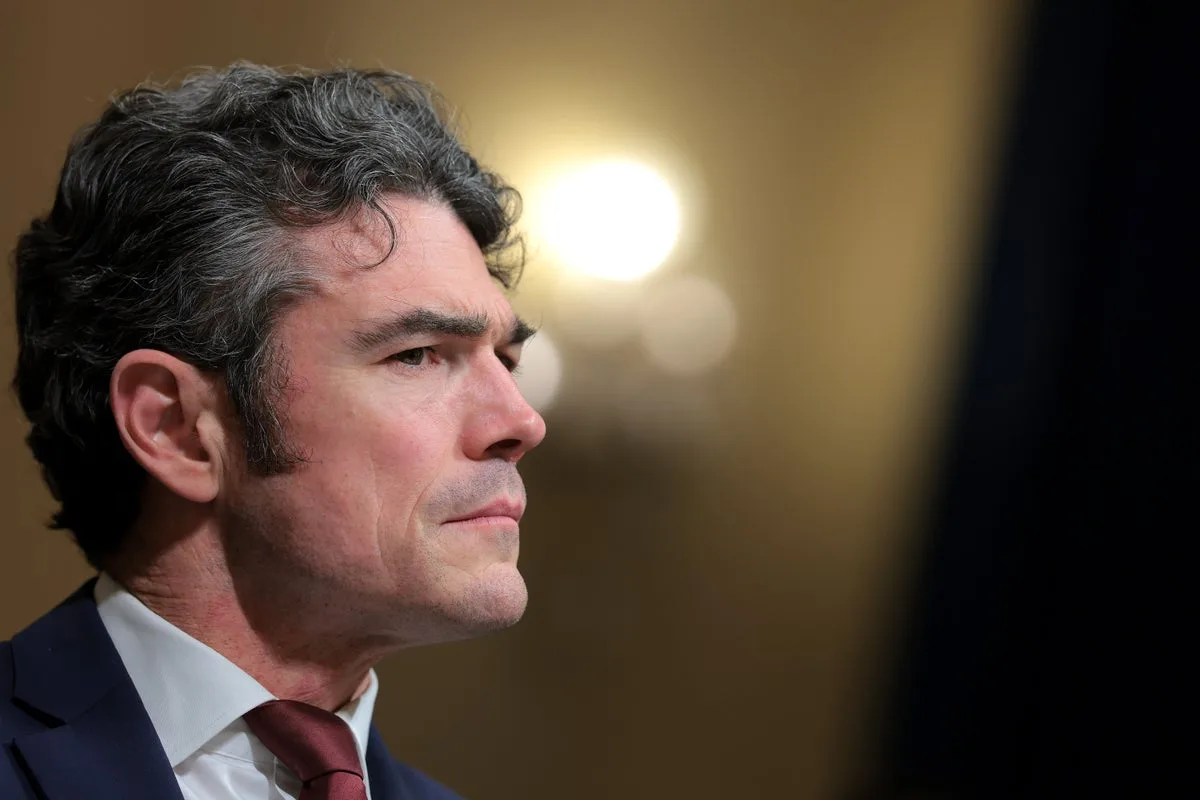
Senior Trump administration officials were caught completely off guard on Tuesday when Joe Kent, the director of the National Counterterrorism Center, publicly posted his stunning resignation letter on social media. The letter, which went viral with at least 92 million views on X by Wednesday afternoon, sent shockwaves through MAGA circles and the broader political landscape.
Kent's Unexpected Public Declaration
Kent, a former loyalist to President Donald Trump, had privately informed White House Chief of Staff Susie Wiles and Vice President JD Vance on Monday evening that he intended to step down from his position. His resignation was based on fundamental objections to the justification for going to war with Iran. However, according to a senior administration official who spoke to the Wall Street Journal, White House aides did not anticipate that Kent would publicly post his resignation on official government letterhead for the world to see.
The Independent has reached out to the White House for comment on this developing situation. In his scathing resignation letter, Kent accused President Trump of launching the military campaign against Iran based on what he called "misinformation" disseminated by Israeli officials and influential members of the American media.
Explosive Allegations and Viral Impact
"Iran posed no imminent threat to our nation, and it is clear that we started this war due to pressure from Israel and its powerful American lobby," Kent wrote in his resignation letter. This direct challenge to the administration's justification for military action came at a particularly sensitive time, as Trump attempts to rally public support for ongoing strikes against Iran.
The president and members of his administration have stated that the goals of the 4-6 week-long operation are to decimate Iran's Navy and prevent the country from building a nuclear weapon. However, public support for the war remains low, and Trump officials have provided varying justifications for the attacks, creating confusion about the true motivations behind the military campaign.
White House Response and Damage Control
Following the public release of Kent's resignation letter, White House aides reportedly scrambled to craft a message that would downplay Kent's importance within the administration while simultaneously criticizing his position on Trump's military campaign. This damage control effort highlights the significant embarrassment and disruption caused by Kent's very public departure.
President Trump told reporters on Tuesday that he "always thought [Kent] was a nice guy" but added that "he was weak on security." This characterization represents the administration's attempt to diminish Kent's credibility while acknowledging his previous service.
Official Rebuttals and Ongoing Tensions
White House Press Secretary Karoline Leavitt strongly disputed Kent's allegations, stating that he was making "the same false claim that Democrats and some in the liberal media have been repeating over and over." She reiterated that the United States had "compelling evidence" compiled from "many sources and factors" indicating Iran was preparing to attack the U.S.
Leavitt further emphasized that Iran was "aggressively expanding" its short-range ballistic missiles and intended to develop a nuclear weapon. In a post on X, she declared: "The absurd allegation that President Trump made this decision based on the influence of others, even foreign countries, is both insulting and laughable. President Trump has been remarkably consistent and has said for DECADES that Iran can NEVER possess a nuclear weapon."
Background Tensions and Professional Isolation
According to additional reporting from the Wall Street Journal, White House officials had previously expressed their dislike of Kent to his superior, Director of National Intelligence Tulsi Gabbard. While Gabbard was not asked to fire Kent, officials had allegedly sidelined him from the team that briefs the president on intelligence matters, effectively isolating him from critical decision-making processes.
As the director of the National Counterterrorism Center, Kent held significant responsibility for overseeing the team that reviews both domestic and foreign intelligence to assess terrorist threats and develop counter-terrorism plans. His departure under such contentious circumstances raises serious questions about intelligence assessment processes and internal administration dynamics regarding the Iran conflict.
The viral nature of Kent's resignation letter, combined with its explosive allegations about the motivations behind the Iran war, has created a significant public relations challenge for the Trump administration at a critical moment in foreign policy. The episode reveals deep divisions within national security circles about the justification for military action and highlights the growing tensions between career intelligence professionals and political leadership.