A landmark legal battle seeking justice for Myanmar's Rohingya Muslim minority has commenced at the World Court, offering new hope for accountability nearly a decade after a brutal military crackdown. The International Court of Justice (ICJ) in The Hague is hearing a case that could set powerful precedents for future genocide rulings worldwide.
A Decade-Long Pursuit of Accountability
This week, the small West African nation of The Gambia will outline its case against Myanmar, accusing the state of violating the Genocide Convention during the 2017 crisis. Myanmar, which has consistently denied the charges of genocide, will present its defence from 16 January. In a significant procedural move, the court has allocated three days for witness testimonies, though these sessions will be closed to the public and media.
The hearings, scheduled to run from 12 to 29 January 2026, represent the first time the ICJ has examined a genocide case in over a decade. The outcome is being closely watched, as it may influence other international cases, including South Africa's recent proceedings against Israel concerning Gaza.
The Roots of the Rohingya Crisis
The Rohingya are a predominantly Sufi Muslim minority from Myanmar's Rakhine State, who have faced decades of systemic persecution. Numbering around one million in Myanmar before 2017, they are denied citizenship and deemed illegal immigrants by the state, rendering them stateless. Their lives are bound by severe restrictions on marriage, movement, employment, and religious practice.
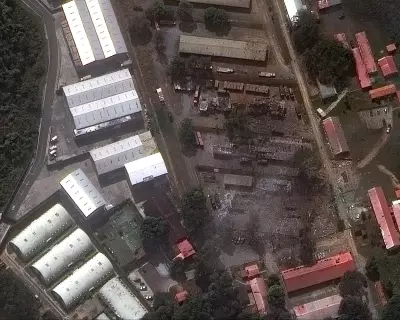
Tensions erupted catastrophically in August 2017 after attacks by the Arakan Rohingya Salvation Army (ARSA) on police posts. The Myanmar military's retaliatory "clearance operations" were described by a UN fact-finding mission as having "genocidal intent." Nearly 750,000 Rohingya fled to Bangladesh as security forces were accused of burning villages, mass killings, and widespread sexual violence.
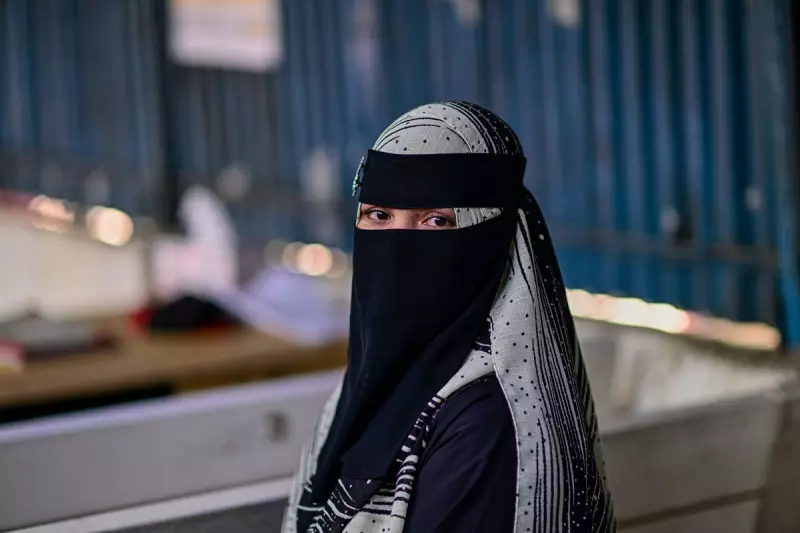
"Seeing Gambia's landmark case against Myanmar finally enter the merits phase delivers renewed hope to Rohingya that our decades-long suffering may finally end," said Wai Wai Nu, founder of the Women's Peace Network.
Legal Arguments and Broader Implications
The Gambia filed the case in November 2019, seeking a legal determination of Myanmar's state responsibility for genocide, rather than prosecuting individuals. A coalition of intervening states, including the UK, Canada, France, and Germany, have argued that the legal definition of genocide should extend beyond mass killing.
In written submissions, they urged the court to consider forced displacement, crimes against children, and targeted sexual and gender-based violence as evidence of genocidal intent. "In Myanmar, targeted sexual and reproductive violence inflicted on Rohingya women and girls was designed to break families, threaten futures, and eliminate the possibility of survival as a group," stated Elise Keppler of the Global Justice Center.
Despite the 2017 exodus, the plight of the Rohingya continues. Violence flared again in late 2023, and cuts to international aid in 2025 correlated with a 27% rise in acute malnutrition in refugee camps. For the survivors, this ICJ case represents a pivotal moment in a long struggle for recognition, justice, and the restoration of their fundamental rights.