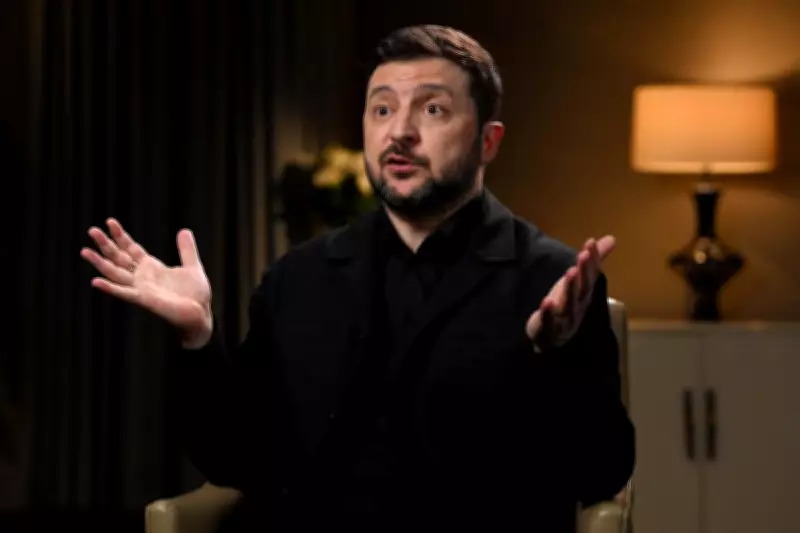
Ukrainian President Volodymyr Zelensky has voiced a profound sense of foreboding regarding the ongoing war in the Middle East and its detrimental impact on efforts to resolve the conflict in his own country. In a candid interview with the BBC's Sunday With Laura Kuenssberg programme, Zelensky articulated his "very bad feeling" about how the Iran war is shifting international attention and resources away from Ukraine.
Diverted Focus and Diplomatic Delays
Zelensky emphasised that the United States is now concentrating more on the Middle East than on Ukraine, a development he described as unfortunate. This shift in focus has led to the constant postponement of crucial diplomatic and trilateral meetings aimed at supporting Ukraine. The president pointedly identified the war in Iran as the sole reason for these delays, underscoring how global crises can intersect and complicate foreign policy priorities.
Strains in the Special Relationship
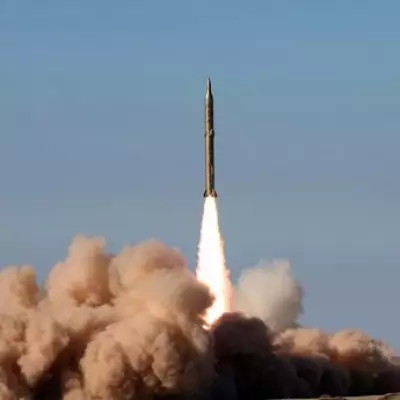
The Ukrainian leader also addressed the visible strain in the special relationship between the United Kingdom and the United States amid the Iran conflict. Recent tensions were highlighted by US President Donald Trump's criticism that the UK "should have acted a lot faster" in allowing American use of British bases to strike Iranian missile sites. Trump has previously berated UK Prime Minister Sir Keir Starmer's leadership, even launching personal attacks comparing him unfavourably to Winston Churchill.

Despite these frictions, Zelensky expressed confidence in the resilience of the UK-US alliance. He described Starmer as a "smart and very good partner" and suggested that the two leaders could meet to "reload" their relationship. "Your history is stronger than the emotions of two or three people," Zelensky asserted, highlighting his belief that the foundational bonds between the nations would ultimately prevail over temporary diplomatic spats.
Putin's Strategic Calculations
Zelensky provided a stark analysis of how Russian President Vladimir Putin stands to benefit from a prolonged conflict in the Middle East. He stated unequivocally that "Putin will want a long war" in Iran, as it serves to weaken Ukraine through multiple channels. The depletion of US military reserves and air defence manufacturing capacity directly impacts the resources available for Ukraine's defence. Additionally, higher global oil prices resulting from Middle East instability provide economic advantages to Russia.
"For Putin, a long war in Iran is a plus," Zelensky explained. "It means the depletion of US reserves and the depletion of air defence manufacturers, so we have a depletion of resources." This strategic diversion allows Russia to continue its aggression in Ukraine while the international community's attention and military supplies are divided.
NATO Unity and Security Concerns
When questioned about whether Trump's actions have made the world more dangerous, Zelensky focused on the importance of NATO unity. "I believe that any split in NATO will weaken both sides," he stated, expressing his desire for Trump to meet with Starmer and other key allies to establish a common position. Zelensky emphasised Ukraine's aspiration to align with a strong NATO where mutual respect and collective defence are paramount.
The president also raised practical concerns about military support, noting that there will "definitely be a deficit" of Patriot missiles available to assist Ukraine if needed. This shortage presents "another challenge" for a nation already grappling with resource constraints amid ongoing hostilities.
Broader Implications for Global Stability
Zelensky's comments reveal the interconnected nature of contemporary global conflicts, where wars in one region can have cascading effects on security dynamics worldwide. The diversion of American focus to the Middle East, combined with tensions between traditional allies, creates a complex geopolitical landscape that potentially benefits adversarial actors like Russia.
The Ukrainian president's assessment serves as a sobering reminder of how prolonged conflicts can drain international resources and test diplomatic relationships. His call for strengthened NATO unity and continued support for Ukraine underscores the ongoing challenges facing Western alliances in an era of multiple simultaneous crises.