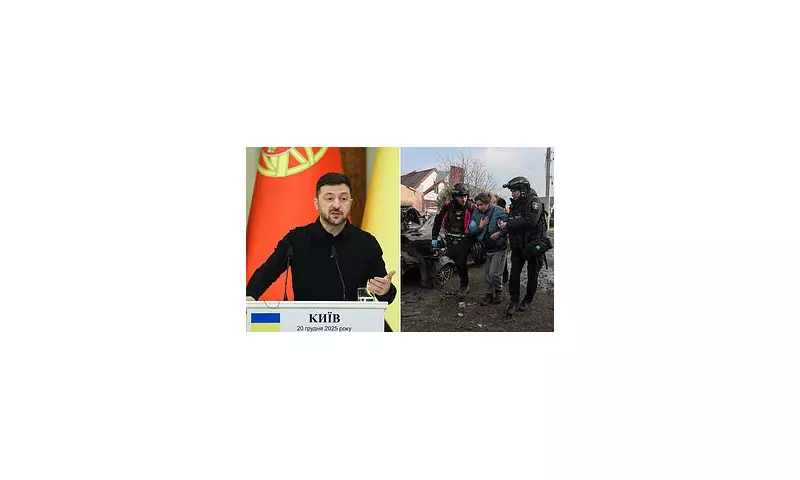
Ukrainian President Volodymyr Zelensky has put forward a significant new proposal aimed at ending the war with Russia, centred on the creation of a demilitarised zone along the eastern front line. The plan emerged following extensive negotiations with US officials in Florida.
The Framework for a Truce
Mr Zelensky stated that Kyiv and Washington have forged a consensus on most elements within a proposed 20-point peace plan. This framework seeks to balance security assurances with economic measures designed to bring stability to contested regions. However, he acknowledged that major disagreements persist over two critical issues: the future status of Ukraine's eastern territories and the Russian-occupied Zaporizhzhia Nuclear Power Plant.
The draft agreement, which reflects Ukraine's official position, has been presented to Russian negotiators. Moscow is anticipated to deliver its response on Wednesday.
The Sticking Point: The Future of Donbas
At the heart of the discussions lies the fate of the Donbas, the industrial region comprising Donetsk and Luhansk. Russian forces currently control most of Luhansk and approximately 70 per cent of Donetsk. Moscow continues to demand that Ukraine cede the remaining territory, a stance Kyiv has firmly rejected.
Zelensky described this as "the most difficult point" in the talks, noting it would ultimately require resolution at the level of national leaders. He explained the current dynamic: "The Russians want us to leave the Donetsk region, and the Americans are trying to find a way so that it is 'not a way out'... they want to find a demilitarised zone or a free economic zone."
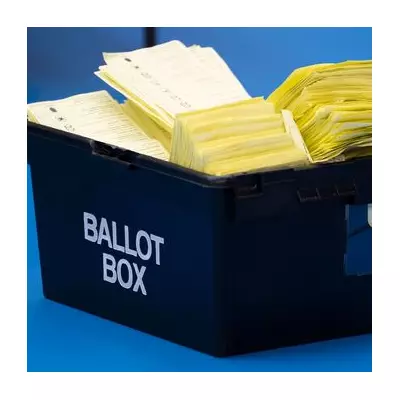
Under the proposals, sections of the eastern front could be transformed into either demilitarised zones (DMZs) or free economic zones, with international forces deployed to guarantee security. Ukraine insists it would only accept such arrangements if ratified by a nationwide referendum.
Kyiv demands that any DMZ be monitored by an international force to prevent the re-entry of Russian troops or covert units. "Since there is no faith in the Russians... international forces should be there to guarantee that no one will enter there under any guise," Zelensky emphasised.
Nuclear Plant and Withdrawal Demands
A second major unresolved issue is the management of the Zaporizhzhia Nuclear Power Plant, Europe's largest, which Russia seized early in the invasion. The US has suggested a consortium with equal stakes for Ukraine and Russia. Kyiv, however, favours a joint venture with the United States, where Americans would control the distribution of their share.
The draft agreement also calls for Russian forces to withdraw from Ukraine's Dnipropetrovsk, Mykolaiv, Sumy, and Kharkiv regions. International forces would then be stationed along the contact line to oversee compliance. Furthermore, Ukraine has proposed turning the occupied city of Enerhodar, linked to the nuclear plant, into a demilitarised free economic zone.
The plan proposes freezing the current front line across five regions once a deal is signed. Ukraine states that hostilities must cease for at least 60 days to allow time for a potential referendum.
Ongoing Conflict and Broader Warnings
Despite the diplomatic efforts, Russia has intensified its attacks on Ukraine in recent weeks, targeting energy infrastructure and leaving many without power in freezing temperatures. Just this week, strikes on Kyiv and other regions resulted in casualties and destruction.
In a separate incident on Monday, a senior Russian military leader was killed by a car bomb, with Russian officials investigating possible Ukrainian involvement.
These developments occur alongside stark warnings from Western intelligence. Last week, US intelligence indicated that Russian President Vladimir Putin remains intent on capturing all of Ukraine. European and NATO leaders have repeatedly cautioned that Putin could launch an attack on member states within the next five years.
President Zelensky affirmed that the final decision on any peace deal would rest with the Ukrainian people. "People can choose: this ending suits us or not," he stated, underscoring the democratic principle at the core of Ukraine's stance.