Senior Labour MPs are demanding the government impose a full ban on political donations made using cryptocurrency, citing significant risks to the integrity of UK democracy and fears of foreign interference.
Committee Chairs Sound the Alarm
The call for action comes from seven Labour MPs who chair influential parliamentary committees: Liam Byrne, Emily Thornberry, Tan Dhesi, Florence Eshalomi, Andy Slaughter, Chi Onwurah, and Matt Western. They have urged Downing Street to include the prohibition in the forthcoming elections bill.
Their central concern is that the opaque nature of digital currencies could allow foreign states to covertly influence British politics. Liam Byrne stated that political finance must be "transparent, traceable and enforceable," but that crypto donations undermine all three principles.

"Crypto can obscure the true source of funds, enable thousands of micro donations below disclosure thresholds, and expose UK politics to foreign interference," Byrne warned. He emphasised that the Electoral Commission has already flagged that current technology makes these risks exceptionally difficult to manage.
A Complex Challenge for Legislation
While government sources indicated to the Guardian last year that ministers are exploring ways to implement such a ban, the complex nature of cryptocurrency means officials believe it will not be workable in time for the upcoming elections bill. This bill, expected shortly, is set to focus on lowering the voting age to 16 and tightening loopholes in political finance.
Nevertheless, there is a growing belief within government that donations made with cryptocurrency pose a genuine risk to the electoral system, primarily because the original source of the funds can be nearly impossible to verify conclusively.
The Electoral Commission currently offers guidance on accepting crypto donations, but ministers acknowledge that any outright ban would require primary legislation from the government.
Impact on Reform UK and Campaigner Concerns
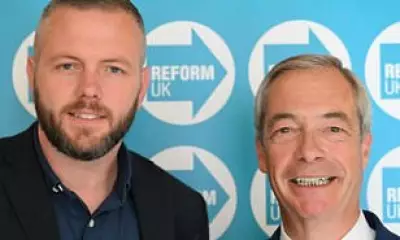
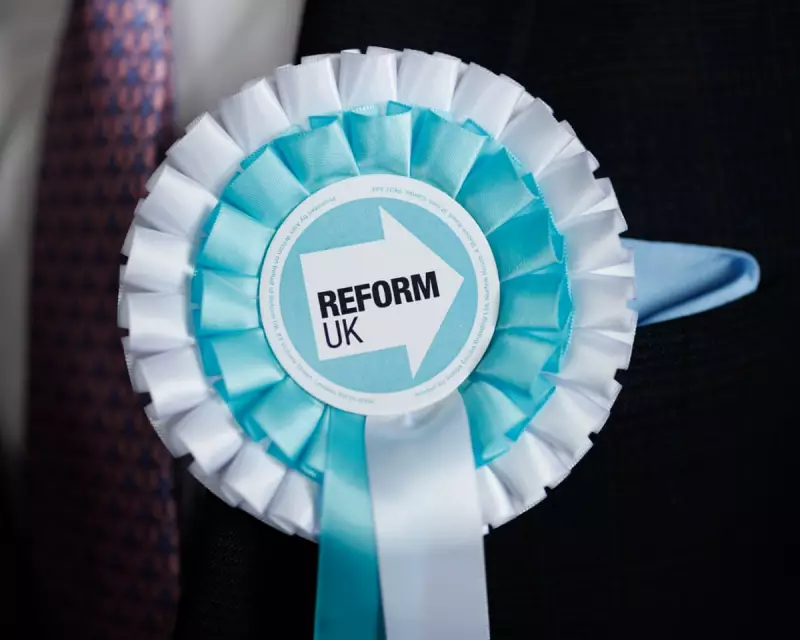
A government ban would represent a direct blow to Nigel Farage's Reform UK party, which made headlines this year by becoming the first British political party to accept contributions in digital currency. The party is believed to have received its first registrable crypto donations this autumn and has established a dedicated portal for such contributions, claiming it subjects them to "enhanced" checks.
Campaign groups have strongly endorsed the proposed ban. Susan Hawley, Executive Director of Spotlight on Corruption, welcomed the move but stressed the government must go further. She advocated for a new criminal offence to hinder foreign money entering UK politics and for ensuring police are adequately resourced for investigations.
"Crypto donations present real risks to our democracy," Hawley said. "We know that bad actors like Russia use crypto to undermine and interfere in democracies globally, while the difficulties involved in tracing the true source of transactions means that British voters may not know everyone who’s funding the parties they vote for."
The initiative was first publicly raised by Pat McFadden in July, when he served as a Cabinet Office minister. He highlighted the fundamental importance of knowing the provenance and legitimacy of all political donations.