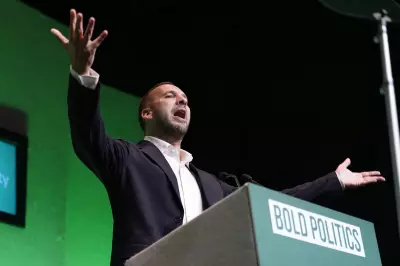
Exactly one year after suffering a devastating defeat to Donald Trump, the Democratic Party has staged a remarkable political comeback in the first major elections of his second term. The party's coast-to-coast victories have injected new life into an organisation that had been plunged into deep soul-searching following its comprehensive 2024 losses.
A Year of Democratic Soul-Searching
For twelve months, Democrats grappled with an identity crisis after losing not just the White House and Congress, but what many feared was the culture itself. The party entered Trump's second term in a state of political shock, uncertain of its direction and struggling with a brand that had become increasingly confined to coastal states and urban centres.
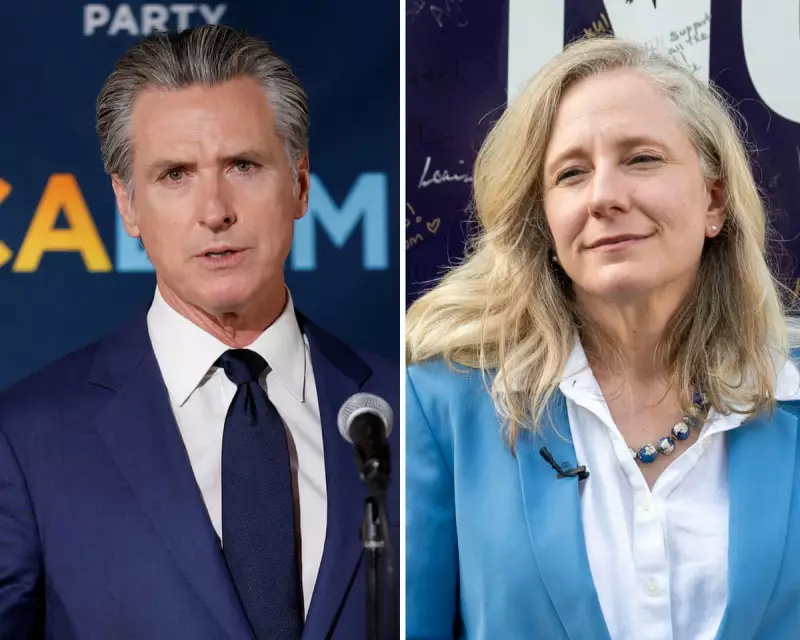
California Governor Gavin Newsom captured the renewed optimism after Tuesday's results, declaring: "What a night for the Democratic party. A party that is in its ascendancy, a party that's on its toes, no longer on its heels."
Breakthrough Victories Across America
The election night produced several historic wins for Democrats. In Virginia, Congresswoman and former CIA officer Abigail Spanberger became the state's first female governor, defeating Republican opposition in a race that many had expected to be closely contested.
Meanwhile in New York, 34-year-old democratic socialist Zohran Mamdani made history by becoming the city's first Muslim mayor, defeating former three-term Democratic governor Andrew Cuomo in an election that saw the highest turnout in decades.
New Jersey witnessed another Democratic triumph as Congresswoman and former Navy pilot Mikie Sherrill turned a predicted nail-biter into a decisive victory.
New Democratic Strategy Emerges
The diverse victories highlight the party's shifting approach. Democratic National Committee chair Ken Martin emphasised the transformation: "This is not your grandfather's Democratic party. We are not going to play with one hand behind our back. We're not going to roll over. We're going to meet you, fire with fire."
Exit polling revealed that Democratic candidates not only maintained their traditional base but successfully attracted Trump voters while re-engaging young men and Latino voters who had defected in the 2024 presidential election.
The party's success appears rooted in a more combative approach, as evidenced by Senate Democrats refusing to support reopening the government - now experiencing the longest federal shutdown in US history - unless Republicans extend healthcare subsidies.
Looking Toward 2026 and Beyond
Despite the celebratory mood, significant challenges remain. The party faces internal divisions over ideology, tactics, and leadership style. Several established House Democrats confront contentious primary challenges driven by generational impatience and demands for more aggressive opposition to Trump.
Veteran strategist Rebecca Katz, whose firm worked on Mamdani's campaign, observed: "Playing it safe is the riskiest thing Democrats could do right now."
Former President Barack Obama, while celebrating the progressive resurgence, cautioned against imposing ideological "litmus tests" and noted that both Spanberger and Mamdani represent different but complementary visions for the party's future.
As Democrats look toward the 2026 midterms and the 2028 presidential race, the party must navigate between progressive populism and pragmatic centrism while developing a positive vision that extends beyond mere opposition to Trump.