In a strategic shift, the Democratic Party in the United States is placing the issue of affordability at the heart of its campaign to loosen Donald Trump's hold on voters ahead of the November midterm elections.
A Calculated Pivot on Pocketbook Issues
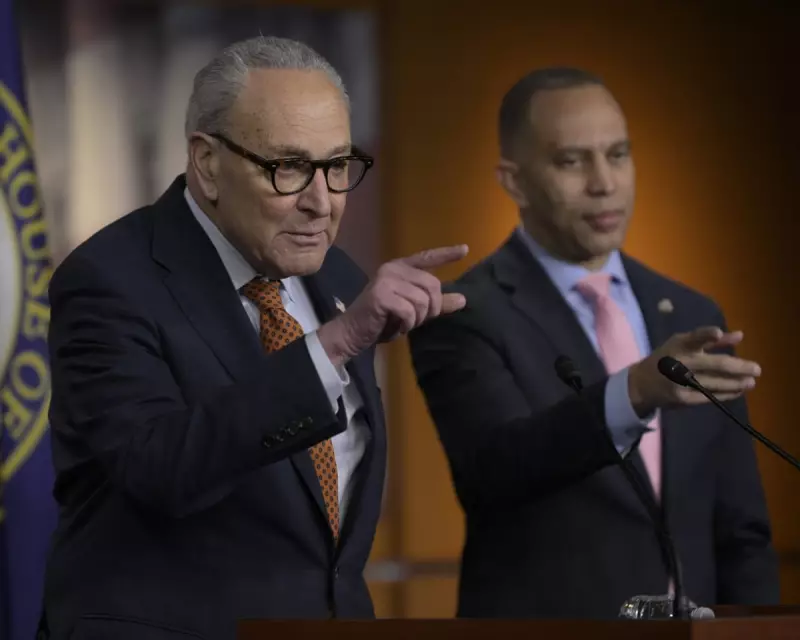
The party, which spent much of President Joe Biden's single term grappling with a historic wave of pandemic-fuelled inflation, is now aggressively turning the tables. Senate Minority Leader Chuck Schumer and House Minority Leader Hakeem Jeffries have made the high cost of living a staple of their rhetoric, framing it as a direct consequence of Republican priorities.
"Democrats in the House and Senate are focusing on lowering your costs, dealing with affordability," Schumer asserted at a press conference this week. He contrasted this with Republicans, whom he accused of being focused on "military adventurism overseas." This line of attack represents a deliberate effort to reframe the economic narrative that has dogged the party since prices soared above 9% in mid-2022.

Exploiting a Republican 'Achilles Heel'
Political analysts suggest the Democrats' focus is well-timed. Marc Hetherington, a political science professor at the University of North Carolina at Chapel Hill, identified it as a clear vulnerability for the GOP. "Republicans did say, 'hey, look, you put us in charge, and we're going to make this better, and prices are going to go down.' And, of course, they haven't," Hetherington stated. "That's an Achilles heel, and Democrats are well-served to take advantage of it."
Signs of Republican unease were evident when 17 House Republicans broke ranks to join Democrats in passing a three-year reinstatement of premium tax credits for Affordable Care Act (ACA) health plans. This move circumvented Republican House Speaker Mike Johnson, who had opposed bringing such legislation to a vote. Democratic leader Hakeem Jeffries hailed the passage as proof the party's strategy is working, governing "as if we're in the majority" to address the affordability crisis.
The Persistent Economic Reality for Voters
Despite inflation cooling from its peak, economic anxiety persists. The latest Consumer Price Index data shows prices rose at an annual rate of 2.7% in November, still above the Federal Reserve's target. Public approval of Trump's handling of the economy has dropped to just 36%, according to a December NPR/PBS News/Marist poll—the lowest level since the survey began asking the question.
Outside groups are amplifying the Democratic message. Leor Tal, campaign director for Unrig Our Economy, revealed the non-profit spent $10 million last year urging constituents to pressure Republican lawmakers over rising costs. "One vote won't undo all they've done to make life more expensive," Tal noted, "but it's safe to say they have heard their constituents' complaints."
Republicans, meanwhile, are banking on their political fortunes improving during the upcoming tax season, promoting policies passed last summer as the "Working Families Tax Cut." They continue to attempt shifting voter focus to other issues, such as foreign policy actions. However, as Professor Hetherington concludes, the potency of the affordability message is clear: "It doesn't seem to be getting old."