Farage Raises Alarm Over Democratic Process in Gorton and Denton By-Election
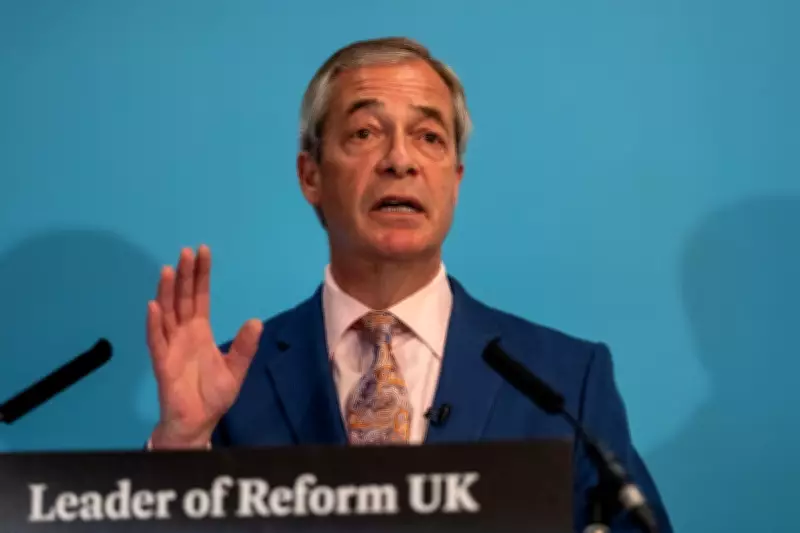
Nigel Farage, the leader of Reform UK, has publicly questioned the integrity of the democratic process in predominantly Muslim areas following the Gorton and Denton by-election. This comes after reports surfaced of high levels of family voting, an illegal practice where voters collude or direct each other on how to cast their ballots.
Election Observers Report Concerning Findings
The election observer group Democracy Volunteers documented concerningly high levels of family voting during the by-election. They stated that this was the highest incidence they had witnessed in over a decade of monitoring UK elections. Specifically, the group observed family voting in 15 out of 22 polling stations visited in Gorton and Denton, which represents approximately 68 per cent of the stations monitored.
Out of the 545 voters observed, Democracy Volunteers noted that 12 per cent were involved in family voting. This figure is significantly higher than the 1 per cent observed in a recent Runcorn and Helsby by-election, highlighting a stark contrast in electoral conduct.

Implications for the By-Election
The by-election in Gorton and Denton was a pivotal three-way battle between Labour, the Greens, and Reform UK, with polls now closed. Farage's concerns add a layer of controversy to the results, as the allegations of widespread family voting could undermine public trust in the outcome. The practice not only violates electoral laws but also raises questions about fairness and transparency in the voting process.
Democracy Volunteers have emphasized that such high levels of family voting are unprecedented in their experience, suggesting potential systemic issues in these areas. The group's reports have sparked a broader debate about electoral integrity and the need for stricter enforcement of voting regulations to prevent similar occurrences in future elections.