Gorton & Denton By-Election Exposes Stark Social Divides in Britain
The Gorton & Denton constituency, at the heart of a critical by-election battle, serves as a powerful microcosm of the broader social and political divides currently shaping Britain. This seat, which Labour secured comfortably during Keir Starmer's landslide national victory in 2024, is now under intense scrutiny as the government's declining popularity reshapes local electoral dynamics. Located southeast of Manchester's city centre, the constituency has notably lagged behind the rest of the city in terms of wealth improvement and economic progress, highlighting persistent regional inequalities.
A Constituency Sharply Split on Ethnicity and Religion
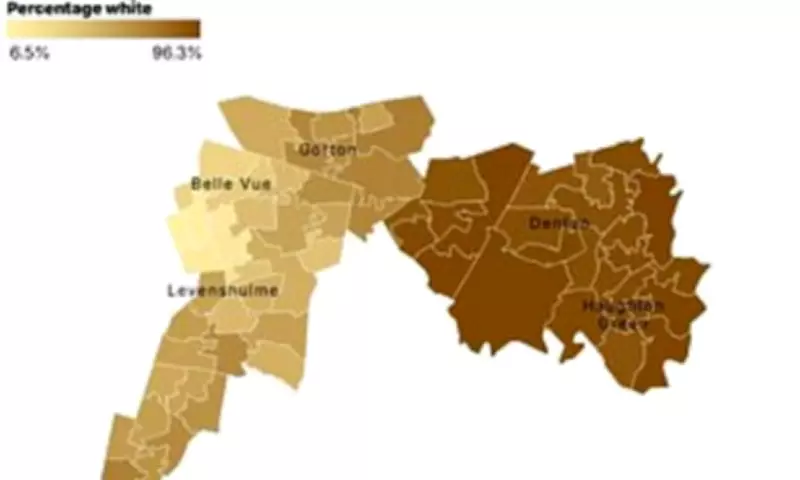
Social and demographic data reveals a constituency sharply divided along lines of ethnicity, religion, and deprivation. A recent analysis by political scientist Professor Rob Ford underscores the dramatic contrasts between the western and eastern parts of Gorton & Denton. In the west, the four wards closest to Manchester city centre feature significant Muslim populations, accounting for approximately 40 percent of residents. Additionally, about 42 percent of individuals in these areas are either university graduates or current students, indicating higher educational attainment.
These western wards, with around 55,000 registered electors as of the 2024 council elections, represent a demographic that the Green Party is actively targeting. Despite the Greens' historically weak performance in this seat, they are intensively courting voters here, capitalising on strong sentiments regarding the Gaza conflict. The party has openly accused Labour of betraying Palestinian interests, aiming to sway left-leaning supporters.

Eastern Suburbs Present a Different Political Landscape
In stark contrast, the three eastern wards, deeper into the suburbs, present a dramatically different profile. According to Professor Ford's research, these areas are on average 83 percent white, 86 percent UK-born, and 30 percent employed in routine or semi-routine jobs. With only about 26,000 registered electors, these wards appear to be fertile ground for Reform UK, which has campaigned vigorously on issues of immigration and national identity.
This uneven demographic match-up means that Reform UK's path to victory likely depends on Labour and the Green Party splitting left-wing support in the more populous western wards. The constituency's lagging wealth improvements compared to Manchester as a whole further exacerbate these divisions, creating a complex political battlefield where local concerns mirror national debates over inequality and representation.
The by-election in Gorton & Denton thus not only determines local representation but also encapsulates wider anxieties about Britain's social fabric. As parties navigate these sharp splits, the outcome will offer insights into how demographic and economic divides are reshaping political allegiances across the country.