Green Party Secures Historic By-Election Victory in Manchester
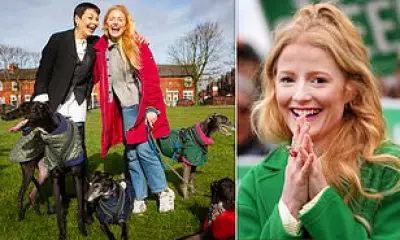
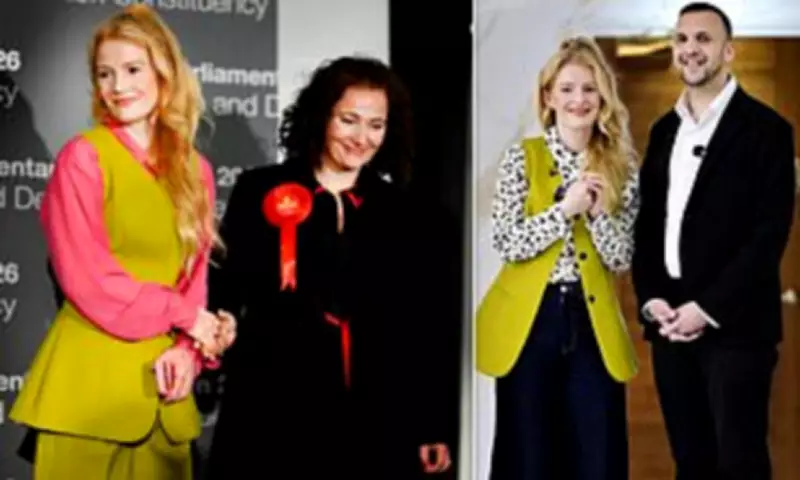
In a moment that echoed the aspirational rhetoric of Margaret Thatcher, albeit with a distinct Mancunian accent, Hannah Spencer stood poised at the lectern. "I work hard. That is what we do," declared the earnest blonde figure. "Because working hard used to get you something. It got you a house, a nice life, holidays. It got you somewhere. But now, working hard, what does that get you?" This speech, delivered in the early hours at the Manchester Convention Centre, marked her victory as the Green Party's first-ever by-election MP for Gorton and Denton.
A Plumber Turned Parliamentarian
Within seconds, Spencer reminded the audience of her background as a self-employed plumber who recently qualified as a plasterer. She will bring a unique perspective to Westminster, arriving with overalls, tools, and a genuine trade. The atmosphere at the count was oddly sterile for such a momentous result, with Labour thumped into third place in one of its ten safest seats and the Tories losing their deposit in their worst by-election performance in memory.
Candidates were limited to just half a dozen tickets each, with the only noise coming from supporters of the Loony candidate, Shaun 'Sir Oink-a-Lot' Jones, who celebrated beating "the communists" by a six-to-one margin. The returning officer had banned alcohol, but one Loony member smuggled drinks under a stovepipe hat.
From Thatcher to Corbyn: A Shifting Message
As Spencer spoke, her tone shifted from plucky plumber to pained victim, morphing from a Thatcher tribute act into a beardless Jeremy Corbyn. She warned that the public is being "bled dry" by billionaires and is "sick of being let down and looked down on." "We are sick of our hard work making other people rich," she continued, highlighting issues like litter, fly-tipping, and dirty air—a fleeting nod to her party's environmental roots.
However, the Greens largely avoided traditional eco-policies during the campaign. In a constituency crowded with cars, preaching against fossil fuels held little appeal. Instead, they focused on economic struggles and pursued the Muslim block vote, which constitutes 30% of the electorate. One leaflet began with "Assalamu alaikum" and criticized Keir Starmer's stance on Gaza, while other materials in Urdu and Bangla featured images of Starmer and David Lammy meeting leaders of India and Israel.
Controversy and Accusations
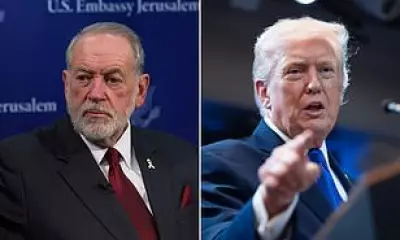
When asked about the underlying message of these tactics, Spencer deflected, saying she had been "out on the streets every day." Across the room, Reform candidate Matt Goodwin simmered with anger, accusing the Greens and their leader, whom he called "Mad Zack," of sectarianism and playing the Islamic card. He pointed to reports of increased "family voting"—men escorting women into polling booths—as key to the Green victory. "The reason the Greens have won here, let's be honest, is exactly what that report was warning about," Goodwin stated.
A Media Showcase and Polarised Reactions
Five hours later, the Greens reconvened in a glittering Asian wedding hall in Gorton for a media event. Spencer walked up the aisle with party leader Zack Polanski, eliciting applause from supporters. She expressed pride in running a positive campaign against Reform, which she said dances to billionaire donors, and Labour, which stooped low. "I have been surprised by some of the divisive, dog-whistling campaigning from other parties," she claimed, despite her own campaign's targeted leaflets.
Spencer channelled an inner Mandela, declaring that voters had rejected hate and embraced hope, while also condemning Labour's "complicity in genocide" in Gaza. Questions were limited to broadcasters and select outlets, with no opportunity for broader scrutiny, such as on how her trade colleagues would cope with Green open-borders policies.
After half an hour, spin doctors ushered her away in an Audi A5, highlighting how environmental issues took a backseat. Polanski unpromptedly listed party goals: lowering bills, protecting the NHS, and rebuilding public services.
Community Sentiment and Future Implications
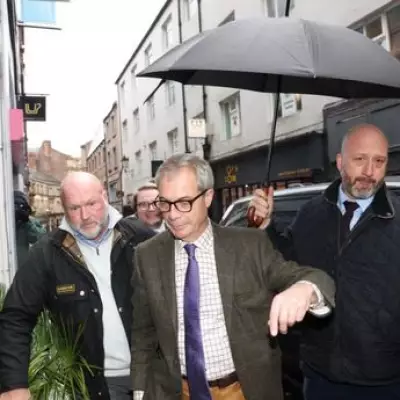
Across the constituency, polarisation persisted. In Levenshulme, Green supporters like Takeer, manager of Jabeenz bridalwear, expressed elation. Labour loyalists, such as software engineer Alan, 34, voiced frustration that Manchester Mayor Andy Burnham was barred from standing. Reform supporters shrugged, believing momentum still rests with Nigel Farage. A drinker at the Union pub lamented, "The whole country is utterly f***** and no one else is going to solve it."
Former Lib Dem councillor John Commons offered an objective analysis, noting Reform's failure but predicting success in local elections. He deplored the Greens' cynical blend of progressive student activism and religious politics but acknowledged it might work again. His conclusion: "Starmer is completely finished."
Later, Spencer conducted a regal walkabout on Stockport Road, revealing she started her plumbing business with help from the Prince's Trust. When asked if she is a Green royalist in a republican party, she replied, "I don't think so," and suggested a monarchy referendum before a minder intervened.
A Tectonic Shift in Politics
In Gorton and Denton, old certainties are cracking. While the Greens' radical views on defence, open borders, and drugs may not survive a general election, as Corbyn learned in 2019, a tectonic plate has shifted. With local elections approaching in May, this by-election signals a portentous change in British politics, where traditional party loyalties are being upended by grassroots campaigns and targeted messaging.