Green Party Membership Triples to 215,000, Driving Internal Evolution
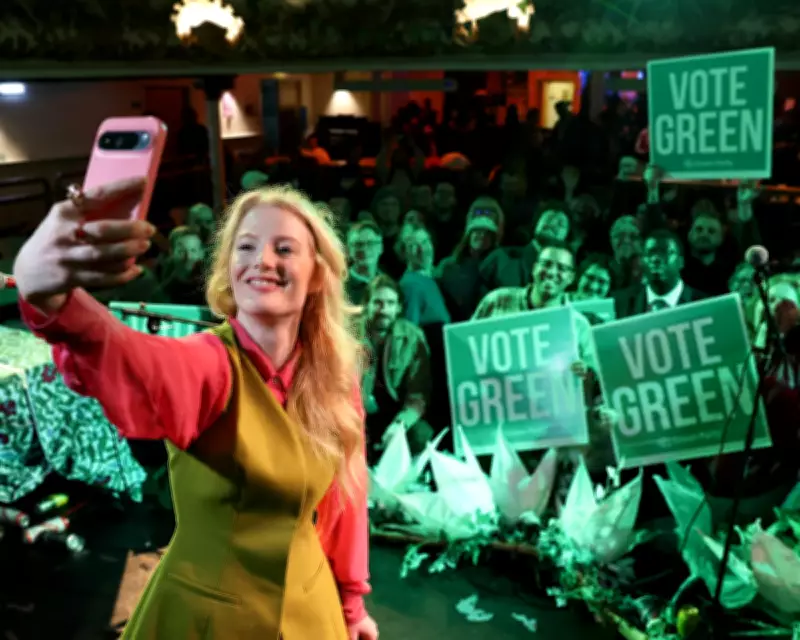
The Green Party in England and Wales is experiencing an unprecedented surge in membership, with numbers skyrocketing from approximately 66,000 to 215,000 since Zack Polanski assumed leadership last September. This dramatic increase, described by activists as a series of "constantly good problems to have," is reshaping the party's logistics, culture, and strategic direction, as highlighted by recent electoral successes like Hannah Spencer's victory in the Gorton and Denton byelection.
Logistical Challenges and Cultural Integration
With membership continuing to rise rapidly, the Greens are grappling with significant logistical hurdles. Local parties are welcoming up to 500 new members monthly, straining resources for onboarding and engagement. One senior Green noted that while adjustments are necessary, the influx brings "a lot of extra energy," with many new members previously uninvolved in politics now actively participating.
However, this growth has also introduced cultural shifts, particularly from former Labour supporters and Jeremy Corbyn allies joining the ranks. An experienced Green organiser remarked, "We are, in effect, a completely different political party," comparing the merger to the formation of the Liberal Democrats. Some new members have brought a focus on factionalism and ideological debates, leading to minor missteps, such as inappropriate use of Palestinian flags on leaflets in conservative suburbs.

Debates Over Party Identity and Takeover Concerns
Outsiders, including a Labour MP, have expressed concerns about a potential de facto takeover by new, factional members. Yet, many within the Greens remain confident, citing the party's decentralised and democratic structures as a buffer against rapid change. One organiser explained, "What entry-ism looks like for us is people attending conference and having their voices heard." The lengthy, Byzantine policy-making process, which can take up to 18 months, further complicates any swift ideological shifts.
Despite tensions, some argue that cultural evolution is beneficial. An organiser observed that the party has moved away from being a "cosy" social group focused on niche issues like nuclear policy, now becoming a "much bigger pond" where established members are challenged and invigorated by fresh perspectives.
Financial and Professional Advancements
The membership boom has also bolstered the party's finances, with the 2026 budget expected to more than double. This influx of funds is facilitating professionalisation, including hiring new media and policy officers to oversee volunteer-led groups. One official highlighted the need for proper oversight, noting that while some volunteers are experts, others can be "nightmares."
Amid these changes, core values like collegiality persist. Recent defectors from Labour have expressed surprise at the Greens' cooperative culture, with one noting, "You're all so nice to each other. Someone even brought a cake to a meeting." This enduring ethos underscores the party's adaptability while maintaining its foundational principles.