Green Party's Historic Byelection Win Signals Major Shift in British Politics
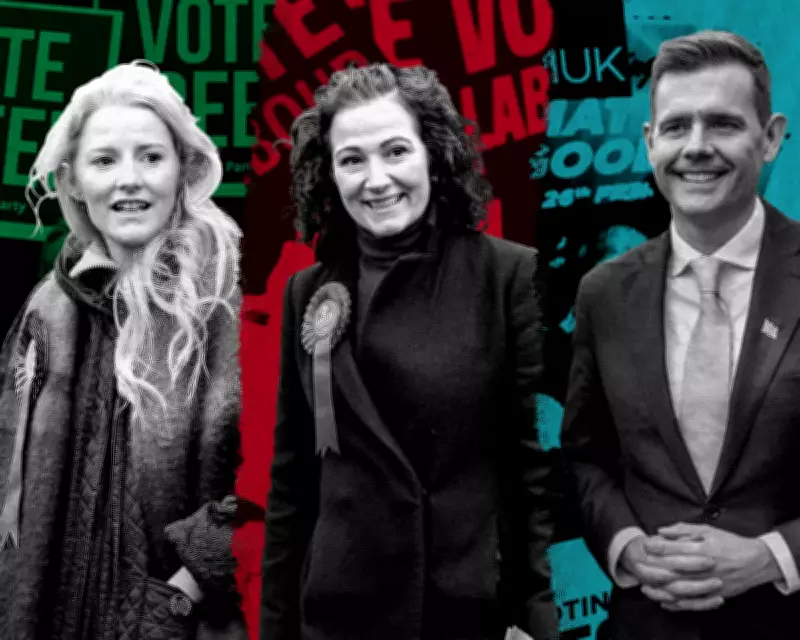
The recent byelection in Gorton and Denton delivered a seismic shock to the British political landscape, with the Green Party securing its first-ever parliamentary byelection victory. Hannah Spencer, the Green candidate, emerged triumphant, while Reform UK's Matt Goodwin placed second and Labour's Angeliki Stogia trailed in third. The Conservative Party suffered a humiliating defeat, losing their deposit entirely. This outcome has been widely interpreted as a profound rejection of the political status quo, sparking intense debate about the future direction of UK politics.
A Mighty Sigh of Relief and a Blow to Labour
Polly Toynbee, a Guardian columnist, described the result as a moment of national relief, primarily due to the emphatic rejection of Nigel Farage's Reform UK, which garnered only 29% support against a combined 67% for progressive parties. This outcome dispels fears of a split anti-Reform vote allowing Farage's party to seize the seat. However, the result also represents a significant setback for Labour, compounding Keir Starmer's ongoing troubles. Many voters expressed frustration that Starmer blocked Andy Burnham from standing, potentially costing Labour the seat. Toynbee notes that the Greens, with candidates like Hannah Spencer—a plumber and councillor known for her relatable, leftist message—may now appear as a safer anti-Reform alternative, boosting their prospects for upcoming elections.
The Green Surge Transforms into a Winning Machine
Adam Ramsay, a journalist and Green Party member, highlighted the party's remarkable growth under leader Zack Polanski, with membership soaring from 60,000 to nearly 200,000. This byelection victory proves that the Green surge is more than just online enthusiasm; it translates into tangible electoral success. Ramsay credits Polanski's willingness to embrace controversy and Spencer's charismatic campaign, but emphasizes the crucial role of thousands of activists who traveled from across the UK to support the effort. The Greens mobilized 2,000 campaigners on election day, showcasing their newfound logistical prowess and ability to convert membership growth into an effective political machine.

Voters See Through Reform's False Promises
Remi Joseph-Salisbury, a sociologist at the University of Manchester, reflected on his experiences in Denton, where Reform UK's visible presence initially raised concerns. However, the result demonstrated that most voters saw through the party's shallow, fear-based rhetoric. Joseph-Salisbury acknowledged the real grievances in communities like Denton, such as neglect, austerity, and the cost-of-living crisis, but argued that Reform's solutions—scapegoating migrants and ignoring systemic economic issues—were inadequate. Voters instead backed the Greens for their credible anti-austerity platform focused on rebuilding public services and promoting compassion, sending a clear warning to Labour about its rightward drift.
Is This Truly a Victory for Radicalism?
Henry Hill, a journalist and commentator, questioned whether the byelection represents a genuine victory for radicalism. While parties like the Greens and Reform UK offer radical-sounding messages, Hill suggests they primarily provide implausible but attractive ways for voters to retain aspects of the status quo they favor. Both parties target convenient villains—immigrants or the super-rich—without proposing hard choices for voters. Hill compares this to Keir Starmer's managerial approach, arguing that all parties engage in fantasy politics to some extent. The rise of multiparty politics, he notes, creates a prisoner's dilemma where honesty with voters becomes increasingly difficult as parties compete for defectors.
This byelection result underscores a growing fragmentation in British politics, with traditional parties losing ground to newer movements. The Greens' historic win in Gorton and Denton not only challenges Labour and the Conservatives but also sets the stage for a more dynamic and unpredictable political future, where voter disillusionment and demand for change continue to reshape the electoral landscape.