Ex-Liberal MP Jenny Ware Urges Gender Quotas for Party's Electoral Revival
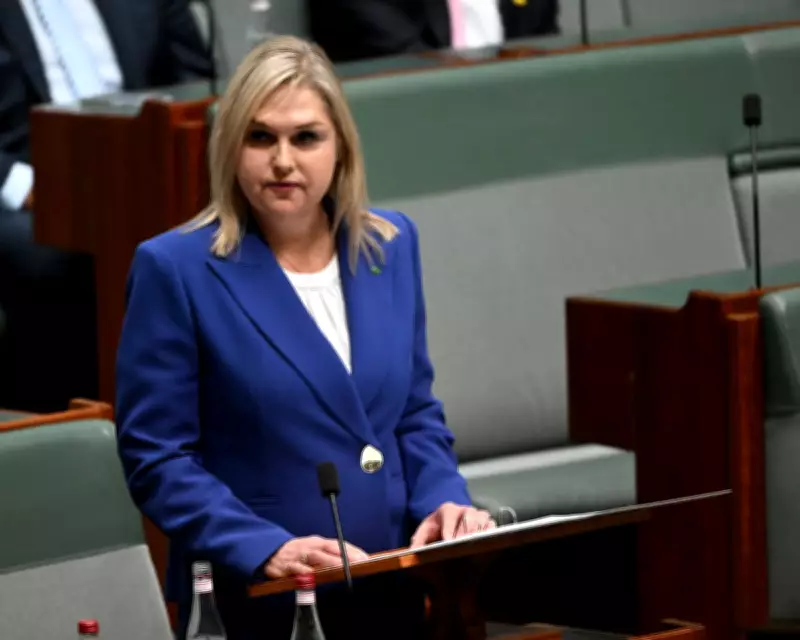
Jenny Ware, the former Liberal MP who lost her seat in the House of Representatives at the 2025 election, has issued a stark warning that her party must do more to represent all of Australia. She asserts that the Liberal Party is at a crisis point and cannot be competitive at election time unless it selects candidates who better reflect the nation's makeup.
Call for Federal Gender Quotas
Ware argues that the Liberal Party must implement gender quotas for candidates, even if only temporarily for the next two elections. She emphasizes that without such measures, the opposition cannot get back into government. The party's failure to release its own review of the electoral wipeout, which was later tabled in parliament by Prime Minister Anthony Albanese, has been described by Ware as deeply embarrassing.
The review highlighted an urgent need for change within the party. Ware criticizes some Liberal members for wasting ten months destabilizing former leader Sussan Ley instead of acting on the review's findings and formulating new policies. She stresses the critical importance of engaging more with women and multicultural communities across Australia.
Electoral Setbacks and Campaign Criticisms
Ware, first elected in 2022 with a 57-43 margin in Hughes, faced an unexpected loss in 2025. Her New South Wales seat was not on the target lists for either major party, with one Labor campaigner reportedly calling their victorious candidate David Moncrieff an accidental winner. She attributes Liberal losses in metropolitan seats like Menzies, Sturt, and Banks, as well as failures to win now-Teal seats such as Bradfield, Kooyong, and Wentworth, to the federal campaign led by Peter Dutton.
Specifically, Ware claims that the unpopular push to end work-from-home rules for public servants killed her chances in Hughes. She laments a lack of policies on aged care or childcare, which she believes could have garnered support from families and working women. Ware insists her comments are not sour grapes but a necessary call for the party to change its approach.
Stark Contrast in Parliamentary Representation
Now serving on the board of Crohn's Colitis Australia and undertaking policy work in education, with plans to launch her own legal firm, Ware recently visited Parliament House. She observed a stark difference between the Labor and Coalition benches. Currently, there are only five Liberal women in the House of Representatives out of 28 MPs, following Ley's resignation, while Labor's caucus is more than half women.
Ware describes seeing contemporary, representative Australia on the Labor side, with diversity in age demographics, multicultural backgrounds, Indigenous Australians, and religion. In contrast, she notes that the Liberal side largely consists of middle-aged Caucasian men with a sprinkling of middle-aged Caucasian women, lacking multicultural and age diversity. She asserts that the Liberal Party has never been less representative of Australians than it is now in the House of Representatives.
Hope for Future Change
As the NSW Liberal state council meets for the first time since the review became public, Ware expresses hope that the new executive will be open to considering quotas for future elections. She points out that the Labor Party has had quotas for 20 years, winning two successive elections and increasing their majority, proving the effectiveness of such measures.
Ware concludes that the Liberal Party must adopt similar strategies, warning that otherwise, they cannot return to government. She emphasizes that almost a year has been wasted on internal conflicts instead of uniting and developing policies for the 2028 election, urging a shift towards inclusivity and policy-driven engagement with the Australian public.