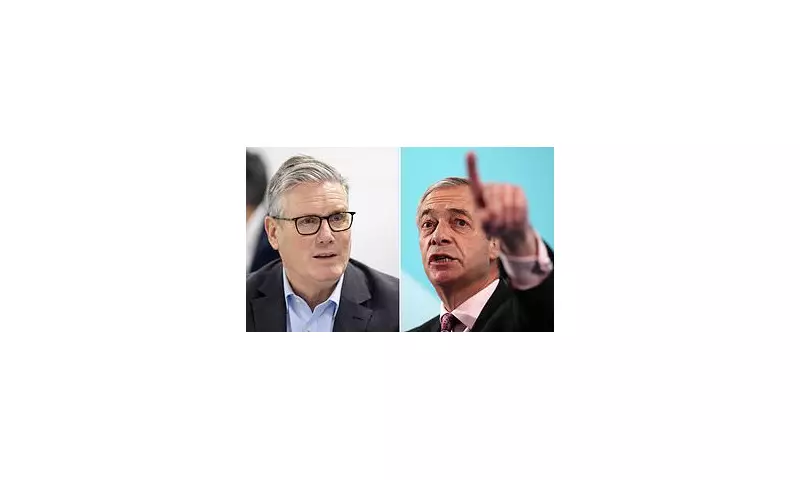
A significant postponement of local elections across England is set to allow the Labour Party to retain control of at least nine councils it was expected to lose, according to a new analysis. The decision affects ballots for millions of voters and has ignited a fierce political row.
Widespread Postponement of May Ballots
The Government is poised to grant permission for around 30 councils to delay elections scheduled for May. These authorities serve an estimated four to five million voters. The move is intended to assist a wider, ongoing reorganisation of local government structures across the country.
Ministers asked 63 councils, which are likely to be abolished in their current forms, if they wished to postpone their votes to focus on the administrative shake-up. Councils had until midnight on Thursday to decide, with officials noting a flurry of last-minute requests. All requests are expected to be approved.

Political Fallout and Accusations
The delay has provoked strong criticism, with Reform UK leader Nigel Farage branding it "the kind of outrageous behaviour you expect from a banana republic". He accused both Labour and the Conservatives of "damaging our democracy and running scared of voters".
Mr Farage is planning to launch a legal bid to overturn the decision, arguing his party was likely to gain many of the contested seats. His announcement was delayed following the defection of former Conservative minister Robert Jenrick to Reform UK.
Which Parties Benefit?
Analysis by the Financial Times indicates the postponement has major political implications. Labour is set to avoid the risk of losing nine councils, including Thurrock, Ipswich, Preston, and Chorley. Consequently, approximately 168 Labour councillors who were facing re-election will now likely serve an additional year.
The Conservatives are also set to benefit, potentially saving three councils, with around 174 Tory councillors avoiding a vote. The number of protected seats for both parties is anticipated to rise further.
In total, the Government is expected to cancel elections in at least 27 councils—more than a third of the 63 due for re-election. Around two-thirds of the councils involved are currently under Labour control.
The Rationale Behind the Delay
Labour's reorganisation plans aim to replace remaining two-tier systems of district and county councils with new 'unitary' authorities. These new bodies would be responsible for delivering all council services in their areas.
Defending the process, Prime Minister Sir Keir Starmer stated: "What is happening is the biggest reorganisation of councils for 50 years and it is only right that we ask whether it's sensible to elect people to councils that are actually going to change in their composition in a few years."
He emphasised that the decision was locally led, with some Labour, Conservative, and one Liberal Democrat council each requesting a delay. A Government spokesman cited a "clear precedent" for such postponements during reorganisations, pointing to similar actions between 2019 and 2021.
The final list of councils granted a postponement is expected to be confirmed by the Government in the coming days.