As Zohran Mamdani prepares to lead New York City, his political journey bears remarkable resemblance to another prominent mayor who has navigated similar waters across the Atlantic. London's Sadiq Khan and America's newest big-city leader share more than just their Muslim faith and leadership of global metropolises - they share some of the same formidable critics, including former US President Donald Trump.
Parallel Political Paths Under Fire
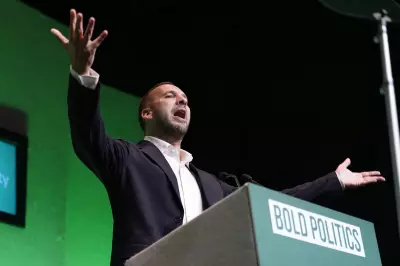
Sadiq Khan welcomed Mamdani's victory this week, telling The Associated Press during a global mayors' summit in Brazil that New Yorkers had chosen hope over fear and unity over division. The London mayor, who has held his position since 2016, expressed solidarity with the abuse Mamdani already faces, describing it as heartbreaking but unsurprising.
Both politicians have endured significant Islamophobic attacks throughout their careers. Khan's Conservative opponent in 2016, Zac Goldsmith, was accused of anti-Muslim prejudice for suggesting Khan had links to Islamic extremists. Similarly, during Mamdani's campaign, Andrew Cuomo laughed along with a radio host who suggested the mayor-elect would be cheering another 9/11 attack.
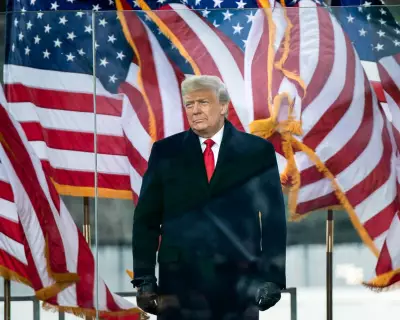
Trump has been among Khan's most vocal critics for years, calling the London mayor a stone cold loser and claiming he wants to bring Sharia law to London. Khan, an amateur boxer, has consistently hit back, stating in September that Trump is racist, sexist, misogynistic and Islamophobic.
Different Backgrounds, Shared Challenges
Despite their common experiences with prejudice, the two leaders come from markedly different backgrounds. Khan grew up in a three-bedroom public housing apartment in south London as one of eight children to a bus driver and seamstress from Pakistan. He studied law, became a human rights attorney and served as a Labour MP before becoming the first Muslim leader of a major Western capital in 2016.
Mamdani comes from a more privileged background as the son of India-born Ugandan anthropologist Mahmood Mamdani and award-winning filmmaker Mira Nair. Born in Uganda and raised in New York from age seven, he worked as an adviser for tenants facing eviction before being elected to the New York State Assembly in 2020.
Their political positioning also differs significantly. Mamdani represents the left wing of the Democratic Party as a democratic socialist whose digital-savvy campaign energized young voters and drove record turnout. Khan, at 55, sits in the broad middle of the centre-left Labour Party as more of an establishment politician.
Governing Global Cities: Lessons from London
Both men lead cities with populations exceeding eight million people, where voters share similar concerns about crime and the high cost of living. Khan has won three consecutive elections but isn't an overwhelmingly popular mayor, demonstrating how city leaders often get blamed for problems beyond their control.
According to Tony Travers, a local government specialist at the London School of Economics, one crucial lesson Mamdani might take from Khan is to pick a limited number of fights that you can win. Khan made cleaning up London's air one of his main missions, expanding the Ultra Low Emission Zone despite noisy protests and vandalism of enforcement cameras. His decisive victory in last year's mayoral election appeared to vindicate this stance.
Khan can point to achievements including free school meals for all primary school pupils and a freeze on transit fares, though he has failed to meet ambitious house-building targets. Mamdani campaigned on similarly ambitious promises including free childcare, free buses, new affordable housing and even city-run grocery stores.
Darren Reid, a US politics expert at Coventry University, cautioned that winning an election is one thing, while delivering on promises is another. The mayor of New York definitely does not have unlimited power, and he is going to have a very powerful enemy in the current president, Reid noted.
As Mamdani prepares to take office, he faces the same conundrum Khan has navigated - leading dynamic, diverse cities that are simultaneously described as dystopian hellholes by critics while being resented by the rest of their countries for their wealth and success. Both men represent what nativist, populist politicians stand against, making them natural targets in an increasingly polarized political landscape.