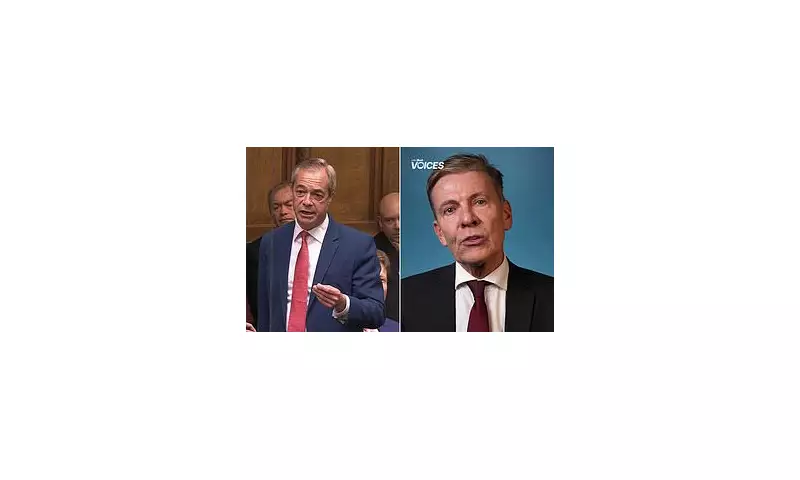
Nigel Farage has issued a furious rebuttal to claims that his Reform UK party is preparing to strike an electoral deal with the Conservatives. The move is aimed at preventing another Labour government after the next general election.
Farage's Furious Denial
In a characteristically fiery statement, the Reform UK leader dismissed suggestions of an imminent pact with Rishi Sunak's Tories. He made his position clear, expressing strong opposition to the current Labour administration led by Sir Keir Starmer.
Farage described the Labour government as "appalling" and "wretched," accusing it of taking the country "to hell in a handcart." His primary objective, he stated, is to secure a right-wing government to replace them.

The Conditional Door to Cooperation
However, despite his angry denial of an immediate arrangement, Farage did introduce a significant condition for future collaboration. He indicated that the political landscape could shift his stance.
If the Conservative Party manages to regain momentum and substantially narrow the current polling gap with Reform UK, then Farage confirmed he would have to consider some form of electoral pact. This potential shift hinges entirely on the Tories demonstrating a credible recovery in voter support.
Implications for the Next Election
This nuanced position creates a volatile scenario for British politics. Farage's outright rejection of a deal now will reassure Reform's core supporters who desire a clean break from the Conservatives. Yet, the conditional offer leaves a strategic pathway open, applying pressure on the Tories to move closer to Reform's policy platform to secure a potential alliance.
The ultimate goal, as framed by Farage, remains singular and stark: the removal of the Labour government at the forthcoming general election. Whether this is achieved through Reform UK winning outright or through a negotiated agreement with a revived Conservative Party appears to be a secondary consideration to the final outcome.
This development sets the stage for intense speculation and manoeuvring in the months leading up to the national vote, with the future of the right-wing vote in the UK hanging in the balance.