Scottish Labour Leader Makes Bold Move Against Starmer
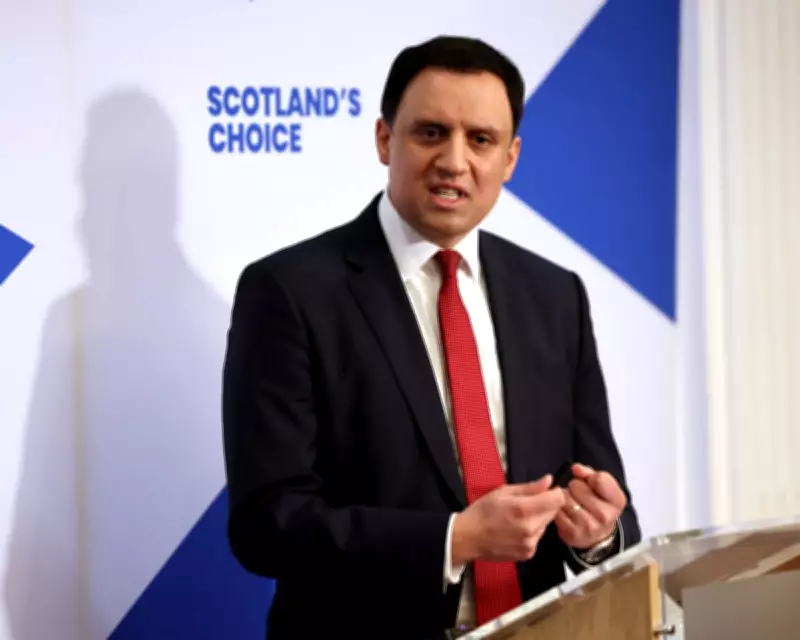
Anas Sarwar, the Scottish Labour leader, has demonstrated a ruthless political streak by becoming the most senior figure within the party to demand that Keir Starmer step down as Prime Minister. This dramatic intervention comes as Scottish Labour's polling numbers have collapsed, dropping sharply from a peak of 35.3% during the 2024 general election to a mere 18% in recent surveys. Sarwar, once a staunch ally and vocal supporter of Starmer, has now positioned himself in direct opposition, a move that has sparked significant controversy and internal criticism.
Polling Plunge and Political Calculation
Sarwar and his close advisers have been monitoring the decline in Scottish Labour's support with growing concern. This downturn has coincided with escalating disarray within the UK government, which has spiralled from chaos into a full-blown crisis. The leadership team believes that the risk of publicly calling for Starmer's resignation is justified, despite facing accusations from colleagues that the decision is "idiotic, immature and self-defeating". Their political calculation is stark and uncompromising, driven by the urgent need to revive Labour's fortunes in Scotland ahead of crucial elections in May.
Scottish Labour's leadership has been engaged in intensive crisis talks since last week, when the scandal involving Peter Mandelson's connections to Jeffrey Epstein erupted into a major controversy. Sarwar's call for Starmer to quit is laden with significant risks. If Starmer manages to cling to power leading up to the Scottish elections, or if the Labour Party descends into internal civil war, Sarwar's failure to deliver a decisive blow could be exploited by political opponents. They may portray him as weak or, even worse, as being ignored by the UK leadership.

Strategic Gambles and Electoral Realities
For Sarwar's strategy to succeed, it relies heavily on Starmer resigning promptly and with humility. The identity of Starmer's potential successor is also critical. Sarwar's allies are gambling that a leadership contest could produce candidates capable of re-engaging voters who have defected to Reform or the Green Party, thereby revitalising Labour's appeal. At the very least, they hope it will address the perceived failures of Starmer's premiership.
However, this approach is fraught with uncertainties. As Sarwar himself acknowledged, any decision regarding the future of the UK party leadership ultimately rests with the cabinet and the broader party apparatus in London. It represents a substantial risk because it provides all political opponents with an opportunity to depict Labour as a party in turmoil. They are likely to characterise Starmer as a lame duck prime minister and amplify personal attacks against Sarwar, further destabilising the party's image.
Loyalty to Scotland and Voter Perception
Sarwar's primary rationale centres on his declaration of loyalty to Scotland. He has insisted that his "first priority and first loyalty" is to Scotland, framing his demand for Starmer's resignation as an act of service in the national interest. In his statements, Sarwar emphasised, "We cannot allow the failures at the heart of Downing Street to mean the failures continue here in Scotland, because the election in May is not without consequence for the lives of Scots." He argued that voters desire politics that is open and accountable, with leaders who prioritise the national interest over personal ambition.
This messaging will be repeated extensively in interviews, campaign leaflets, and televised election debates in the coming months. Yet, it carries another considerable risk. Voters may interpret Sarwar's ruthlessness as a form of betrayal, a quality they often disdain in politicians. If the electorate already feels disillusioned with Labour, they might respond with utter indifference. There is a palpable danger that this move could be perceived as too late and excessively self-destructive, potentially alienating rather than rallying support.
The outcome of this high-stakes political manoeuvre remains uncertain, with Sarwar's future and Scottish Labour's electoral prospects hanging in the balance.