South Australian Liberals Confront Potential Collapse as Election Looms
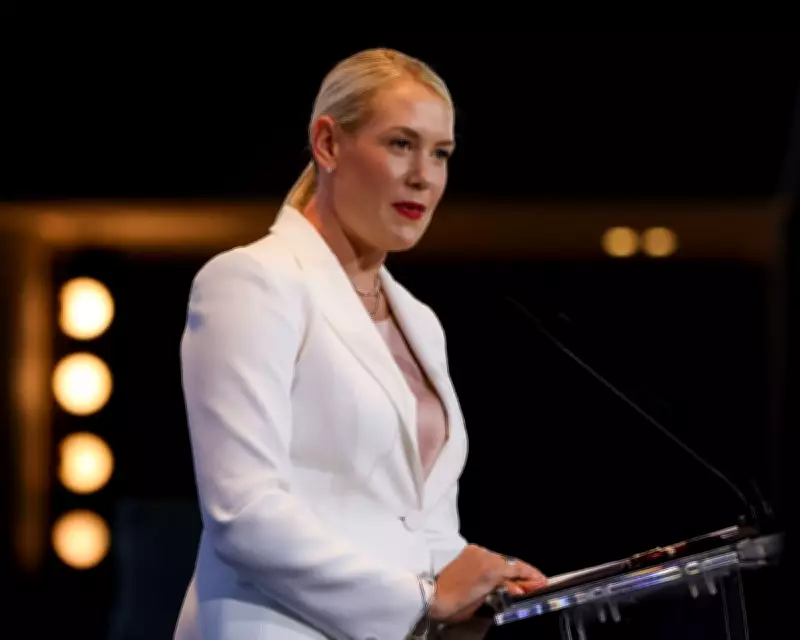
South Australia's opposition leader, Ashton Hurn, has become the Liberal party's fourth leader in just four years, symbolising the deep turmoil within the state's conservative ranks. As the party grapples with catastrophic opinion polling, insiders are openly fearing for its very existence, with the upcoming election on 21 March poised to be a defining moment.
A Dramatic Fall from Grace
The current predicament marks a stark reversal from the optimism of 2018, when Steven Marshall led the Liberals to a drought-breaking victory, ending 16 years in opposition. Marshall's triumph over Jay Weatherill's Labor government and the threat of Nick Xenophon's SA Best was celebrated with fanfare at Adelaide's Hackney hotel, to the tune of The Killers' song The Man. However, just four years later, the Marshall government was wiped out in a Labor landslide under Peter Malinauskas, and now another four years on, the party faces an even grimmer outlook.
With the primary vote polling at a mere 14%, some insiders predict the Liberals could be reduced to fewer than five of the 47 lower house seats, potentially being wiped out in metropolitan Adelaide. This would mirror the scale of the party's landslide defeat in Western Australia in 2021, raising alarms about the broader implications for Australian politics.

Factors Behind the Decline
The decline is attributed to a combination of local factors, including:
- Leadership churn and scandal, with four leaders in as many years and former leader David Speirs convicted on drugs charges.
- Internecine factional warfare, exacerbated by Alex Antic and the religious-right's takeover of the rank-and-file membership.
- The extraordinary popularity of Premier Peter Malinauskas, who has successfully courted the political centre and traditional Liberal voters.
- Being crowded out by a centrist Labor government and under siege on the right flank from Cory Bernardi-led One Nation.
This situation presents an intriguing case study: could South Australia be the canary in the coalmine for a party teetering on the brink of collapse nationwide?
Hurn's Uphill Battle
Ashton Hurn, drafted in as opposition leader roughly 100 days before polling day to replace Vincent Tarzia, is described by Liberals as "terrific" and "hard-working," but all accept she is likely to lead the party to its heaviest election defeat yet. At 35, she has drawn parallels with her brother Shannon's underdog AFL premiership win, but the political odds are stacked against her.
Victorian federal senator James Paterson noted that no person "in their sane mind" would have taken on the leadership given the polling numbers. Hurn is expected to retain her seat of Schubert in the Barossa Valley, and the party can bank on keeping Chaffey in the Riverland, but beyond that, senior figures struggle to identify guaranteed holds.
The Broader Political Landscape
The challenge reflects a national bind for the Liberal party: where does it fit in modern Australian politics? Strategists expect One Nation to win two upper house seats but are uncertain about lower house gains, despite polls showing its primary vote in the 20s. Independents also pose a threat in the regions, with unpredictable preference flows adding to the uncertainty.
Senior Liberals trace the looming disaster back to the Marshall government's complacency after 2018, accusing ministers of enjoying the fruits of high office rather than building trust with voters. Meanwhile, Labor used its time in opposition to renew and rebuild, culminating in Malinauskas's rise to power.
Future Prospects and Implications
If the Liberals lose their remaining six seats in Adelaide, including Bragg, some fear the organisation "may be at risk of total collapse." Others are less pessimistic, predicting around 10 seats. Ryan Liddell, a former chief-of-staff to Bill Shorten, described Malinauskas as a "once-in-a-generation talent" who has left the Liberals "disoriented, outgunned and bewildered."

The verdict on 21 March will be watched closely beyond South Australia's borders, as it may signal broader trends for the Liberal party across the nation. With the brand tarnished by scandals and ideological shifts, the election could determine whether the party can rebuild or faces irrelevance.