Supreme Court Delivers Victory to Republicans in New York Redistricting Case
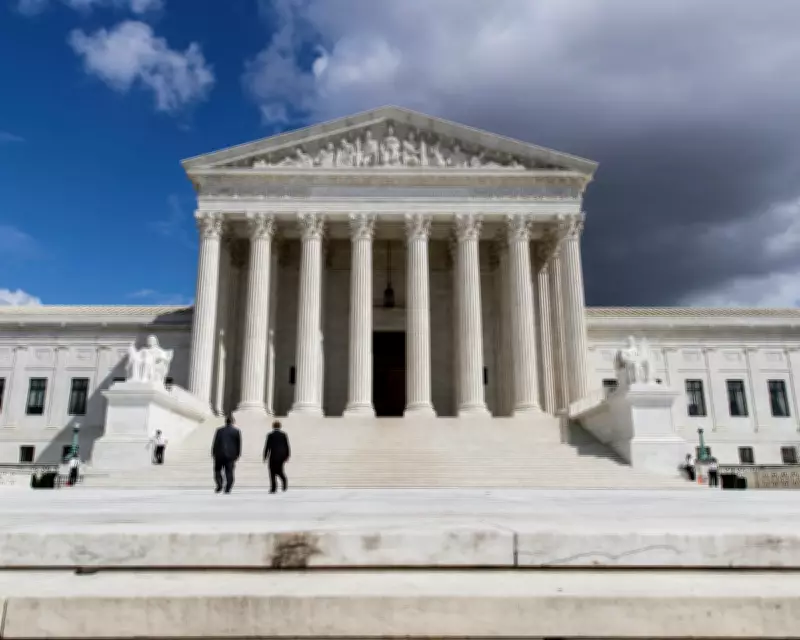
The US Supreme Court has intervened in a contentious redistricting battle, siding with Republican interests by allowing the boundaries of the only GOP-held congressional district in New York City to remain unchanged for the upcoming 2026 elections. This decision comes despite a prior state court ruling that found the district unfairly diluted the voting power of Black and Hispanic residents, highlighting a significant national conflict over electoral maps that could influence control of the House of Representatives.
Legal Halt to Redistricting Order
In a ruling issued on Monday, the justices effectively halted a state court order that had mandated New York's independent redistricting commission to redraw the district currently represented by Nicole Malliotakis. This district encompasses Staten Island and a portion of Brooklyn, areas where demographic shifts have sparked debates over fair representation. The Supreme Court's intervention prevents any immediate changes to the map, ensuring that the existing boundaries will be used for the 2026 electoral cycle, a move that has been celebrated by Republican leaders as a crucial win in their efforts to maintain political influence.
National Implications for House Control
The outcome of this case extends beyond New York, reflecting a broader national tug-of-war over redistricting that has intensified in recent years. With Republicans holding a razor-thin majority in the House of Representatives, every district boundary adjustment carries weighty consequences for political power dynamics. This ruling underscores the Supreme Court's role in shaping electoral landscapes, as similar disputes have arisen in states like California and Texas, where gerrymandering tactics by both major parties have led to ongoing legal challenges.
Background and Political Context
The dispute originated from a judge's determination that the district was drawn in a manner that weakened the electoral impact of Black and Hispanic voters, prompting calls for a new map. Republicans, including the Trump administration, sought the Supreme Court's involvement to preserve the status quo, arguing that changes could disrupt the electoral process. Qualifying for congressional elections in New York had already commenced, adding urgency to the legal proceedings. This case is part of a larger redistricting battle ignited by Donald Trump's encouragement of Republicans in Texas to redraw districts for political advantage, which Democrats countered with their own maneuvers in California, leading to a cascade of similar actions across multiple states.
Ongoing Challenges and Future Outlook
While the Supreme Court has permitted the use of new maps in California and Texas for this year's elections, despite pending court challenges, the New York ruling sets a precedent that may influence future redistricting cases. The decision highlights the complex interplay between legal standards, political strategy, and demographic fairness in American elections. As the 2026 elections approach, this victory for Republicans could bolster their efforts to retain control of the House, but it also raises questions about the long-term implications for voter representation and electoral integrity in diverse urban areas like New York City.