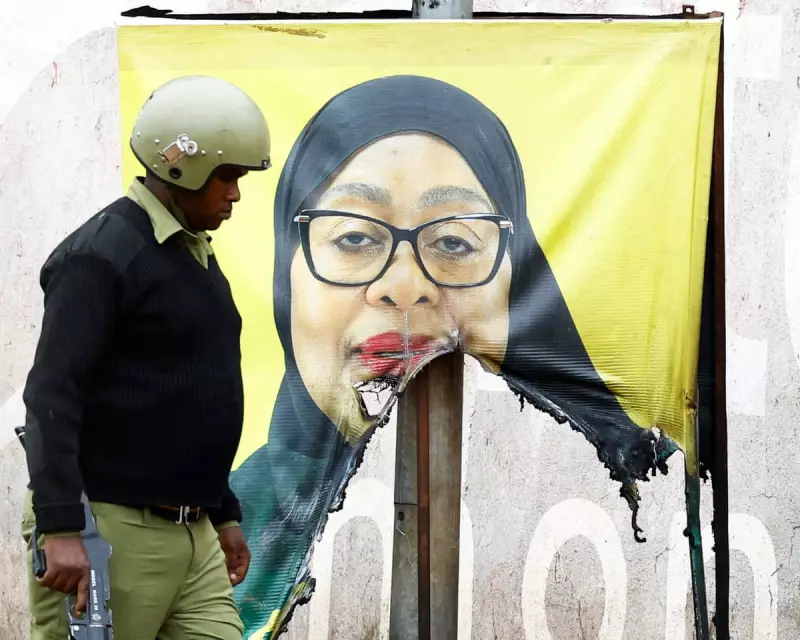
Tanzanian authorities have launched a major manhunt for senior opposition leaders following deadly protests that erupted during last week's controversial elections.
Government Crackdown on Opposition
The police force, working with other security agencies, is actively searching for ten individuals accused of planning and coordinating protests that turned violent. Among those wanted are John Mnyika, Chadema's secretary general, alongside deputy Amani Golugwa and communications head Brenda Rupia.
Prosecutors have already charged 145 people with treason in connection with the unrest that occurred on 29th October. The demonstrations spread across multiple Tanzanian cities, leading to violent confrontations with police forces.
Contested Election Results
Incumbent President Samia Suluhu Hassan was declared the winner with 98% of the vote, though the election process faced widespread criticism. The main opposition party, Chadema, was barred from participating in the electoral process, with their leader Tundu Lissu facing treason charges since April.
According to human rights organisations and election observers, the voting process fell short of democratic standards. Reports emerged of ballot stuffing, while the exclusion of main political rivals raised serious questions about the election's legitimacy.
Casualty Claims and International Response
Opposition groups and human rights bodies claim that more than 1,000 people died during the protests, alleging excessive force by security personnel. The Tanzanian government has disputed these figures, calling them exaggerated, though they haven't provided alternative casualty numbers.
Amnesty International documented numerous human rights violations in the lead-up to the elections, including enforced disappearances, arbitrary arrests, and extrajudicial killings. The organisation also reported that authorities cut off internet access and used disproportionate force to suppress post-election demonstrations.
President Samia acknowledged some deaths occurred but pointed fingers at foreign involvement, stating that many of those arrested came from other countries. Despite the controversy, she was formally sworn into office on Monday during a ceremony held at a military parade ground in the capital, which was closed to the general public.