Thailand is poised for a historic general election this Sunday, 8 February, which could signal a decisive shift away from years of political turbulence and military influence. The nation of over 53 million eligible voters will elect a new House of Representatives and, in a parallel referendum, decide whether to replace the military-drafted constitution of 2017.
A Nation at a Crossroads
This snap election represents Thailand's fourth leadership contest in just three years, unfolding against a backdrop of prolonged instability and ongoing border tensions with neighbouring Cambodia. The vote is widely viewed as a critical test of whether the country can finally break a cycle of short-lived governments, many of which have been toppled by military interventions or judicial rulings over the past decade.
The Front-Runner: A Youthful Progressive
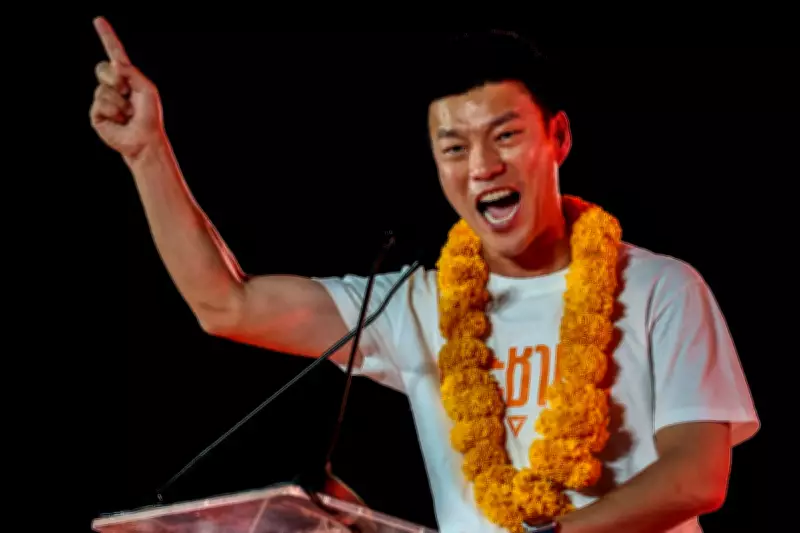
Recent opinion polls place the opposition People's Party in a commanding position, with its 38-year-old prime ministerial candidate, Natthaphong Ruengpanyawut, emerging as the top choice for voters nationwide. His youth and progressive platform have resonated strongly, particularly among younger and urban demographics, presenting a formidable challenge to the incumbent caretaker prime minister, Anutin Charnvirakul.

The election is characterised as a three-way contest between the royalist-military establishment, represented by Charnvirakul's Bhumjaithai Party; the progressive opposition led by the People's Party; and the populist Pheu Thai Party, which is linked to the influential Shinawatra political dynasty.
A Changed Political Landscape
A significant departure from the 2023 election is the confirmed absence of the military-appointed Senate in the process of selecting the next prime minister. This 250-member body, historically dominated by pro-establishment conservatives, had previously held veto power, notably blocking the reformist Move Forward Party from forming a government despite its electoral victory. That power officially expired in 2024.
Under the current system, the newly elected 500-seat House of Representatives will vote to choose the prime minister. While a simple majority is required to win, analysts suggest that close to 270 votes are needed to establish a stable and functional government.
The Constitutional Question
Running concurrently with the parliamentary election is a nationwide referendum that asks voters a simple yet profound question: "Do you approve that there should be a new constitution?" The outcome represents the culmination of a decades-long struggle between the pro-military establishment and democratic movements.
A majority "Yes" vote would grant parliament a public mandate to begin drafting a new national charter, potentially replacing the 2017 constitution that was drafted under military rule following the 2014 coup. A "No" vote would leave the current framework intact.
Profiles of the Main Contenders
The Incumbent: Anutin Charnvirakul
The 59-year-old leader of the Bhumjaithai Party and current caretaker prime minister is firmly backed by the royalist-military establishment. He ascended to the role last September after outmanoeuvring rivals following the court-ordered removal of his predecessor. His party, traditionally a kingmaker in coalition politics, has recently sharpened its conservative and nationalist identity, campaigning on promises of economic stimulus, decentralisation, and increased public spending.
The Progressive Challenger: Natthaphong Ruengpanyawut
Leading the People's Party, Natthaphong is a former businessman and software engineer who represents the latest incarnation of Thailand's progressive movement. His party, formed after the court-ordered dissolution of the Move Forward Party in 2024, champions constitutional reform to reduce military and judicial influence, alongside policies to overhaul the bureaucracy, curb corporate power, and expand social welfare. He has leveraged digital campaigning and grassroots mobilisation to build formidable support.

The Populist Veteran: Yodchanan Wongsawat
The 46-year-old candidate for the Pheu Thai Party is a political novice and an academic by profession, but he carries the formidable legacy of the Shinawatra clan. As the nephew of the polarising former prime minister Thaksin Shinawatra, he benefits from the party's strong rural base and populist brand, though it was recently relegated to opposition after its leader was removed by the Constitutional Court.
Polling and Prospects
A nationwide survey conducted in late January by Suan Dusit Poll showed the People's Party commanding a significant lead with 36% support in both party-list and constituency preferences. The Pheu Thai Party followed with 22%, while the Bhumjaithai Party garnered 18%. These figures suggest a potentially transformative result, though the final composition of the government will depend on complex post-election coalition negotiations.
This election occurs as Thailand's democratic credentials remain under intense international scrutiny. The country has experienced 12 successful coups since 1932 and was recently categorised as an "electoral autocracy" in a major global democracy report. Sunday's vote, therefore, is not merely about choosing a new leader; it is a referendum on Thailand's political future and its capacity to move beyond a turbulent era defined by military influence and institutional instability.