Trump Grants Controversial Pardon to Former Allies
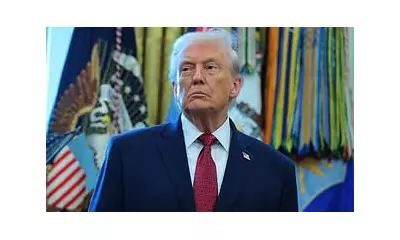
In a move that has sent shockwaves through political circles, former President Donald Trump has issued a presidential pardon to his one-time ally Rudy Giuliani and several other Republicans. The pardon specifically addresses their involvement in attempts to challenge the outcome of the 2020 presidential election.
Details of the Presidential Proclamation
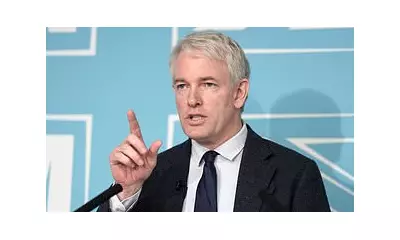
The significant development was confirmed by the president's pardon attorney, Ed Martin, who made the announcement on the social media platform X this past Sunday. According to Martin, President Trump had actually signed the pardon proclamation on Friday.
The official pardon document states that this proclamation ends a grave national injustice perpetrated upon the American people following the 2020 Presidential Election. It further claims the action continues the process of national reconciliation.
Broader Implications and Reactions
This presidential pardon represents one of the most consequential actions taken by Trump regarding the contentious post-election period. By absolving Giuliani and other Republicans, the former president has directly intervened in the legal and political consequences facing those who worked to overturn the election results.
The move is likely to provoke strong reactions across the political spectrum, particularly as it touches upon one of the most divisive chapters in recent American history. Legal experts and political analysts are now examining what precedent this sets for future presidential powers and accountability for election-related actions.