Mediterranean Migrant Tragedy: Up to 1,000 Feared Dead After Devastating Storm
Up to 1,000 people are missing at sea and feared dead following the catastrophic impact of Storm Harry across the Mediterranean last month, according to migrant-rescue organisation Mediterranea Saving Humans. The group based its alarming estimate on testimonies gathered from refugees in Libya and Tunisia, describing the event as one of the most significant tragedies on the central Mediterranean migration route in recent years.
Storm Conditions and Missing Boats
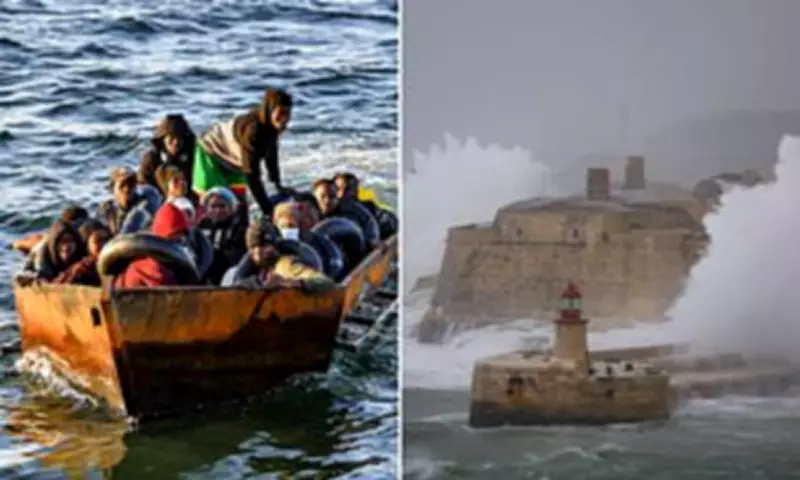
The organisation reported that between January 14 and January 21, eight boats carrying between 30-50 people each departed from Tunisia's eastern coast. None of these vessels have been located since, with no rescue operations reported by official authorities during this period. The disappearances coincided precisely with Storm Harry's most violent phase, which generated waves exceeding seven metres and winds surpassing 50 knots.
A spokesperson for Mediterranea Saving Humans stated emphatically: 'The boats did not simply disappear — they were lost during some of the most dangerous sea conditions recorded in the past twenty years.'
Eyewitness Accounts and Rescue Efforts
One survivor's story emerged through Ahmed Omar Shafik, captain of a merchant vessel who rescued Sierra Leone national Ramadan Konte off Malta's southern coast. Konte recounted being aboard a boat with approximately 50 people before it capsized, claiming he spent over 24 hours in the water before rescue and believes all others perished.
The NGO further disclosed that another people smuggler in Tunisia dispatched ten additional boats carrying around 50 migrants each, with only one vessel returning safely to shore.
Political Criticism and NGO Response
Laura Marmorale, president of Mediterranea Saving Humans, delivered scathing criticism of Italian and Maltese governments, accusing them of maintaining 'silence' and 'not moving a finger' to assist migrants during the crisis. The organisation was established in 2018 specifically in response to Italy's controversial closed-port policy, which prohibits NGO-operated rescue ships from docking.
Marmorale declared: 'Faced with all this, the silence and inaction of the governments of Malta and Italy are chilling: the deaths of those who have lost their lives at sea must not be spoken about, especially when these deaths expose the failure of migration policies and cooperation with Libya and Tunisia.'
She added that the organisation, alongside Refugees in Libya and Tunisia, would continue demanding truth and justice despite the unprecedented scale of this tragedy.
Storm Harry's Mediterranean Devastation
The powerful storm caused widespread chaos across southern Europe, with particularly severe impacts in Sicily where tsunami-like storm surges transformed streets into raging rivers. Social media footage captured terrified residents fleeing as floodwaters rapidly inundated coastal areas, submerging roads and pavements while sea foam reached building ground floors.
Italian authorities issued red alerts across Sicily, Sardinia and Calabria as Storm Harry unleashed:
- Gale-force winds reaching 74 mph in Sicily
- Waves exceeding nine metres in height
- Sea surges surpassing five metres in Catania
- Collapse of sections of Messina's seaside promenade
Approximately 190 people required evacuation from exposed areas in Sicily alone, with multiple towns closing schools, parks and sports facilities as firefighters assisted families leaving vulnerable homes.
Malta and Regional Impacts
Nearby Malta experienced similarly destructive conditions, with 65 mph winds driving powerful waves onto streets and partially submerging palm trees. The Civil Protection Department issued urgent warnings for residents to avoid coastal areas, heights and exposed structures, while emergency services responded to over 180 incidents.
Travel disruption extended across the region with cancelled and diverted flights and ferries, while Spain implemented yellow warnings for wind and dangerous waves across Andalusia's southern coastline.
The Mediterranean tragedy highlights ongoing tensions between humanitarian rescue organisations and European government policies regarding migration routes, with Storm Harry's ferocity exposing both natural dangers and political divisions in migrant protection efforts.