Man Cleared in Alleged Murder-for-Hire Plot Targeting Top Border Patrol Official
A man accused of orchestrating a murder-for-hire plot against a senior US border patrol leader has been found not guilty in a Chicago courtroom, marking a significant setback for federal prosecutors in a high-profile immigration enforcement case.
Rapid Jury Decision Leads to Acquittal
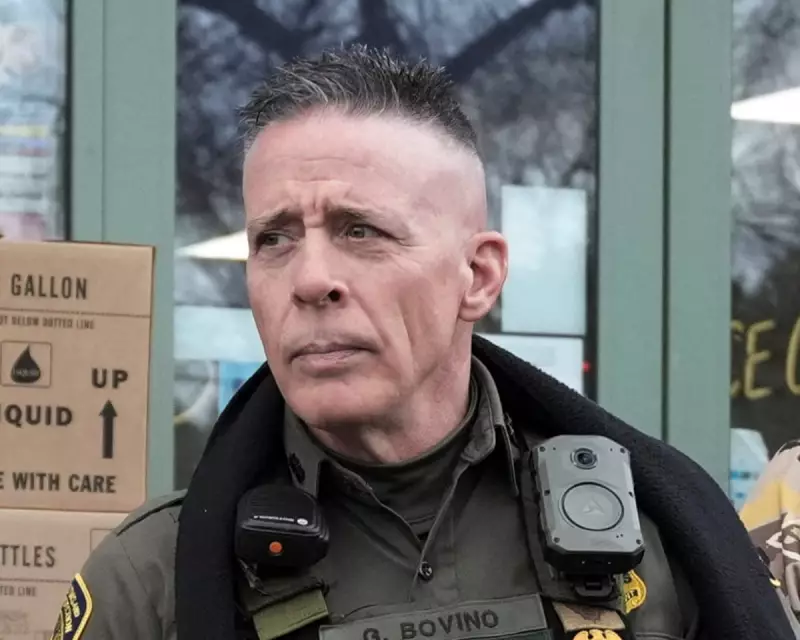
Juan Espinoza Martinez, 37, was acquitted on Thursday after a jury deliberated for less than four hours. The government had alleged that he offered a $10,000 bounty via Snapchat in October for the killing of Gregory Bovino, the border patrol official known for spearheading aggressive immigration operations across American cities. However, defense lawyers successfully argued that Espinoza Martinez was merely sharing innocuous social media gossip and did not pose a genuine threat.
This verdict represents an embarrassing outcome for federal prosecutors, as it was the first criminal trial to emerge from the Trump administration's major crackdown in the Chicago area, which commenced last year. Espinoza Martinez faced up to 10 years in prison if convicted on the murder-for-hire charge.

Defense Challenges Government's Evidence
The prosecution's case centred on Snapchat messages sent by Espinoza Martinez to his younger brother and a friend, who was later revealed to be a government informant. One message included a picture of Bovino with the text, "10k if u take him down." Jason Yonan, the second-highest-ranking federal prosecutor in the Chicago region, told jurors that these words were not a joke but carried serious intent.
In contrast, defense attorney Dena Singer contended that the government failed to provide any evidence that Espinoza Martinez intended to carry out or pay for Bovino's killing. She described the messages as "neighborhood gossip" shared after he returned home from work and relaxed with beers, noting that he never followed up on them and had only a few dollars in his bank account. Singer emphasised, "Sending a message about gossip that you heard in the neighborhood, it's not murder for hire. It's not a federal crime."
Broader Context of Immigration Cases Unravelling
This acquittal follows a pattern of criminal cases related to immigration enforcement collapsing nationwide. For instance, in September, the first Los Angeles protester to go to trial in connection with southern California demonstrations against immigration raids was also acquitted, in a case that featured direct testimony from Bovino.
Espinoza Martinez, who was born in Mexico and has lived in Chicago for years without citizenship, was initially labelled by federal prosecutors as a "ranking member" of the Latin Kings gang. However, due to a lack of evidence, the judge barred testimony on this alleged gang affiliation during the trial.
Neither Espinoza Martinez nor Bovino testified in the three-day trial. The defendant's brother, Oscar, stated that he interpreted the Snapchat messages as a joke and had seen similar content on Facebook. Clips from Espinoza Martinez's interview with law enforcement were played, where he expressed confusion about the charges and admitted to sending the messages without much thought while browsing social media. He told investigators, "I didn't threaten anyone. I'm not saying that I was telling them to do it."
Questions Raised About Government Witnesses
Defense lawyers highlighted inconsistencies in the prosecution's case, particularly regarding their first witness, Adrian Jimenez. A 44-year-old construction company owner, Jimenez had communicated with Espinoza Martinez over Snapchat about work but was also a paid government informant who shared the messages with a federal investigator. Singer pointed out to jurors that Jimenez, who walked slowly with a limp due to back problems and needed assistance to sit, was an unlikely candidate for a murder-for-hire solicitation, asking, "Would you solicit for hire an individual that was in that much pain and could barely walk? That doesn't make any sense."

This case adds to growing skepticism about narratives from the Department of Homeland Security (DHS) in Chicago. Of approximately 30 criminal cases stemming from Operation Midway Blitz, charges have been dismissed or dropped in about half. In a separate lawsuit that compelled Bovino to sit for depositions, a federal judge found he had lied under oath, including about alleged gang threats.
In another failed prosecution in Los Angeles, where a protester was charged with assaulting a border patrol agent, Bovino was the sole witness to claim he saw the assault, leading defense lawyers to accuse him of "trying to cover up" for the agent.
Spokespeople for DHS did not immediately respond to inquiries regarding the acquittal. Bovino has previously cited this case as an example of the increasing dangers facing federal agents, but the jury's swift decision underscores the challenges in proving such allegations in court.