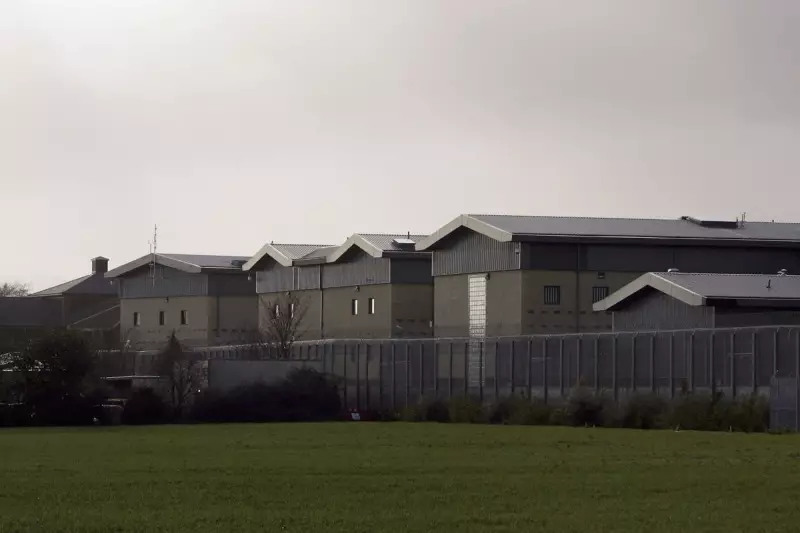
A group of around 80 asylum seekers held at the Harmondsworth immigration removal centre have penned a stark letter alleging they are being subjected to conditions that have triggered a "severe mental health crisis" among detainees.
Allegations of Isolation and Punishment
In the letter, the individuals, who hail from various countries, claim they are being "isolated and punished". They state they have been unjustly detained alongside people with criminal convictions, despite their sole purpose for being in the UK being to seek asylum. The detainees further report being interviewed at times when they are particularly vulnerable, having their mobile phones confiscated, and facing significant barriers to accessing legal representation, especially after their initial asylum claims have been refused.
The 'One In, One Out' Policy Context
These detentions are directly linked to the government's controversial 'one in, one out' returns agreement with France. Under this scheme, designed to manage migrant crossings, the UK returns individuals to France while accepting others. Official figures show that by December 2025, the policy had resulted in 193 people being returned to France and 195 brought to the UK. The policy has been a cornerstone of the government's border protection strategy but faces intense scrutiny over its human impact.
Official Response and Wider Calls for Compassion
The Home Office has issued a statement in response to the allegations, saying it "recognised the claims" regarding the conditions at Harmondsworth. A spokesperson emphasised that the welfare of those detained is of paramount importance, while also defending the 'one in, one out' scheme as a necessary priority for maintaining secure borders.
The crisis at Harmondsworth emerged into public discourse shortly after Green Party co-leader Zack Polanski used his Christmas address, delivered in Calais, to urge the public to stop "demonising migrants". His call for greater humanity and understanding contrasts sharply with the experiences detailed by those currently held in detention.
The situation underscores a growing tension between immigration enforcement policies and the mental health and welfare of individuals within the system, prompting urgent questions about the treatment of asylum seekers during the processing of their claims.