UK Border Security Chief Steps Down Amid Ongoing Small Boats Crisis
Martin Hewitt, the head of the UK's border security command, is set to step down from his role at the end of March after serving for 18 months. His departure comes at a critical time, as the government continues to face significant challenges in controlling the number of small boats crossing the English Channel.
Background and Statistics
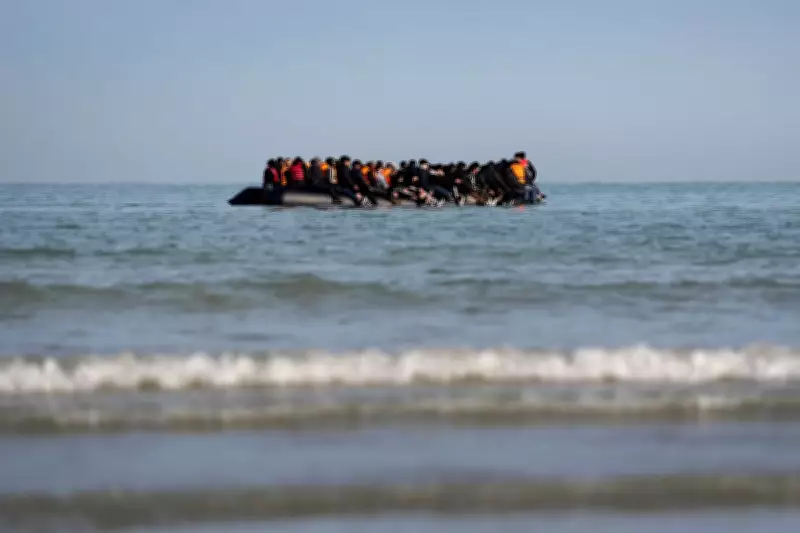
Since his appointment in September 2024, a total of 58,910 individuals have made the perilous journey across the Channel in small boats. Last year alone saw 41,472 arrivals, marking the second-highest annual total on record. This persistent influx has kept the small boats crisis at the forefront of political debates and public concern.
Sources close to the situation indicate that Mr Hewitt's decision to leave was influenced by "frustrations" with the role. He had previously acknowledged that addressing the crisis would "take time" to yield tangible results, highlighting the complex and protracted nature of the issue.

Government and Opposition Responses
The Home Office has publicly thanked Martin Hewitt for his leadership during his tenure. In a statement, officials expressed gratitude for his efforts in managing border security amidst ongoing pressures.
However, shadow home secretary Chris Philp has attributed the failure to curb small boat arrivals to Labour leader Keir Starmer and shadow home secretary Shabana Mahmood. This criticism underscores the partisan tensions surrounding immigration policy and border control in the UK.
Political Context and Future Implications
The departure of the border security chief adds a new layer of complexity to the government's handling of the small boats crisis. With Shabana Mahmood vowing to "stop the boats" in a passionate pledge, the issue remains a key battleground in UK politics. The ongoing struggle to secure borders and manage migration flows will likely continue to dominate discussions in Westminster and beyond.
As the search for a successor begins, questions linger about the effectiveness of current strategies and the potential for new approaches to address the root causes of the crisis. The situation highlights the broader challenges of immigration, security, and policymaking in a post-Brexit Britain.