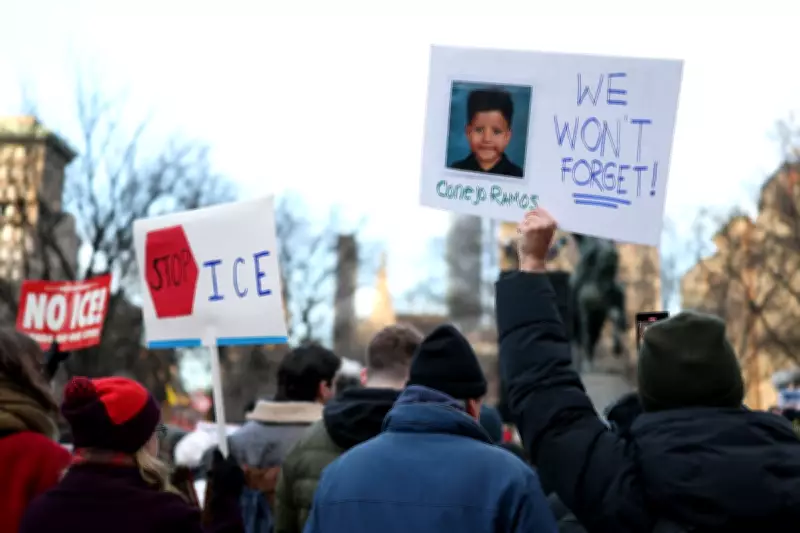
In a significant development that has ignited widespread public outcry, a five-year-old boy named Liam Conejo Ramos and his father, Adrian Alexander Conejo Arias, have safely returned to their home in Minneapolis after being held in federal immigration detention in Texas. The pair were detained by Immigration and Customs Enforcement (ICE) agents on 20 January, sparking a national debate over aggressive enforcement tactics.
Judge's Scathing Order Leads to Release
Their release was mandated by District Judge Fred Biery, who issued a strongly worded order demanding their freedom. In his assessment, Judge Biery delivered a harsh critique of the administration's mass deportation campaign, highlighting concerns over its impact on families and legal processes. This judicial intervention underscores the ongoing tensions between immigration enforcement and judicial oversight in the United States.
Viral Image Symbolises Immigration Struggles
During the arrest, a poignant image of Liam wearing a Spider-Man backpack and a bunny hat went viral, quickly becoming a powerful symbol of the human cost of immigration enforcement operations in Minneapolis. This visual representation has resonated deeply with activists and the public, fuelling protests and calls for reform.
Political and Legal Support for the Family
Democratic Representative Joaquin Castro played a key role in the family's return, sharing images of Liam and his father as they left the South Texas Family Residential Center and personally escorting them back to Minnesota. The family's attorney has asserted that they entered the country legally and are actively pursuing a lawful pathway to asylum, countering Homeland Security's characterisation of Liam's father as an "illegal alien." This discrepancy highlights the complex and often contentious nature of immigration cases.
Protests Erupt in Minneapolis
In response to the detention, thousands of protesters have taken to the streets in Minneapolis, voicing their opposition to ICE's practices and demanding more humane immigration policies. The case has galvanised community action and drawn attention to broader issues of family separations and asylum seekers' rights.
The return of Liam and his father marks a temporary resolution in a case that continues to spotlight the challenges and controversies surrounding immigration enforcement in the UK and globally, with implications for policy debates and public sentiment.