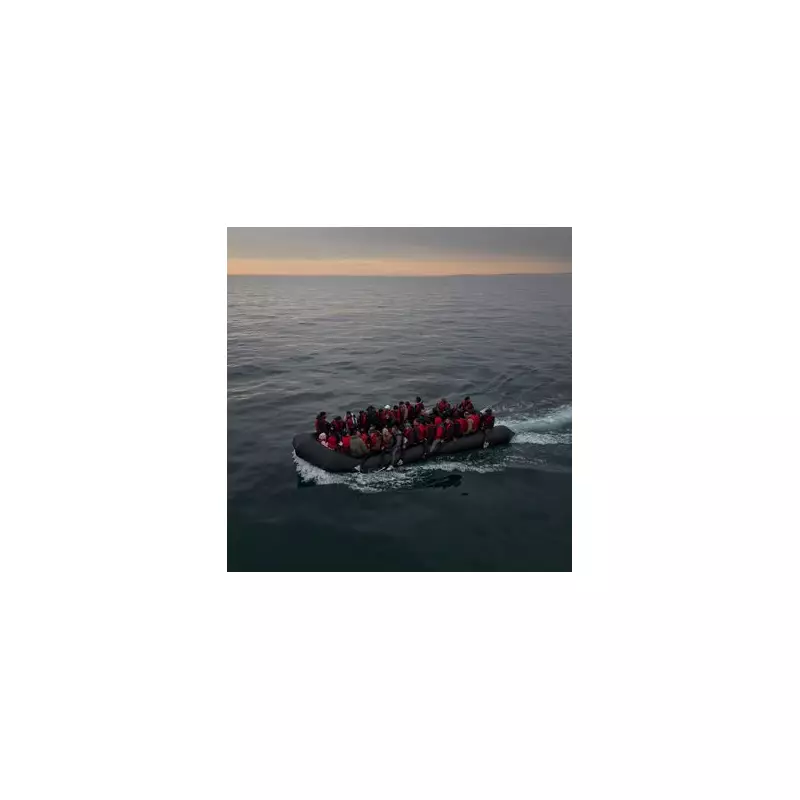
Brexit has introduced a significant new factor in the ongoing crisis of small boat crossings in the English Channel, a parliamentary committee has been told.
The 'Dublin-ed' Narrative and a Lost Agreement
Experts informed the Home Affairs Select Committee that the UK's departure from the European Union is now "part of the narrative" among migrants attempting the perilous journey. Meghan Benton, Director for Global Programs at the Migration Policy Institute, stated that Brexit had created a "new dimension" in tackling illegal migration.
She cited interviews with individuals in northern France who explicitly say they "don't want to get Dublin-ed". This phrase refers to the Dublin Convention, an EU mechanism that allowed the UK to return asylum seekers to the first EU member state they entered. The UK lost access to this returns framework when it left the bloc, with no direct replacement agreed upon.
Political Repercussions and a Pilot Returns Scheme
The political fallout from this change is clear. French President Emmanuel Macron stated last summer that Brexit had harmed Britain's ability to remove people and was encouraging crossings. Meanwhile, Labour leader Sir Keir Starmer has referred to the vessels as "Farage boats", criticising claims made during the 2016 referendum that leaving the EU would not affect migration policy.
In an effort to deter crossings, the UK and France are currently trialling a 'one-in-one-out' returns arrangement. However, the committee heard that this pilot would need to be significantly scaled up to have a meaningful impact.
The Need for a 'Substantial' Deterrent
Dr Mihnea Cuibus, a researcher at the Oxford Migration Observatory, explained the calculus from a migrant's perspective. "The risk of being returned [is] weighed up against the costs and the risk of making the crossing," he said. He emphasised that for people who have already taken enormous risks, the probability of being returned would need to be "fairly high" to change behaviour.
"Anything that moves the needle in terms of their decision to cross or not, you would have to be quite substantial," Dr Cuibus concluded, highlighting the scale of the challenge facing policymakers in the post-Brexit landscape.