British Tourist Faces Two Years in Dubai Prison Over Missile Strike Video
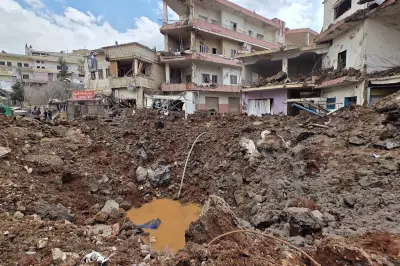
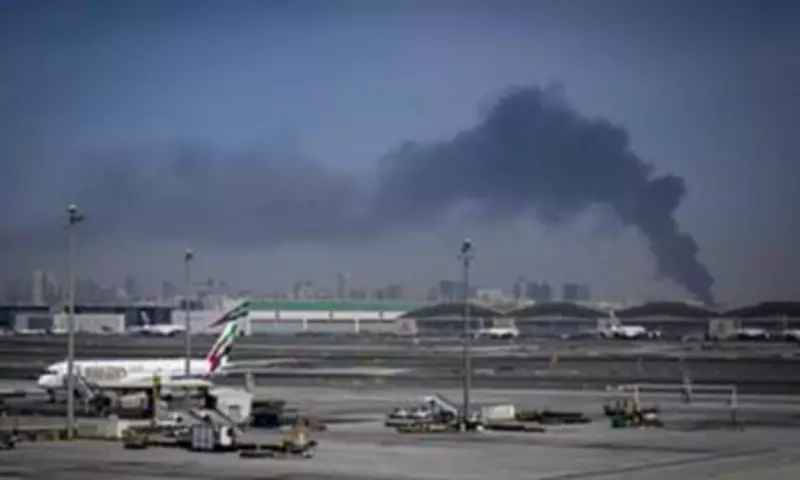
A British tourist, a 60-year-old man from London, has been arrested in Dubai and is now facing a potential two-year prison sentence after allegedly filming missiles hitting the city. The individual was detained on Monday night and is said to have deleted the video immediately when asked by authorities. He maintains that he did not intend to break any laws.
According to the campaign group Detained in Dubai, the tourist has been charged alongside 20 other individuals over videos and social media posts related to recent Iranian missile strikes on the United Arab Emirates. The official allegation involves "broadcasting, publishing, republishing or circulating rumours or provocative propaganda that could disturb public security." This offence carries a maximum sentence of two years in prison under UAE cybercrime laws.
Dubai's Strict Social Media Policing
The Dubai government enforces rigorous social media regulations, particularly in response to the outbreak of conflict. Authorities have threatened jail time for anyone sharing information that "results in inciting panic among people." In the early days of the conflict, videos of drone and missile strikes were frequently shared on social media platforms, but these have largely disappeared following an official clampdown.
Instead, a deluge of glowing posts about Dubai's government from western influencers based in the city has emerged, often containing suspiciously similar language. One viral trend features influencers sharing clips that begin with the question "are you scared?" before showing photos of Dubai leader Sheikh Mohammed bin Rashid Al Maktoum alongside the words, "I know who protects us."
Influencer Propaganda and Self-Censorship
Sceptical social media users have claimed that influencers are being paid by the UAE government to disseminate pro-regime "propaganda," although several influencers have denied this. The strict laws in Dubai include penalties for criticising or insulting the UAE government or causing "reputational harm" to the country, which can result in fines of up to £200,000, up to five years in prison, and possible deportation. Sentences are even harsher for property owners in the region.
This tough stance is believed to have encouraged self-censorship among influencers in the Gulf state. Earlier clips of Iranian drone and missile attacks are now overwhelmed by posts repeating the "I know who protects us" meme. Few influencers are willing to discuss content laws openly.
Expert Analysis on the Trend
Marc Owen Jones, Associate Professor of Media Analytics at Northwestern University in Qatar, commented on the situation, noting that the identical videos were "suspicious." While he could not confirm whether influencers were being paid, he believed there was a strong likelihood that they were, in order to emphasise the appearance of safety and stability in Dubai.
Professor Jones stated: "At the moment I don't know for sure if they are paid or not, but my expert opinion is that this started as a paid trend, an attempt to overemphasise the safety of Dubai since the perception of stability is so important for the country. The issue is when trends go viral, people replicate them and they become just that, a 'trend'. I also wonder in an authoritarian context if people think posting such content becomes a way of flagging themselves as patriotic and spreading information that will be viewed positively by the authorities."
He added that the fact some clips are identical is suspicious, but platforms like TikTok and Instagram allow for "remixing" with minimal changes, which could explain the similarity.
Legal Risks and Human Rights Concerns
Following his arrest, the British tourist was held at Bur Dubai police station, the same location where British businessman Lee Brown died in 2011 after being detained for five days following an alleged assault. Radha Stirling, CEO of Detained in Dubai, warned about the broad nature of UAE cybercrime laws.
Stirling explained: "Under UAE cybercrime laws, one post can lead to many arrests. Anyone who shares, reposts or comments on the same content can face the same charges and be named on the same charge sheet. The charges are vague and broad but serious nonetheless. Those charged could face lengthy prison sentences. Residents could also be detained under national security laws, held indefinitely, denied access to their embassy and be subjected to human rights abuses. In times of tension, extreme caution is advised."
The posts often cut to a montage of Al Maktoum being greeted by adoring crowds, further reinforcing the narrative of stability and protection. As the situation unfolds, the case highlights the severe legal risks faced by individuals in Dubai for social media activities, particularly during periods of geopolitical tension.