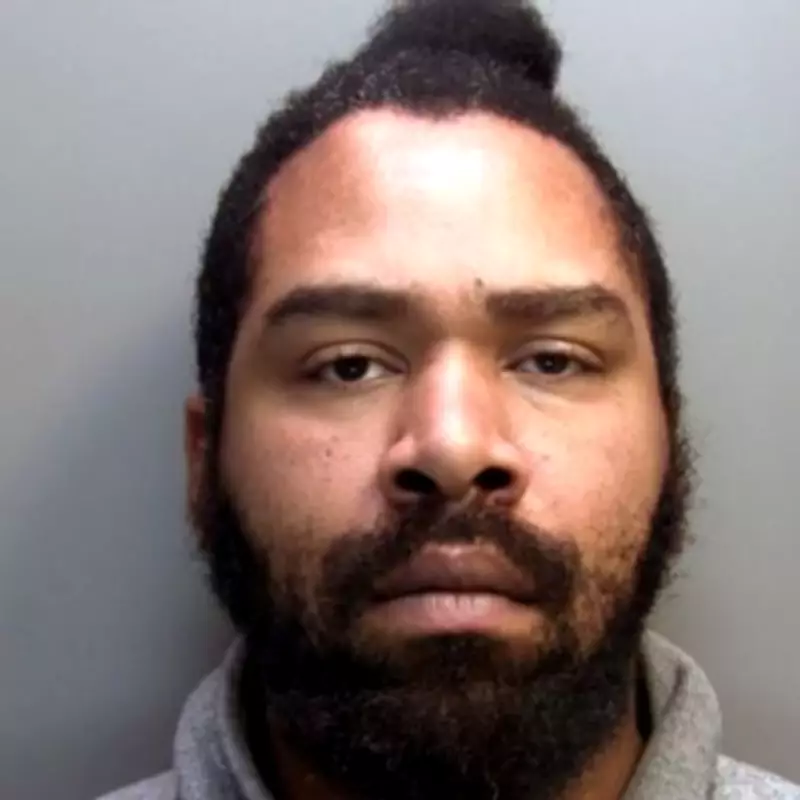
Care Assistant Sentenced to 21 Years for Filming Rapes of Vulnerable Women
Twisted care assistant Joshua Springer has been jailed for 21 years after admitting to a series of horrific attacks on vulnerable dementia patients, which he filmed on his phone. The 35-year-old pleaded guilty to nine charges of rape and three counts of making indecent images of children at Lincoln Crown Court.
Discovery of Heinous Crimes
Springer's offending came to light after a colleague interrupted him during an attack last summer, leading to his initial arrest for one rape. The case escalated dramatically when Springer confessed to his mother that he was a rapist, prompting her to contact police with what she described as "relevant information relating to her son."
Prosecutor Paul Raudnitz KC revealed that Springer told his mother during a Facetime call: "Mum, I'm guilty" and described himself as a "rapist and borderline paedo." This confession proved crucial in uncovering the full extent of his crimes.
Vulnerable Victims Targeted
Detectives confirmed that Springer's offences related to three elderly women suffering from dementia at a residential care home in Lincolnshire where he worked. A fourth, younger victim living elsewhere in the country was also targeted and filmed by the predator.
When initially arrested at his home in Cornstall Buildings, Stamford, Springer told police: "No way, this is one big misunderstanding, I can explain." However, DNA evidence linked him to one victim, and examination of his phones revealed the disturbing videos he had recorded of his attacks.
Disturbing Evidence and Confessions
The court heard that Springer admitted filming all four victims with his phone and expressed fear about the videos being discovered, saying he was scared of "going to the jail for a long time." During police interviews, he stated: "I don't know why I did it but I did," and claimed to have been addicted to marijuana and alcohol for the past decade.
Further investigation revealed Springer's collection of more than 760 indecent images, including several showing babies being attacked. The defendant had previous cautions for possession of an offensive weapon in 2005 and a public order offence in 2014.
Victim Impact and Sentencing
Personal statements from relatives of the victims were read in court, with one partner stating: "Not in my wildest dreams would I have thought this could happen to my wife. This horror is something I am going to have great difficulty with for the rest of my life."
Defence barrister Anna Soubry acknowledged Springer should be classed as a dangerous offender but urged the court to give credit for his guilty pleas, noting: "Frankly there is not a lot to be said. This defendant told his mother he was going to go to prison for a very long time. He was right... and has known from the outset that he will receive a very lengthy custodial sentence."
Judge's Condemnation and Additional Measures
Passing sentence, Judge Simon Hirst emphasized the particular vulnerability of the victims due to their personal circumstances, stating that filming the offences amounted to additional degradation. He told Springer: "There was a gross breach of trust. You specifically targeted particularly vulnerable victims."
In addition to the 21-year prison term, Springer was required to register as a sex offender for life, made subject to a lifelong sexual harm prevention order, and given a six-year extension to the licence period of his jail term.
Ongoing Investigation
Detective Chief Inspector Jennifer Lovatt of the East Midlands Special Operations Unit confirmed that investigations continue despite Springer's sentencing. She stated: "While Springer has today been sentenced for his horrific crimes, that does not mean that our investigations have stopped. Our team has worked tirelessly for some time in bringing Springer to justice, and there may be other potential victims who perhaps have not yet come forward."
The case has highlighted serious concerns about safeguarding in care environments and the vulnerability of dementia patients to predatory behavior from those entrusted with their care.