Survivor of Deadliest Channel Boat Tragedy Recalls Six-Hour Swim to Safety
In a harrowing account to the official inquiry, Issa Mohamed Omar has detailed his desperate six-hour swim to survival after the deadliest English Channel boat disaster on record. The Somali national, who had fled conflict in Yemen, found himself surrounded by bodies in the unforgiving waters after the overcrowded vessel capsized in the early hours of 24 November 2021.
The Agonising Decision to Let Go
Clutching the wreckage of the stricken boat as dawn approached, Omar faced what he believed to be certain death. "I remember thinking: 'I am going to die, I don't want to die here. At least if I die whilst swimming I won't feel it'," he told the Cranston Inquiry. After shedding his heavy coat and boots, he made the brave decision to release his grip and swim toward a distant ship he could see on the horizon.
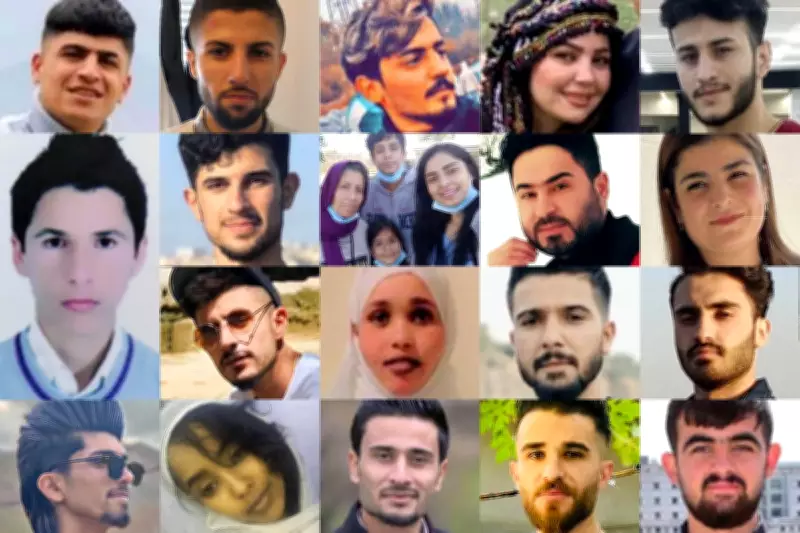
The tragedy claimed at least 27 lives, with four other people missing and presumed dead. Most victims were from the Kurdistan region of Iraq, alongside Somalis, Ethiopians, Afghans, Egyptians, one Iranian, and one person believed to be Vietnamese.
Systemic Failures Laid Bare
The independent inquiry, led by Sir Ross Cranston, concluded on Thursday that systemic failures by both UK and French authorities contributed directly to the scale of the deaths. The report found that lives could potentially have been saved if the French coastguard had responded appropriately to a distress call.
Sir Cranston identified multiple critical failings:
- French maritime authorities failed to respond to the Mayday call
- UK coastguard search and rescue operations were called off prematurely
- Chronic staff shortages in the UK's maritime response system
- A dangerous assumption that distress callers routinely exaggerate emergencies
Heartbreaking Testimony from Families
Among those lost was Maryam Noori Mohammedameen, a young woman in her twenties from Kurdistan who dreamed of studying engineering in the UK to join her fiancé. Her father, Noori Mohammedameen Hassan, described hearing his daughter named as a victim as "the darkest moment of my life".
Another victim, Bilind Shakir Baker from Iraqi Kurdistan, was remembered by his father as "a very quiet and kind child" who loved swimming in the river near his home. His father had initially hoped Bilind might be among the two survivors before learning the tragic truth.
Freweyni Hayiemariam Gitet spoke of her daughter Niyat Ferede, an Ethiopian pharmacy student who only considered leaving her home after war broke out. "She tried to escape so that she could survive," her mother told the inquiry.
The Long Swim to Rescue
Omar described swimming for more than six hours, taking breaks by floating on his back to conserve energy. After approximately ten hours in the water, he was finally spotted by a French woman on a fishing boat with her family, who jumped into the Channel to rescue him.
His testimony revealed the sheer desperation of those final hours clinging to the wreckage: "It was extremely dark, and many people were screaming or crying in the water. I cannot recall being able to see very much, but I think several people drowned or drifted away very quickly after we capsized."
By sunrise, only around fifteen people remained holding onto the boat. "Those who were alive were half-dead. There was nothing we could do anymore. I could see bodies floating around us in the water," Omar recalled.
Legal Response and Accountability
Maria Thomas, lead solicitor acting for the families from Duncan Lewis law firm, stated that the inquiry had exposed fundamental flaws in the emergency response system. "The systemic failure to challenge the assumption that callers routinely exaggerate distress created a real risk that those facing genuine emergencies would not be believed," she said.
The inquiry's findings place responsibility on multiple parties:
- The people smugglers who provided the unsafe vessel
- French maritime authorities for their failure to respond
- UK coastguard for prematurely ending search operations
This tragedy represents the worst recorded maritime disaster in the English Channel, with the inquiry's conclusions highlighting urgent need for reform in cross-Channel emergency response protocols and migrant safety measures.