Last Saturday, a rally near Downing Street saw around 250 supporters, from pensioners to students, waving placards with the emotive slogan 'Jesus was a Refugee'. The event, however, has cast a fresh spotlight on the complex and controversial world of British charities operating on the front lines of the migration crisis.
From Humanitarian Aid to Political Force
The demonstration was organised by an unlikely alliance: the charity Care4Calais (C4C) and the group Stand Up To Racism (SUTR). While C4C presents itself as a gentle organisation feeding and clothing migrants in northern France, SUTR openly champions open borders and has unashamedly close links to the Marxist-aligned Socialist Workers Party (SWP). A joint online poster for the rally defiantly stated: 'Don't let the far-Right divide us at Christmas.'
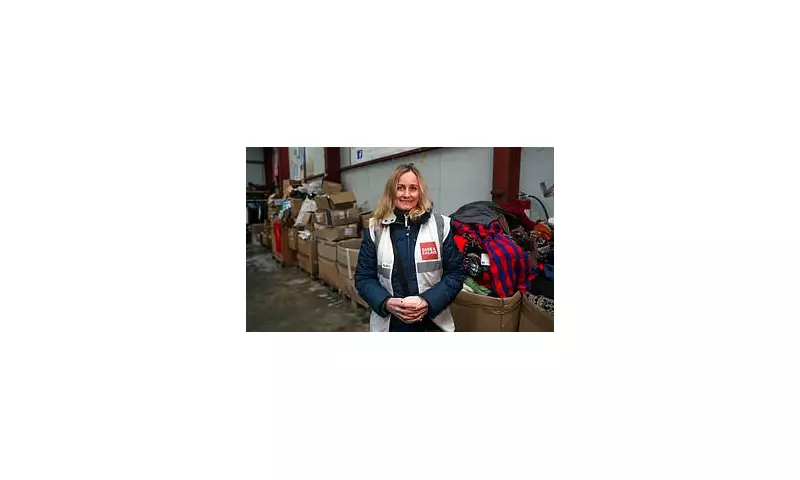
Founded a decade ago by Clare Moseley, a middle-class Liverpool accountant and mother, C4C appears to have morphed from a simple aid operation into a highly organised political force. It now boasts an annual income of £1.8 million and is supported by up to 600 volunteers. An investigation has uncovered that Moseley runs an anti-racism music festival company alongside Weyman Bennett, a central committee member of the SWP and a co-convenor of SUTR, revealing deep and enduring ties between the groups.
Allegations of Misconduct and Trafficking Links
The timing of the rally was deeply awkward. It came just as the Home Office sensationally accused an Iraqi-Kurdish trafficker, Halo Rashid, 38, of 'working' for C4C while allegedly scouring migrant camps for customers to smuggle to Britain for £10,000 a head. At a Special Immigration Appeals Commission hearing, a Home Office barrister claimed Rashid used the charity as a 'cover' to find migrants to hide in lorries crossing the Channel.
C4C has denied Rashid ever worked for them, dismissing the idea of their involvement in trafficking as 'for the birds'. However, this is not the first controversy for the charity. Moseley herself faced stern criticism from the Charity Commission after £300,000 of donated money was found in a personal bank account and whistleblower complaints were ignored. She also had a year-long affair with a Tunisian migrant, Mohamed Bajar, which ended when he tried to burn down the charity's warehouse.
Fuelling the Journey and the Backlash
The charity's influence on migrant routes appears significant. One migrant, who arrived by boat 11 weeks ago, told the Daily Mail that word of mouth about C4C providing food, coats, and free mobile phones drew him to Calais. The charity distributes leaflets in 16 languages, including Arabic and Russian, which provide phone numbers for UK human rights organisations that help with asylum appeals and fighting deportation.
This activity occurs against a backdrop of growing public concern over mass immigration and shocking court cases involving migrant offenders. Critics argue that charities like C4C, while well-meaning, are substantially fuelling open borders by enabling thousands of unvetted men to arrive, without acknowledging the potential public safety risks. As one Iranian asylum seeker who kayaked across the Channel noted, traffickers and even dangerous individuals can easily blend in with genuine refugees in the food queues.
The charity was also a central cog in the legal battle that quashed the government's Rwanda asylum plan, prompting former Home Secretary Suella Braverman to accuse some charities of 'actively undermining efforts to curb illegal migration.' Clare Moseley has since left Care4Calais, but her legacy, and the charity's profound political shift from its humble origins, continues to provoke intense debate and scrutiny.