Chicago Carpenter Acquitted in Bounty Case Now Faces Deportation Proceedings
A Chicago carpenter who was recently cleared of allegations that he placed a $10,000 bounty on the life of a Border Patrol commander has been taken into immigration custody and now confronts potential deportation, according to statements from his legal team on Tuesday.
Acquittal Followed Swiftly by Immigration Detention
Juan Espinoza Martinez, a 37-year-old resident of Chicago, was acquitted of one count of murder-for-hire last week after a brief trial. Within a mere 24 hours of the verdict, federal immigration agents apprehended him, as confirmed by his defense attorneys, Jonathan Bedi and Dena Singer.
Espinoza Martinez, who was born in Mexico and brought to the United States as a young child, had his immigration status excluded from the initial criminal proceedings. His attorneys have accused the federal government of engaging in what they describe as "character assassination" by labelling him a "criminal illegal alien."

Defence Challenges Prosecution's Claims
During the trial, prosecutors alleged that Espinoza Martinez held a ranking position within the Latin Kings street gang. However, this assertion quickly unravelled when they failed to present substantiating evidence, leading the judge to prohibit any mention of the gang during the proceedings.
In a joint statement, Bedi and Singer emphasised: "This verdict is a reminder that juries see through political prosecutions. They demand real evidence, not speculation and character assassination. The government didn't have it. They never did."
Family Details and Immigration Status
Espinoza Martinez, a married father of three children, was originally arrested in October. His wife, Bianca Hernandez, disclosed to the Chicago Tribune that her husband had previously been a beneficiary of the Deferred Action for Childhood Arrivals (DACA) programme. This Obama-era initiative has protected hundreds of thousands of individuals from deportation, provided they meet specific criteria, including maintaining a clean criminal record.
However, due to financial difficulties, Espinoza Martinez was unable to renew his DACA application in 2020, according to family sources. Hernandez expressed mixed emotions following the acquittal, stating: "We were very, very happy because we knew that he didn't do anything. But at the same time, it is a very bittersweet victory because he doesn't actually get to come home."
Context of Immigration Crackdown in Chicago
The charges against Espinoza Martinez emerged in October, coinciding with a significant surge in federal immigration enforcement activities across Chicago and its surrounding suburbs. This period witnessed frequent protests and confrontations with immigration officers, particularly in the city's predominantly Mexican Little Village neighbourhood, where Espinoza Martinez resided.
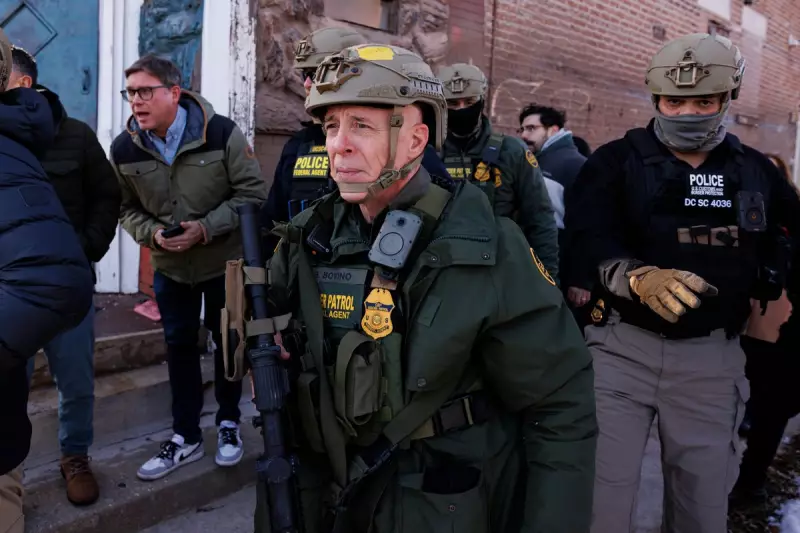
The prosecution's case centred on Snapchat messages allegedly sent by Espinoza Martinez to his brother and a friend, who was later revealed to be a long-term government informant. One message reportedly stated, "10k if u take him down," accompanied by an image of Gregory Bovino, a Border Patrol official known for leading aggressive immigration crackdowns nationwide, including in the Chicago region.
Government Response and Broader Implications
Following the jury's verdict, which was reached after less than four hours of deliberation, the Department of Homeland Security publicly dismissed the outcome. Tricia McLaughlin, Assistant Secretary at DHS, asserted in an official statement: "This verdict does not change the facts: Espinoza targeted federal law enforcement with violence via Snapchat."
This case has intensified scepticism regarding the narratives promoted by the Trump administration concerning immigration enforcement operations. Of approximately 30 criminal cases originating from Operation Midway Blitz in the Chicago area, nearly half have been either dismissed or dropped by prosecutors.
The situation underscores the complex interplay between criminal justice and immigration systems, raising critical questions about due process and the treatment of individuals following acquittals in high-profile cases.