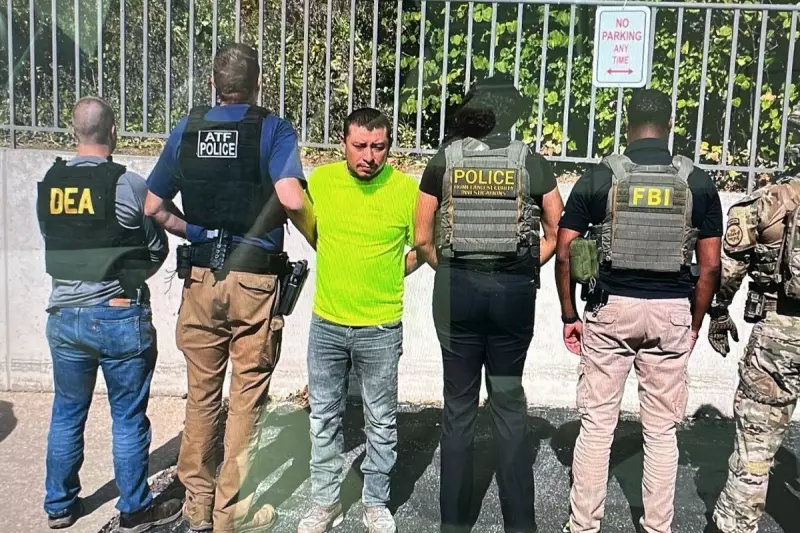
In a dramatic legal development that highlights the complex intersection of criminal justice and immigration enforcement, a Chicago carpenter has been cleared of serious criminal allegations only to face immediate detention and potential removal from the United States.
Acquittal Followed by Swift Immigration Action
Juan Espinoza Martinez, a married father of three who has lived in Chicago for years, was formally acquitted last week of murder-for-hire charges that had been brought against him by federal prosecutors. The case centred on allegations that he had offered a $10,000 bounty via Snapchat messages targeting a Border Patrol commander, accusations his defence team vehemently contested as a politically motivated prosecution.
Court Dismisses Prosecution Claims
During the trial, prosecutors made several inflammatory claims about Espinoza Martinez, labelling him both a "criminal illegal alien" and a high-ranking member of the Latin Kings street organisation. However, the court largely dismissed these characterisations due to what was described as a significant lack of concrete evidence supporting the allegations.

His defence attorneys successfully argued that the prosecution's case relied more on rhetoric than substance, with the jury ultimately demanding to see real, tangible evidence of criminal wrongdoing. This demand went largely unmet, leading to the acquittal on all criminal charges related to the alleged bounty plot.
Immediate Transfer to Immigration Custody
Despite his courtroom victory, Espinoza Martinez's freedom proved to be short-lived. Immediately following the jury's verdict, immigration authorities took him into custody, initiating removal proceedings that could result in his deportation from the country he has called home since childhood.
DACA Status Complicates Situation
The case takes on additional complexity due to Espinoza Martinez's immigration status. He was previously a recipient of the Deferred Action for Childhood Arrivals (DACA) programme, an Obama-era initiative that provides temporary protection from deportation and work authorisation for certain undocumented immigrants who arrived in the United States as children.
However, according to his legal representatives, financial hardship prevented him from successfully reapplying for DACA protection, leaving him vulnerable to immigration enforcement actions despite his long-standing ties to the Chicago community.
Contrasting Official Responses
The Department of Homeland Security issued a statement dismissing the significance of the jury's acquittal, asserting that Espinoza Martinez had "targeted federal law enforcement with violence" and that immigration proceedings would continue regardless of the criminal court outcome.
This position stands in stark contrast to the perspective of defence attorneys, who highlighted the jury's clear rejection of the prosecution's case and emphasised the fundamental principle that acquittal in criminal court should carry weight in related administrative proceedings.
Broader Implications for Immigration Policy
The case has drawn attention from immigration advocates and policymakers, with Illinois Governor JB Pritzker publicly condemning what he described as an "aggressive immigration raid" in Chicago following the acquittal. The situation raises important questions about the relationship between criminal justice outcomes and parallel immigration enforcement actions.
Legal observers note that cases like Espinoza Martinez's illustrate how individuals can be cleared of criminal allegations yet still face severe immigration consequences, creating what some describe as a "double jeopardy" scenario within different branches of the legal system.
As the deportation proceedings advance, Espinoza Martinez's legal team continues to fight for his release and right to remain in the United States, arguing that his acquittal, family ties, and community contributions should be central considerations in any immigration determination.