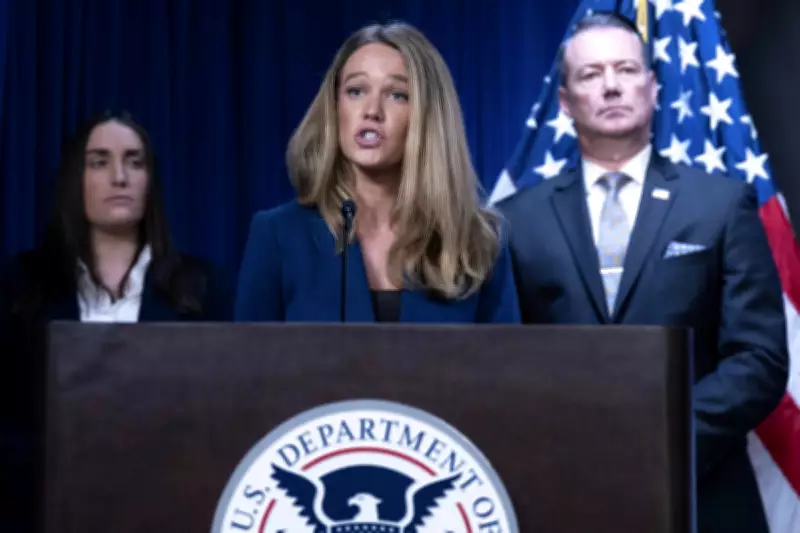
Tricia McLaughlin, a prominent spokeswoman for the Department of Homeland Security, is expected to depart from her role within the administration next week. Her exit follows a period of intense scrutiny and growing public outrage over a violent incident involving federal immigration officers in Minnesota, where agents fatally shot two individuals during enforcement operations.
Defending Mass Deportation Efforts
McLaughlin has been a central figure in defending the administration's aggressive mass deportation initiatives, which have aimed to arrest and remove thousands of people from the country. Her staunch support for these policies has drawn significant criticism from political opponents and advocacy groups, who argue that the measures are overly harsh and lack transparency.
Delayed Departure Amid Crisis
Initially, McLaughlin had planned to leave her position in December, but she postponed her exit to provide support to the administration in the aftermath of the Minnesota killings. This decision highlights her commitment to the department during a time of crisis, even as public support for the administration's sweeping immigration enforcement efforts has been declining.
The incident in Minnesota, which involved a surge of immigration officers leading to fatal shootings, has intensified debates over border security and deportation practices. McLaughlin's role as a spokesperson placed her at the forefront of these contentious discussions, often having to justify the administration's actions to the media and the public.
Impact on Administration's Immigration Strategy
Her departure comes at a critical juncture for the Department of Homeland Security, as it continues to face challenges in implementing its immigration policies. The administration's efforts to arrest and deport thousands have been met with legal battles, protests, and diminishing approval ratings, making McLaughlin's exit a notable development in the ongoing political landscape.
As the administration navigates these complexities, the loss of a key spokeswoman like McLaughlin could signal shifts in how it communicates its immigration strategy moving forward. Her tenure was marked by a firm defense of deportation campaigns, and her absence may lead to changes in public messaging or policy approaches amid ongoing controversies.