DOJ Seeks to Turbocharge Deportations by Dismissing Immigration Court Appeals
The Trump administration is pushing forward with a controversial proposal to streamline deportations by dramatically curtailing the appeals process for immigrants facing removal from the United States. A new rule change from the Department of Justice would compel the Board of Immigration Appeals to dismiss the vast majority of cases that come before it, unless a majority of the board explicitly agrees to hear them.
Under the proposed regulations, summary dismissal would become the default judgment in most instances, effectively eliminating a critical legal pathway for tens of thousands of individuals fighting to remain in the country. The Justice Department has openly questioned whether the Board can even function effectively as a court, citing an overwhelming backlog that has ballooned from approximately 37,000 pending appeals in 2005 to more than 202,000 in 2025.
A Sledgehammer to Due Process
Immigration advocates have condemned the plan as a direct assault on due process. Aaron Reichlin-Melnick, a senior fellow with the American Immigration Council, described the proposal as taking a sledgehammer to fundamental legal protections. He asserted that the clear objective is to prioritise mass deportations over the fair administration of justice.
The rule change is scheduled to take effect within 30 days, barring any successful legal challenges that could block its implementation. This move is part of a broader, radical overhaul of the nation's immigration court system under the Trump administration, which operates under the direction of Attorney General Pam Bondi within the Justice Department, unlike independent federal district courts.
Overwhelmed Courts and Strategic Shifts
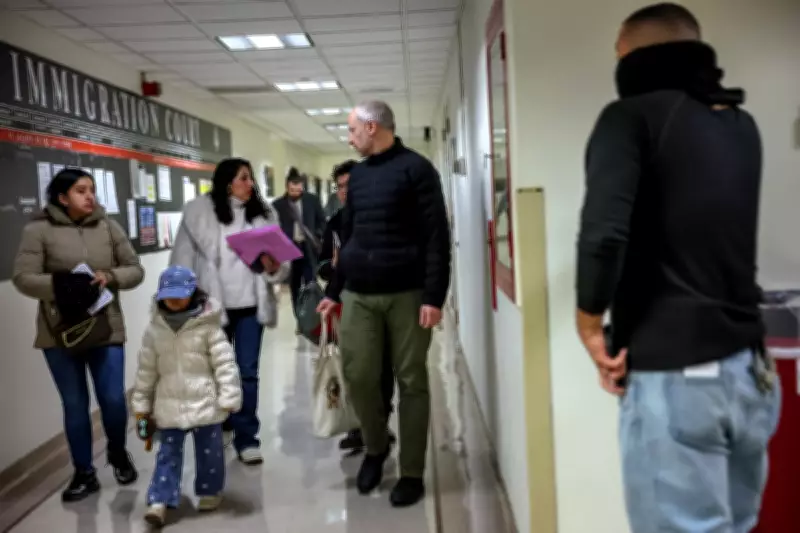
There are currently an estimated 3.5 million pending cases across the country's 74 immigration courts. Last year, the Justice Department instructed the roughly 600 immigration judges to dismiss a majority of the cases before them, rendering immigrants immediately susceptible to arrest and expedited removal with mandatory detention. This policy has led to scenes of federal agents patrolling courthouse hallways and apprehending individuals immediately after their hearings.
While decisions from immigration judges can be appealed to the Board, fewer than 10 percent have been appealed over the past two years. The Board, whose 19 members include 12 appointed by Bondi, typically reviews cases based on records rather than holding hearings. The Trump administration has also moved to reduce the Board's size to just 15 members.
Legal Challenges and Detention Dilemmas
Last year, the administration issued a memo designating virtually all individuals in the country without legal permission as subject to mandatory arrest and detention, sparking a flood of legal challenges. Immigrants and their attorneys are increasingly turning to the federal court system to allege constitutional rights violations, further burdening courts nationwide.
In December, a federal judge struck down the administration's policy of denying bond hearings to detained immigrants, though a top immigration court judge later told colleagues they were not bound by that ruling. Approximately 70,000 people are held in immigration detention centres at any given time, with over 70 percent having no criminal convictions, making them more likely to succeed in bond hearings.
Facing insufficient detention space and protracted court battles, the administration has attempted to incentivise voluntary departures, or self-deportations, with cash offers ranging from $3,000 to $5,000. These latest developments follow the firing or forced departure of more than 100 immigration judges since President Trump took office, including over a dozen in the final weeks of 2025 alone, signalling a sustained effort to reshape immigration enforcement.