Expert Analysis: El Mencho's Death Sparks Cartel Violence and Security Concerns
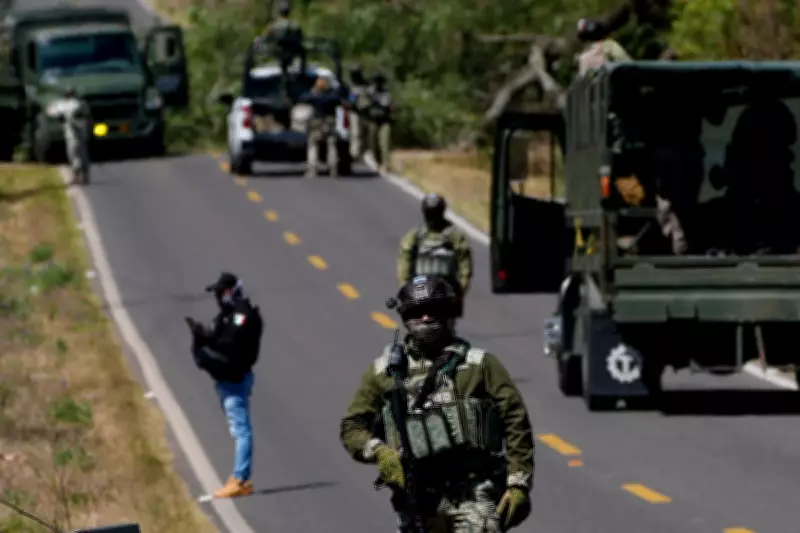
The operation to capture Nemesio Oseguera Cervantes, known as 'El Mencho', has unleashed a violent backlash across Mexico, resulting in at least 73 deaths and widespread disruption. As the head of the Jalisco New Generation Cartel, El Mencho was seriously wounded during a firefight with authorities on February 22, 2026, and later died in custody. This event has paralyzed cities through blockades and attacks on property and security forces, highlighting the immediate consequences of targeting high-profile cartel leaders.
Who Was El Mencho and His Criminal Empire?
Nemesio Oseguera Cervantes began his criminal career at the bottom, spending time in U.S. prison where he may have forged alliances with gangs before deportation in 1997. Upon returning to Mexico, he connected with the Milenio Cartel, which initially allied with then fought against the powerful Sinaloa Cartel. The Jalisco New Generation Cartel formed under his leadership around 2010, following the killing of Sinaloa Cartel leader Ignacio "Nacho" Coronel Villarreal.
Since 2015, the cartel has been notorious for blatant attacks against Mexican security forces, including gunning down a helicopter that year. It has expanded its presence across all Mexican states, with direct operations in some areas and alliances with other trafficking organizations in others. Beyond drug trafficking, the cartel engages in oil theft, people smuggling, and extortion, making it one of Mexico's most powerful criminal enterprises.
Immediate Aftermath and Long-Term Implications
The violent response to El Mencho's death mirrors previous incidents, such as the captures of drug lord Ovidio Guzmán López in 2019 and 2023. In the short term, retaliation includes attacks on security forces and civilians, along with blockades aimed at asserting regional authority. This flashy violence serves as both revenge and a demonstration of continued power despite leadership loss.
Longer-term violence stems from succession struggles within the cartel and rival groups exploiting leadership vacuums. The level and duration depend on factors like succession plans and existing alliances, but such operations typically lead to increased violence and fragmentation of criminal groups. While capturing violent criminals like Oseguera Cervantes is necessary, it often fails to dismantle broader criminal networks or reduce their operational scale.
Mexico's Security Landscape and Strategic Concerns
The upsurge in violence occurs amid mixed security indicators. While homicide rates declined in 2025, disappearances remain unsettlingly high. Criminal organizations maintain power through "criminal governance," regulating community life with varying degrees of coercion and legitimacy. In states like Sinaloa, illicit economies remain profitable despite leadership takedowns, and populations continue to live in fear.
Mexico's current strategy under President Claudia Sheinbaum emphasizes high-profile captures, partly due to U.S. pressure for militarized policies. Historically, both U.S. and Mexican approaches have focused on such operations for short-term gains, as announcing a drug lord's capture is politically easier than addressing systemic corruption or impunity. These actions rarely lead to broader justice, such as investigating disappearances or halting drug flows.
Ultimately, while removing cartel leaders serves a strategic purpose by showing action, its long-term effectiveness is limited. Without dismantling criminal networks and focusing on justice, crimes like homicides, disappearances, and extortion will persist, minimally affecting illicit flows and continuing to impact daily life for Mexicans.