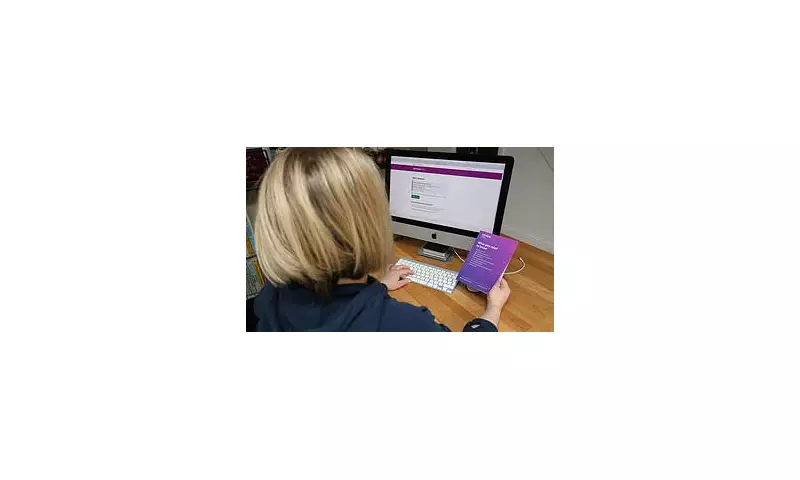
A leading think-tank has issued a stark call for an emergency census to be conducted next year, warning that unprecedented levels of mass immigration are placing severe strain on community relations and public resources.
The Case for a Mid-Decade Population Check
In a new report, the influential Policy Exchange argues that the government can no longer wait for the next scheduled national survey in 2031. The move is deemed essential to properly gauge the impact of the 3.9 million people who arrived to live in the UK in the three years to June 2024. The proposed census would be modelled on a similar mid-decade exercise held in 1966, which was initiated amid concerns over Commonwealth migration and internal population shifts.
The think-tank's blueprint involves a national sample covering 10 per cent of all households in late 2026, breaking the traditional ten-year cycle. Furthermore, it recommends establishing 'special study areas' in five specific locations identified as flashpoints due to immigration, rapid population growth, and a recent history of community tensions.
Five Towns in the Spotlight
The report singles out Preston, Middlesbrough, Leicester, Luton, and Bournemouth for intense scrutiny. It states that in these areas, a 'perceived competition for limited public resources' is actively undermining social cohesion and creating a potential risk to community stability.
Report author Dr Rakib Ehsan emphasised the urgency, stating: ‘As a result of massive population growth fuelled by unprecedented levels of immigration, there is an urgent need for an emergency 2026 census.’ He argued that fresh data is critical for planning for national crises like pandemics and, crucially, for identifying areas where religious and cultural segregation may be fostering extremist ideologies.
Cross-Party and Expert Backing for the Plan
The proposal has garnered significant support. Former Conservative Cabinet minister Nadhim Zahawi, who wrote a foreword to the report, stated that the case for the emergency count was 'inarguable'. He stressed that public concerns over migration's impact on services and national identity must be addressed with accurate, timely data.
In a notable cross-party endorsement, Labour peer Lord Glasman backed the report's findings 'in the interests of protecting critical infrastructure and identifying risks of civil unrest'. The report suggests the census should include detailed questions on denominational categories, such as distinguishing between Sunni and Shia Muslims, to better understand sectarian community dynamics.
The call for an emergency census is gaining momentum. A separate report last month by the Centre for Policy Studies reached a similar conclusion. Furthermore, in 2021, Oxford University's Professor Danny Dorling suggested a 2026 census would be necessary, fearing the 2021 survey was skewed by pandemic lockdowns.
The Policy Exchange report concludes that the emergency census should apply to England, with devolved administrations in Scotland, Wales, and Northern Ireland given the option to participate. The overarching message is clear: without an accurate, contemporary picture of a rapidly changing population, effective policymaking and the maintenance of social cohesion are being severely compromised.