In a significant and sudden operational shift, federal border agents are pulling out of a contentious immigration enforcement drive in Louisiana and redeploying to Minneapolis, according to documents obtained by The Associated Press.
The Abrupt Pivot from 'Catahoula Crunch'
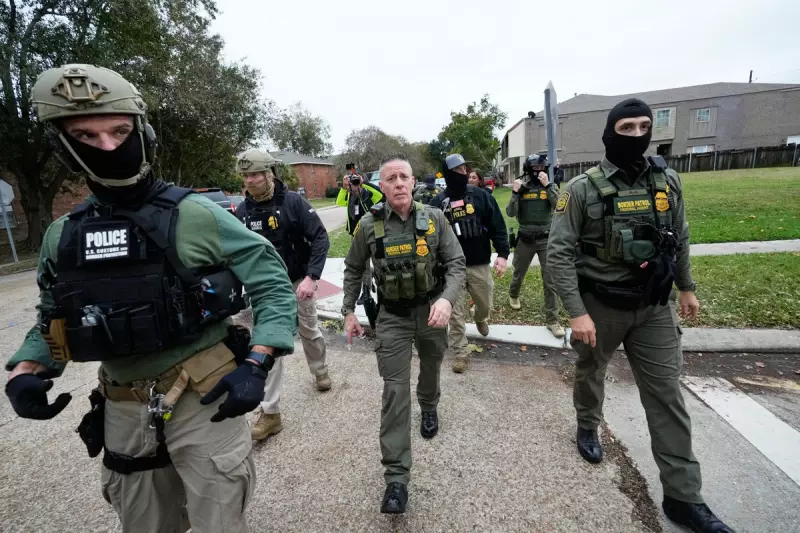
The move signals a winding down of the Louisiana deployment, known as "Catahoula Crunch," which began in December with the arrival of more than 200 officers. The operation, led by Border Patrol Commander Gregory Bovino, was initially expected to last into February and aimed to make thousands of arrests, sparking widespread fear within immigrant communities.
Documents indicate that federal officers stationed in Louisiana were continuing to depart for Minneapolis late this week. The Department of Homeland Security (DHS), when questioned, stated: "For the safety of our law enforcement, we do not disclose operational details while they are underway." This redeployment marks an abrupt end to an operation that had targeted the Hispanic enclave of Kenner near New Orleans, causing many immigrant-run businesses to close.
Scale of the Minneapolis Operation
The officers are being surged to Minnesota as part of what the DHS has called the biggest immigration enforcement operation ever. More than 2,000 federal officers are now involved in a sweeping new crackdown, linked in part to allegations of fraud involving Somali residents. The Trump administration's operation has already been met with demonstrations and public anger, particularly after an ICE officer fatally shot a woman on Wednesday.
Commander Gregory Bovino, who previously led aggressive operations in cities like Chicago and Los Angeles, has been seen in Minneapolis this past week, underscoring the shift in focus.
Impact and Reactions in Louisiana
The "Catahoula Crunch" began with an ambitious target of 5,000 arrests. However, by December 18, DHS figures showed it had resulted in only about 370 arrests. Documents reviewed by AP revealed that the majority of those arrested in the operation's first days lacked criminal records and that authorities monitored online criticism and protests against the deployment.
The crackdown drew a mixed political response in Louisiana. Republican Governor Jeff Landry welcomed the federal action. In contrast, New Orleans' Democratic leaders criticised the 5,000-arrest target as unrealistic and condemned videos showing agents, including masked individuals, chasing residents—one of whom was a U.S. citizen.
These local leaders have been more receptive to a separate National Guard deployment, which President Donald Trump authorised at Governor Landry's request to combat crime. Those troops arrived just before the New Year's Day anniversary of a deadly truck attack on Bourbon Street.
Associated Press writer Rebecca Santana contributed to this report from Minneapolis.