Grief Author Mom Found Guilty of Murdering Husband with Poisoned Cocktail
In a chilling courtroom scene in Park City, Utah, Kouri Richins hung her head as the word "guilty" echoed through the chamber. The 35-year-old real estate agent had just been convicted of murdering her husband Eric Richins by poisoning his Moscow Mule cocktail with a lethal dose of fentanyl in March 2022.
The Television Performance
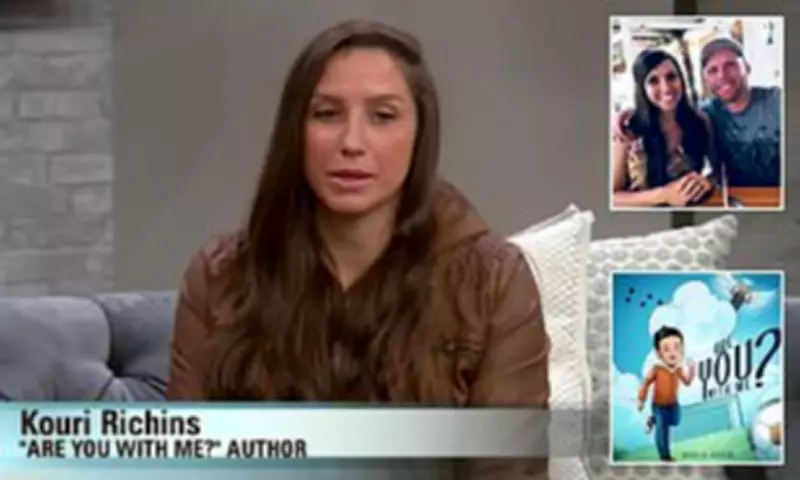
Sitting on the couch in the Good Things Utah studio just one year after her husband's death, Richins presented herself as a heartbroken widow struggling to help her three young sons process their unimaginable loss. With solemn eyes and measured breaths, she described how her 39-year-old husband's sudden passing "completely took us all by shock."
"My kids and I kind of wrote this book on the different emotions and grieving processes that we've experienced since last year," she told the hosts, promoting a children's book titled "Are You with Me?" that she claimed to have co-authored with her sons aged 10, nine, and six.

Richins offered advice about keeping a late parent's memory alive through what she called "the three Cs" - connection, continuity, and care. "It's explaining to my kids just because he's not present here with us physically, it doesn't mean his presence isn't here with us," she said during the emotional segment that ended with hosts praising her as "an amazing woman and mom."
The Reality Behind the Performance
Just one month after that television appearance in April 2023, Richins was arrested. The trial revealed that her grieving widow persona was an elaborate act covering a months-long murder plot motivated by financial desperation and an extramarital affair.
Prosecutors presented evidence showing Richins had reached out to the television station herself, requesting to appear on the show to promote her book. Jurors saw emails where she discussed bringing the book as a prop and outlined talking points about helping children deal with grief.
Contrary to her on-air claims, Richins hadn't written the book with her sons. Text messages revealed she had paid a ghostwriter to produce it, telling her brother she would make $5.35 for every copy sold on Amazon. She described the project as practice "to understand the book writing process to get ready for the big one!" - referring to a second book that never materialized.
The Murder Plot Unfolds
The prosecution painted Richins as a "black widow" motivated by her crumbling finances and secret relationship with handyman Robert Josh Grossmann. At the time of Eric's death, her real estate business was failing, and she owed approximately $7.5 million to more than twenty high-interest lenders.
Testimony revealed Richins had confided in friends about feeling "trapped" in her marriage, with one friend testifying she said "in many ways it would be better if [Eric] were dead." Text messages showed her dreaming of a future with Grossmann, discussing making him her new husband and planning Caribbean vacations.
The murder was part of an elaborate scheme to claim Eric's $4 million estate. Richins had fraudulently taken out life insurance policies on her husband and made at least one previous attempt to kill him by poisoning a sandwich on Valentine's Day 2022.
The Poisoning and Cover-Up
Housekeeper Carmen Lauber, the state's star witness, testified that she sold drugs to Richins four times around Eric's death, including providing the fentanyl used in the fatal poisoning. After the failed Valentine's Day attempt, Richins requested more powerful fentanyl - asking for "the Michael Jackson stuff."
Eric was found dead in the family home in Kamas, Utah, in the early hours of March 4, 2022. An autopsy revealed he had more than five times the lethal limit of fentanyl in his system.
Grossmann took the stand and broke down in tears describing a shocking conversation where Richins asked him what it felt like to kill someone just days after Eric's death. The lovers' text messages and Richins' internet searches - including "women Utah prison," "how to delete cell phone data," and questions about death certificates for poisoning victims - became central evidence despite her attempts to wipe her digital footprint.

The Psychological Profile
Behavioral experts explained why killers like Richins sometimes appear on television discussing their victims. Dr. Abbie Maroño, who trains federal agents in behavioral analysis, identified this as White Knight Syndrome.
"These people build their identity around being a protector or rescuer, and need to be seen as the good guy saving others," she explained. "That's the role they're playing on TV. They try to look like the grieving husband, or the desperate mother, because it makes them appear innocent and trustworthy."
Behavior analyst Scott Rouse added that such appearances represent attempts to control the narrative. "They want to convince people that they're not guilty. They want to come out and say 'look at me, I didn't do this, if I did why would I be standing here?'"
The Verdict and Aftermath
The jury deliberated for just three hours before finding Richins guilty on all five charges: aggravated murder, aggravated attempted murder, two counts of insurance fraud, and forgery. As the verdict was read, her performance finally slipped - she shook, gasped silently for air, and bowed her head, her horror at facing life behind bars contrasting sharply with her composed television appearance.
Richins now joins a disturbing list of killers who gave media interviews about their victims, including Susan Smith, Chris Watts, and Scott Peterson. Her sentencing is scheduled for May 13 - what would have been her murdered husband's 44th birthday.
The case leaves her three sons, now aged approximately 12, 11, and 8, to grow up without either parent, their mother's book about processing grief becoming an ironic testament to the deception that shattered their family.