Trump Administration's Systematic Undermining of Legal Immigrants in the US
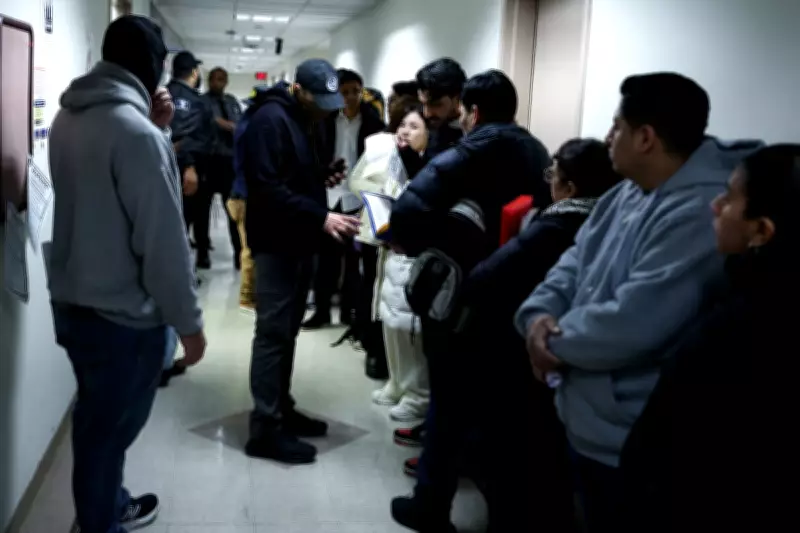
Masked federal agents were observed checking documents at the New York Federal Plaza immigration court on 5 March 2026, as individuals awaited hearings. This scene underscores the intensifying crackdown on immigrant communities under the Trump administration, which now extends beyond those violating immigration law to target many who are in the United States legally.
Over the past year, a series of policies—many currently contested in court—have aimed to strip people of their legal status, leaving countless suddenly undocumented or at risk of deportation. Ghita Schwarz, litigation director for the International Refugee Assistance Project, described this as a "great de-legalization campaign," rendering millions vulnerable to detention and removal despite their lawful presence.
Refugees Face Severe Restrictions
Historically, refugees underwent rigorous vetting abroad before resettlement in the US, with a pathway to green cards after one year. However, on his second administration's first day, Donald Trump signed an executive order suspending the refugee program, stranding thousands abroad and leaving others in limbo. The administration has set a cap of 7,500 refugees for 2026, a drastic reduction from the 100,000 under Biden, with a preference for white South Africans. Additionally, there is a concerning trend of arresting and indefinitely detaining refugees without green cards, putting an estimated 100,000 at risk.

Temporary Protected Status Revocations
Temporary Protected Status (TPS) has been revoked for about 1 million people from countries like Haiti, Venezuela, and Syria, placing them in deportation jeopardy. Blanca Hernández of the American Immigration Lawyers Association warned of the dangers these individuals face if returned to unstable homelands. Lawsuits are challenging these actions, but outcomes vary.
DACA Recipients Under Pressure
The Deferred Action for Childhood Arrivals program, protecting undocumented individuals who arrived as children, is under strain. With approximately 533,000 active recipients, increasing numbers are being arrested and deported. Former Homeland Security Secretary Kristi Noem reported that at least 260 DACA recipients were arrested last year, with 86 to 174 deported. Hernández, a former DACA recipient, highlighted the plight of those who have built lives in the US over a decade.
Asylum Seekers Denied Rights
Trump has barred access to the asylum system for new arrivals, leading to historic lows in border encounters despite asylum being a protected human right. Existing asylum seekers face arrest at routine check-ins, with families torn apart and deportations to third countries under agreements that may not guarantee safety. The use of "pretermission" allows quick removals without proper hearings, further undermining due process.
Other Vulnerable Groups Targeted
- Victims of Crime: Immigrants with U and T visas, intended for crime victims, are now subject to arrest and deportation under ICE policies, prompting legal challenges.
- Humanitarian Parole Programs: Programs for Ukrainians, Afghans, and others have been paused or terminated, stripping protections from over 1.5 million people.
- Student and Work Visa Holders: High-profile activists have been targeted, and workplace raids, like one at a Hyundai plant in Georgia, have led to diplomatic disputes. Fees for H-1B visas have skyrocketed to $100,000, making legal immigration more difficult.
Overall, the Trump administration's policies represent a broad assault on legal immigration, affecting diverse groups and raising significant humanitarian and legal concerns.