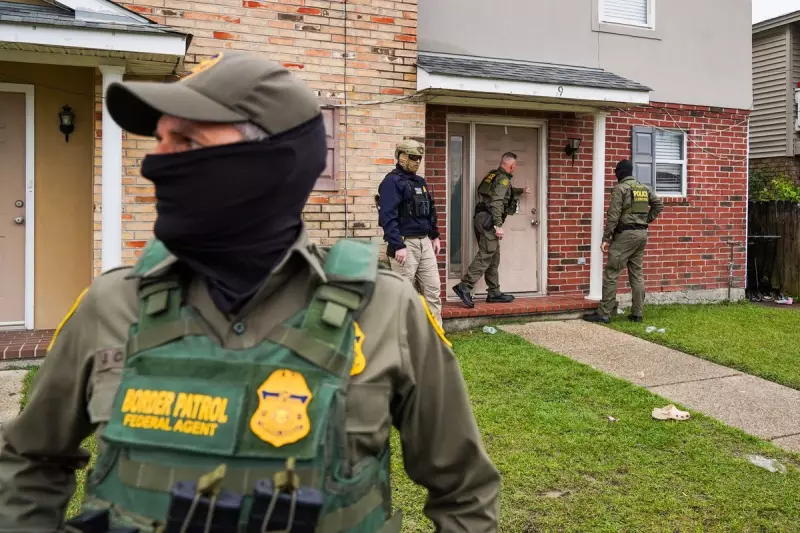
The administration of former President Donald Trump has announced a significant escalation in federal law enforcement presence in the state of Minnesota. This decision comes in the wake of the fatal shooting of a woman by an Immigration and Customs Enforcement (ICE) officer and the large-scale protests that have erupted across the United States.
Deployment Follows Fatal Shooting and National Protests
The catalyst for this move was the death of Renee Good, who was shot and killed by an ICE officer. The incident sparked immediate and sustained anti-ICE protests, not only in Minneapolis but in numerous cities nationwide. In response, the Trump administration confirmed it is sending "hundreds" of additional federal agents to Minnesota.
Homeland Security Secretary Kristi Noem outlined the rationale behind the deployment. She stated that the primary objective is to provide protection for existing ICE and Border Patrol personnel as they conduct immigration enforcement operations and raids. The administration frames the move as a necessary measure for officer safety amid heightened tensions.
Local Backlash and Investigation Concerns
The federal decision has been met with fierce opposition from local leadership in Minneapolis. Mayor Jacob Frey has been vocal in his condemnation, demanding that ICE leave the city entirely. He accuses the federal presence of deliberately inflaming an already volatile situation, rather than calming it.
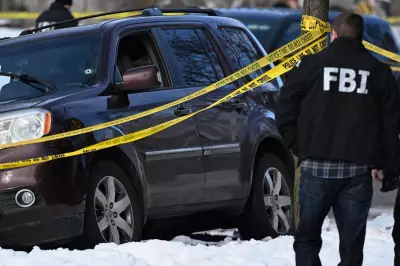
Complicating the matter further is the ongoing investigation into Good's death. While the FBI has opened an inquiry, local officials have expressed deep scepticism about its independence and reliability. Their concerns were amplified after the Trump administration publicly labelled Renee Good a "domestic terrorist" in the aftermath of the shooting. Furthermore, the decision to exclude local law enforcement from the investigative process has raised additional red flags about transparency and potential bias.
A Deepening National Divide on Immigration Enforcement
This deployment, dated for Sunday 11 January 2026, underscores the profound and ongoing national conflict over immigration policy and the role of federal agencies like ICE. It represents a stark example of the friction between federal authority and local governance, a theme that has defined much of the recent political landscape.
The situation in Minnesota continues to develop, with protests persisting and the new contingent of federal agents poised to begin operations. The coming days will test whether this show of force quells unrest or, as Mayor Frey fears, leads to a further escalation in tensions between protesters, local communities, and federal authorities.