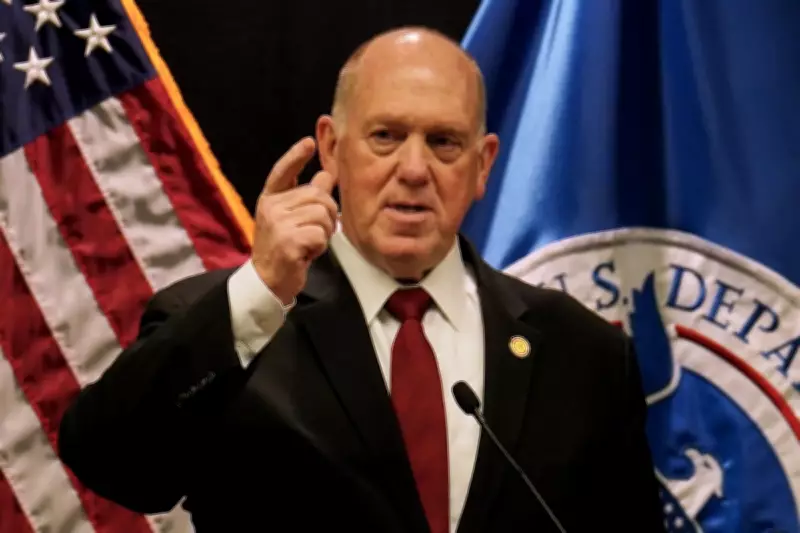
In a controversial move amid a federal government shutdown, President Donald Trump's border czar, Tom Homan, has announced the deployment of Immigration and Customs Enforcement (ICE) agents to airports across the United States. This decision aims to address escalating travel disruptions caused by severe staff shortages within the Transportation Security Administration (TSA), as unpaid agents threaten to halt operations entirely.
Security Concerns and Training Issues
Trump initially framed the deployment as providing unprecedented security, with a focus on arresting undocumented immigrants rather than directly alleviating TSA-related delays. However, experts and a federal law enforcement veteran have raised significant doubts about the effectiveness of this strategy. They argue that ICE agents are not trained for TSA-specific tasks, such as x-ray screening or conducting pat-downs, which could compromise airport safety and efficiency.
Political Opposition and Calls for Reform
Democratic leaders, including Hakeem Jeffries, have voiced strong opposition to the deployment, warning that untrained ICE agents could pose risks to public safety. They are also pushing for broader reforms to ICE operations, linking these demands to ongoing negotiations to end the shutdown. The acting director of the TSA has issued a stark warning, stating that continued staff shortages could force airport closures, exacerbating travel chaos for millions of Americans.

Homan's Defense and Broader Implications
Despite the backlash, Homan insists that ICE has a well thought out plan for the airport deployment, though details remain scarce. Airlines have urged Congress to resolve the shutdown swiftly, highlighting the critical need for paid TSA agents to maintain operational stability. This situation underscores the broader tensions between immigration enforcement and public security, as policymakers grapple with the shutdown's impact on national infrastructure and travel systems.