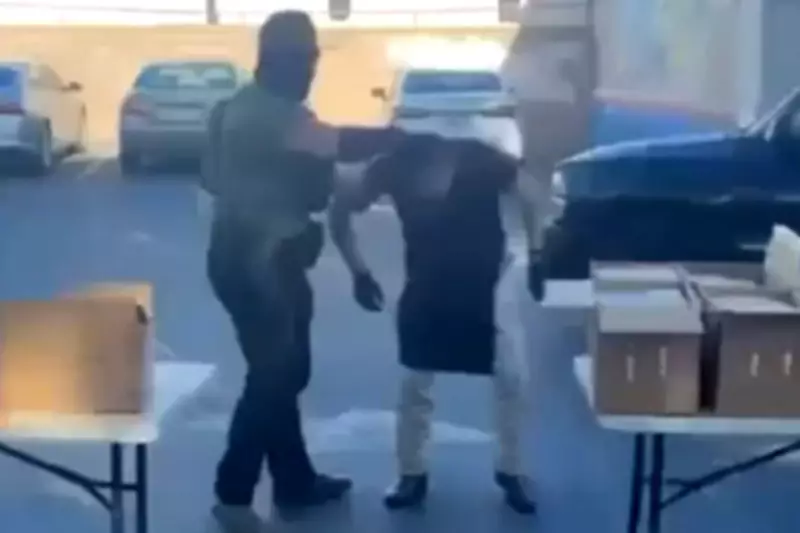
Federal immigration agents have reportedly stormed the grounds of a Los Angeles church during a food ministry operation, leading to the arrest of a volunteer and causing significant distress among attendees. The incident, which occurred on January 29, has sparked controversy over the conduct of enforcement operations in sensitive community settings.
Church Describes "Terror" and "Desecration" During Raid
According to church officials, agents from Immigration and Customs Enforcement (ICE) entered the North Hills United Methodist Church grounds in Los Angeles while a food drive was underway. Witnesses reported that some agents were masked and carrying weapons, forcing their way onto the property despite requests from church staff to refrain from entering. The intrusion disrupted not only the food ministry but also other church activities, with officials describing the event as causing "terror" and a "desecration" of their sacred space.
Arrest and Deportation of Community Volunteer
During the incident, a community member named Carlos Chavez was arrested by the agents. Homeland Security spokesperson Tricia McLaughlin later clarified that the operation was not specifically targeting the church but was part of a broader "immigration enforcement operation in the area." She stated that Chavez was arrested after he allegedly ran from law enforcement during the encounter.
Chavez, identified by authorities as an "illegal alien from Mexico" who had been previously removed from the United States in 2016, has since been deported back to Mexico. This was confirmed by both his wife and Homeland Security officials, highlighting the swift outcome of the enforcement action.
Community Reaction and Broader Implications
The raid has raised serious concerns among local residents and advocacy groups about the methods used by immigration authorities, particularly in places of worship that serve as sanctuaries for vulnerable communities. Church leaders have expressed outrage over what they perceive as an unnecessary and aggressive intrusion into their humanitarian efforts, arguing that such actions undermine trust and safety in immigrant communities.
This event underscores ongoing tensions between federal immigration policies and local community initiatives, with many calling for greater transparency and restraint in enforcement operations to prevent similar disruptions in the future.