The US government has introduced a new restriction on visits to Immigration and Customs Enforcement (ICE) facilities, a move that came just one day after an agent fatally shot 37-year-old mother-of-three Renee Good in Minneapolis. The policy, which mandates lawmakers provide a week's notice before visiting detention centres, was revealed publicly days after the controversial killing.
Shooting Sparks Public Outcry and Private Policy Change
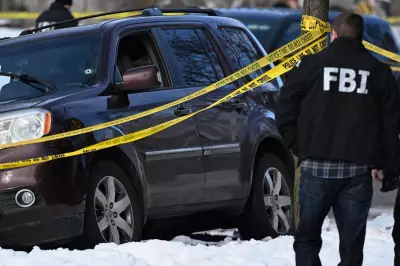
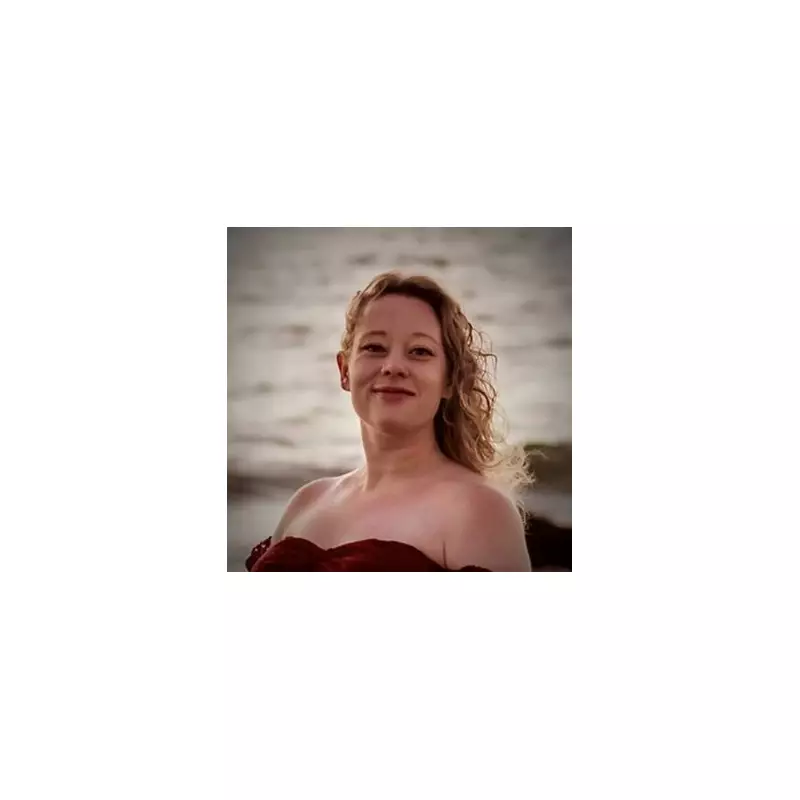
Renee Good was shot three times in the head by ICE agent Jonathan Ross on Wednesday, 7 January 2026, after a confrontation during which she attempted to drive away. Horrifying bodycam footage of the incident sparked widespread condemnation across the United States and internationally.
In the aftermath, the Trump administration publicly defended the officer's actions, with former President Donald Trump labelling Ms Good a "domestic terrorist" and calling the incident a "tragedy of her own making." However, while this public narrative unfolded, a significant administrative change was being enacted behind the scenes.
The "Seven-Day Notice" Rule Quietly Implemented
On Thursday, 8 January – just hours after the shooting – Homeland Security Secretary Kristi Noem introduced a new measure. The policy requires members of Congress to seek permission at least seven days in advance of any planned visit to an ICE facility, effectively banning last-minute or drop-in inspections.
Although the change was implemented on Thursday, it was not revealed to the public until Saturday, 10 January, according to a report by Politico. The restriction came to light only after three Democratic representatives from the House of Representatives – Ilhan Omar, Angie Craig, and Kelly Morrison – were denied access to an ICE detention centre in Minnesota.
Congressional Visit Denied Under New Rule
The three lawmakers said they were unaware of the new seven-day notice requirement when they attempted their visit. Following the rebuff, Representative Ilhan Omar took to social media platform X, stating, "The public deserves to know what is taking place in ICE facilities."
A spokesperson for the Department of Homeland Security offered a different account to Politico, accusing the representatives of leading protesters to the centre "with the explicit goal of 'hunting down' ICE officers." The spokesperson asserted the denial was for safety and compliance, citing the new mandate for advance notification.
This policy shift occurs against a backdrop of intense scrutiny over the shooting of Renee Good. Newly released bodycam footage from Agent Ross has complicated initial claims by Trump and allies that Ms Good tried to run over the officer. The video instead shows her calmly telling the officer, "That's fine, dude. I'm not mad at you," before she was shot. Ross was heard calling her a profanity after firing the fatal shots.
The rapid implementation of the visitation restriction so soon after the deadly encounter has led critics to argue the administration is more focused on shielding ICE from oversight than ensuring accountability and transparency in its operations.