ICE Faces Allegations of Family Separation and Medical Neglect in Deportations
A damning new report from the Women’s Refugee Commission and Physicians for Human Rights has exposed Immigration and Customs Enforcement (ICE) for allegedly separating families and denying critical medical care to pregnant deportees. The findings, based on interviews with recently deported parents in Honduras, suggest systemic failures in adhering to established policies.
Parents Forcibly Separated from Children Without Warning
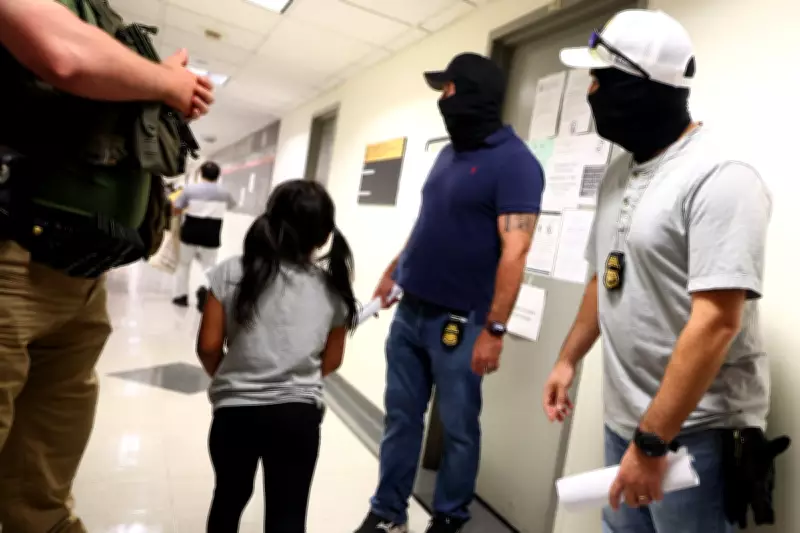
According to the report, ICE officers frequently arrest and deport immigrant parents without inquiring about their children, contrary to agency guidelines designed to protect family unity. More than half of the parents interviewed stated that ICE never asked about their children at any stage of arrest, detention, or removal. One 22-year-old woman, five months pregnant, was deported to Honduras without being able to inform officials about her two-year-old daughter left behind. "They didn't ask me anything," she recounted. "They didn't talk to me, only to yell at me, to humiliate."
Another 27-year-old woman arrested at a traffic light reported that officers never asked about her children, including whether her 11-year-old son could accompany her upon deportation. Zain Lakhani, director of migrant rights and justice for the Women’s Refugee Commission, described the human cost as "devastating," with children abruptly abandoned and parents scrambling to arrange care.

Policy Changes Under Trump Administration Exacerbate Crisis
The Trump administration revised Biden-era guidelines last summer, altering how ICE handles families. Previously, deported parents could decide if their children joined them; now, ICE only supports such arrangements if "operationally feasible." However, the report emphasizes that ICE is still required to ask about children and allow parents to decide their fate, even if facilitation isn't mandated. Advocates argue that the administration is using threats of family separation to pressure immigrants into dropping cases and leaving voluntarily.
Interviews revealed harrowing stories: a father arrested while leaving his house tried to inform agents his three-year-old daughter was inside with a babysitter, but was beaten and silenced. His daughter remained with the babysitter for 11 days. A mother of four, whose husband was also deported, saw her children left alone until their grandmother could travel interstate to retrieve them.
Medical Neglect Endangers Pregnant and Postpartum Women
The report highlights severe medical neglect, particularly for pregnant and postpartum women. Researchers encountered three visibly pregnant women and four with infants under one year old, all separated from their babies. One 25-year-old, approximately 13 weeks pregnant, began bleeding after arrest but received no medical attention from ICE and was deported while actively bleeding, requiring emergency hospital care in Honduras.
In another case, a 40-year-old woman was deported without care for almost two weeks after a missed miscarriage, risking life-threatening complications. She was hospitalized immediately upon arrival. Many women arrived in "acute emotional distress," with no contact with their children for days or weeks. Medical workers in Honduras noted a lack of clinical records, hindering proper care.
ICE and DHS Defend Practices Amid Mounting Criticism
A spokesperson from Homeland Security defended ICE's practices, stating that pregnancy in detention is "exceedingly rare" and that pregnant women receive "regular prenatal visits, mental health services, nutritional support, and accommodations aligned with community standards of care." DHS has repeatedly claimed that the care provided is "the best healthcare many of these individuals have received in their entire lives," including pregnancy testing, prenatal care, and postpartum follow-up.
However, Dr. Michele Heisler, medical director at Physicians for Human Rights, condemned the actions, calling it "unconscionable that the U.S. government is inflicting these abuses once again on families, even after the well-documented harms caused by separations under the first Trump administration's 'zero tolerance' policy." The report underscores ongoing humanitarian concerns as ICE continues to arrest growing numbers of immigrant families.