Experts Caution It's 'Too Soon' to Gauge Iran War Impact on UK Small Boat Crossings
Leading migration specialists from the University of Oxford have emphasised that it remains too early to predict whether the escalating conflict in Iran will influence the number of individuals attempting to cross the English Channel in small boats. This assessment comes despite Iran consistently being the most common country of origin for asylum applicants arriving via this perilous route in recent years.
Unpredictable Asylum Trends Amid Middle East Turmoil
Dr Madeleine Sumption, Director of the Migration Observatory at Oxford University, highlighted the inherent uncertainty surrounding how the latest unrest might shape future asylum trends. The Middle East war intensified dramatically this week, marked by a series of US airstrikes targeting Iran, while Tehran retaliated with strikes against Israel and critical oil and natural gas infrastructure in Gulf states.
US President Donald Trump has fuelled concerns of further escalation, telling CNN that a "big" wave of airstrikes on Iran is still anticipated. In response to these developments, Dr Sumption told the Press Association: "It's too soon to know how the conflict in Iran will affect the number of people fleeing."
She elaborated on potential scenarios, noting: "If there is another violent crackdown, this could push more people to leave. Conversely, a change in regime might make some who feared the previous government feel safer, but new instability and conflicts could emerge as different groups wrestle for power. This complexity renders the refugee situation highly unpredictable."
Iran's Significant Role in UK Asylum and Small Boat Statistics
While most Iranians leaving their homeland do not travel as far as the United Kingdom, it remains a major destination for those seeking refuge. Census figures from 2021/22 indicate approximately 114,000 Iranian-born individuals were residing in the UK at that time.
According to Migration Observatory data, Iran ranked as the third most common nationality among asylum seekers in 2024, following Pakistan and Afghanistan. Notably, around two-thirds of all initial decisions on the 8,100 Iranian asylum applications submitted that year were positive, granting Iranians a higher approval rate compared to many other top nationalities.
By 2024, an estimated 26,000 Iranians had arrived in the UK via small boat crossings, constituting 17% of all such arrivals. Dr Sumption added: "Given that Iran is one of the largest countries of origin for both asylum seekers and small boat arrivals in the UK, it would not be surprising if unrest there affected UK asylum trends. However, the precise nature and magnitude of any impact remain unclear at this stage."
Current Channel Crossing Context and Policy Developments
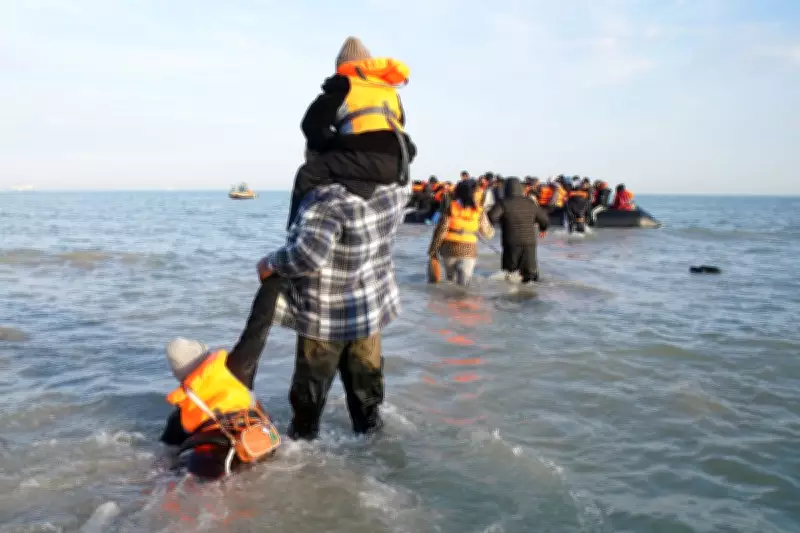
This analysis emerges against a backdrop of ongoing small boat activity. On Tuesday, migrants were photographed in Gravelines, France, preparing to board several small boats in an attempt to cross the Channel. So far this year, more than 2,200 migrants have arrived in the UK after making the dangerous journey.
In a related policy move earlier this week, Home Secretary Shabana Mahmood announced that individuals granted asylum in the UK will now have their refugee status reviewed every 30 months. This measure aims to make the country less attractive for illegal immigrants by expecting refugees from countries later deemed safe to return home.
The interplay between geopolitical events in the Middle East, UK asylum policies, and the decisions of potential migrants continues to create a fluid and challenging environment for forecasting migration patterns. Experts stress that continued monitoring and analysis are essential to understand the evolving dynamics.