Iranian Americans Divided Over War as Nowruz Brings Little Joy
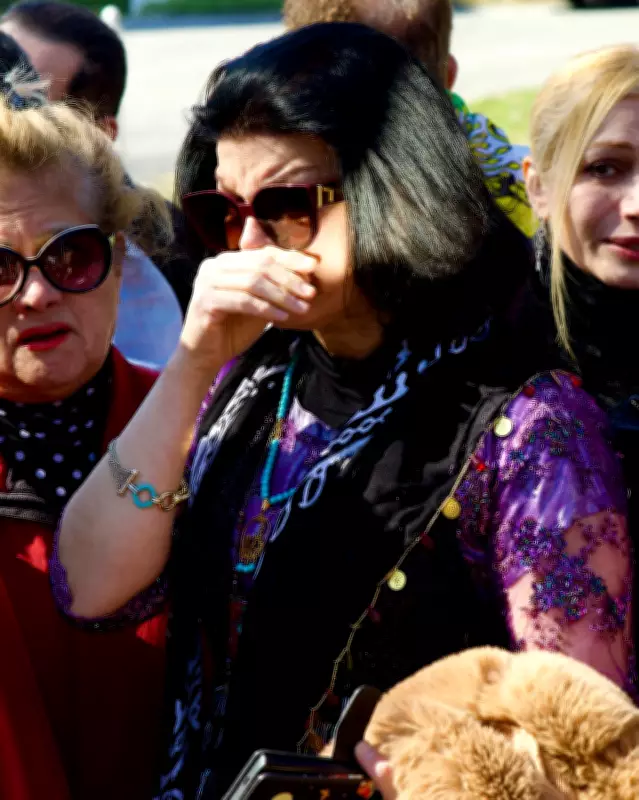
Iranian Americans gathered outside the former embassy of Iran in Washington DC on Friday to mark the Persian new year, Nowruz, but found little cause for celebration. The occasion coincided with the three-week mark of the war on their homeland, creating a somber atmosphere among the diaspora community.
From Hope to Despair
When Israeli and American missiles first struck Tehran and news emerged of Supreme Leader Ayatollah Ali Khamenei's death, some Iranian Americans experienced fleeting optimism. Nasser, a sixtysomething Iranian American father from Boston who travels regularly to Iran, described feeling "a flash of hope, or maybe vengeance" when Khamenei and his circle were targeted.
This sentiment resonated with many among the estimated 4 million Iranians in the North American diaspora who have rejected the Islamic Republic's governing doctrine of velayat-e-faqih. Many had recently held Khamenei directly responsible for the horrific bloodshed during January's mass protests, believing that decapitating the Islamic Republic's leadership might allow Iran to forge a different future.

However, after three weeks of all-out war resulting in thousands of Iranian deaths, damage to cultural heritage sites, and seemingly random missile attacks in cities, that initial hope has evaporated. "Now, I feel sick about it," Nasser confessed.
A Diaspora Divided
The Iranian diaspora is far from uniform, comprising waves of emigration following the Islamic revolution. Some left recently, while others can trace their heritage to Iran but maintain little connection to the land. Their political views vary significantly depending on when they left their homeland and their socioeconomic status.
Ali, an American-born fortysomething New Yorker, expressed anger at "ne'er-do-well royalists cheering the destruction of a country I might now never get to visit even the vestiges of." His "righteous anger" reflects the complex emotions many Iranian Americans feel about the conflict.
Friday's Nowruz celebration coincided with Eid-al-Fitr, marking the end of Ramadan, but Iranians in the diaspora, regardless of their politics, found themselves in no mood for celebration. The regime's brutal response to January's protests, resulting in thousands of deaths, shocked Iranians everywhere, and subsequent violence from Israeli and American bombs has further traumatized them.
Monarchist Voices and Painful Divisions
Feelings are less mixed among those actively seeking the return of the American-backed monarchy toppled in 1979. While impossible to quantify without credible polling, this vocal minority champions former crown prince Reza Pahlavi, who has declared himself "uniquely positioned" to lead the country. Notably, Pahlavi has offered condolences only to families of Americans killed in the war, not to Iranian victims' families.
The diaspora's painful divisiveness was highlighted recently when an anti-regime and anti-Pahlavi activist was allegedly murdered in Canada. Two diehard monarchists were arrested in connection with the killing, though they have not yet entered pleas.
Some Iranian Americans aren't necessarily Pahlavi supporters but would prefer him over the current regime. A ninetysomething father living between the US east coast, London, and Tehran asked, "Why not Reza?" When questioned about Pahlavi's support for Israel, which had just bombed and killed more than 1,000 Iranians, he responded, "So what? What has this regime's support of Russia or others done for us?"
Historical Context and Anti-Imperialist Sentiment
The first wave of Iranian emigrants arrived in Europe and the US immediately before or after the Islamic revolution. Subsequent waves included those escaping the Iran-Iraq war, students choosing to remain abroad, and secular Iranians tired of living in a theocratic state.
For many, opposition to the bombing stems not from love for the Iranian regime but from anti-imperialist sentiment rooted in the 1953 British-American coup that overthrew Prime Minister Mohammed Mossadegh. Iranian-Kiwi journalist Donna Miles wrote on social media: "Never forget that all this death and destruction is so the US can install a puppet leader in Iran and control its oil, just like they did in 1953."

Some have noted Donald Trump's declaration that he would have to approve Iran's next leader and his general fondness for other countries' resources, leading them to conclude the war isn't about bringing democracy to the people.
Fear Beyond Politics
For many Iranian Americans, fear and dread transcend political frameworks, stemming simply from the horror of destruction. Ali expressed despondency, asking, "What good can come of this? An Iran liberated into its own ruin?"
Nasser echoed these fears, predicting Iran will be "poorer, hungrier, and more frightened" and noting that "even dissidents warn that bombing is not the same thing as liberation."
The diaspora's disparate voices express complex, often conflicting feelings about what's happening to their country. While initial reactions to regime leaders' deaths included satisfaction or joy, these have given way as the war drags on, civilian deaths climb, and the conflict appears conducted without rhyme or reason.
Today, little actual joy exists among Iranians in the diaspora, even among those who dismiss warnings about the war's human cost. Some worry about regime collapse realities, others cannot abide cultural heritage site damage, and yet others fear a "victory" leaving the regime more oppressive than before. Within families and communities, these joyless individuals argue among themselves.
Fred, a retired Jewish Iranian American businessman who left Iran in 1980 and now lives in Los Angeles, summarized his feelings about the war: "You know, I'm not political nor do I really know English well, but sincerely, my heart burns for the innocent children and their mothers and fathers."