A federal judge has firmly declined to halt the ongoing surge in immigration enforcement operations across Minnesota and the Twin Cities metropolitan area, allowing the controversial actions to continue as a significant legal challenge makes its way through the courts.
Judge Denies Preliminary Injunction Request
Judge Katherine M. Menendez delivered her ruling on Saturday, rejecting a motion for a preliminary injunction that had been sought by Minnesota Attorney General Keith Ellison alongside the mayors of both Minneapolis and St. Paul. The lawsuit, which was filed earlier this month, contends that the Department of Homeland Security's intensified enforcement activities are infringing upon fundamental constitutional protections afforded to individuals.
Legal Arguments and Constitutional Concerns
The legal action specifically requested an immediate court order to either suspend the enforcement surge entirely or substantially restrict its operational scope. The plaintiffs argue that the current enforcement tactics overreach legal boundaries and violate established rights. In a pointed response, attorneys representing the U.S. Department of Justice have dismissed the lawsuit as "legally frivolous," setting the stage for a contentious legal battle over immigration policy and federal authority.
Tragic Incidents Amid Enforcement Operations
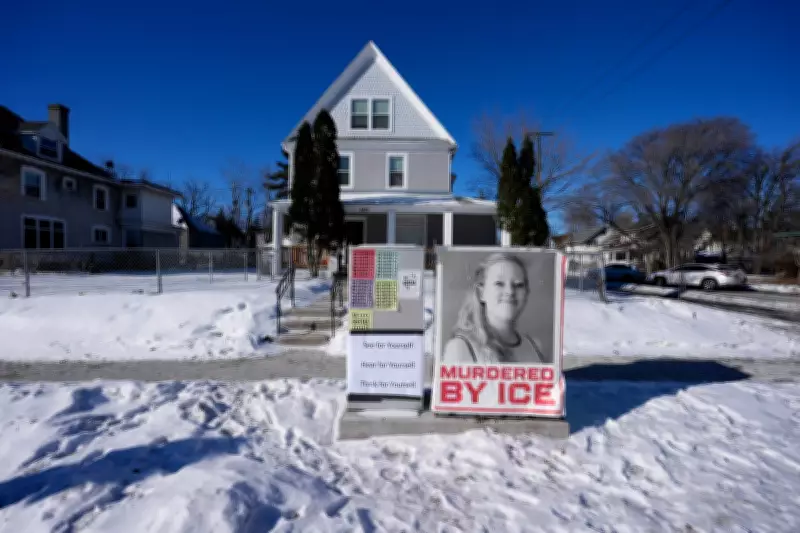
The context of this legal dispute has been dramatically underscored by two fatal incidents involving federal officers during the enforcement surge. On January 7th, Renee Good was fatally shot on the streets of Minneapolis, followed by the shooting death of Alex Pretti on January 24th. These tragic events have intensified public scrutiny and debate surrounding the methods and consequences of the increased immigration enforcement actions in the region.
With the preliminary injunction denied, the enforcement surge will proceed uninterrupted while the broader lawsuit continues its judicial review. This decision represents a significant moment in the ongoing national conversation about immigration enforcement, federal versus state authority, and the protection of constitutional rights in the United States.